Empowering Engineering Excellence: Innovate, Elevate, Deliver.
Why Choose a Hydraulic Oil Cooler for Your Equipment?
Hydraulic equipment works under demanding pressure, often in dusty yards, factories, and outdoor construction sites. Every cycle creates heat through friction, pressure losses, and restricted oil flow. Without effective cooling, hydraulic oil can thin, oxidize, and lose its protective properties. That damage may appear slowly. Then, a pump fails during a critical shift.
Dr. John Watton, a respected hydraulic systems author and educator, emphasizes a practical principle: “Temperature control is essential for reliable hydraulic system performance.” A Hydraulic Oil Cooler supports that principle by removing excess heat before it harms seals, valves, pumps, and actuators. It can help maintain stable oil viscosity, improve component life, and reduce unplanned maintenance. The result is not simply lower temperature. It is more predictable equipment behavior.
Still, a cooler is not a universal cure. Incorrect sizing can create unnecessary pressure loss or insufficient heat removal. A technician should check ambient temperature, oil flow, working pressure, duty cycle, and available airflow. For example, an excavator working beside a hot asphalt plant needs different cooling capacity than a warehouse lift truck. This detail is easy to overlook. I have seen equipment owners focus on cooler size while ignoring blocked fins, contaminated oil, or poor fan placement. That weakens the entire system. A careful inspection, accurate heat-load calculation, and regular cleaning provide a more reliable solution. Sometimes, the best choice is not the largest cooler, but the one properly matched to real operating conditions.
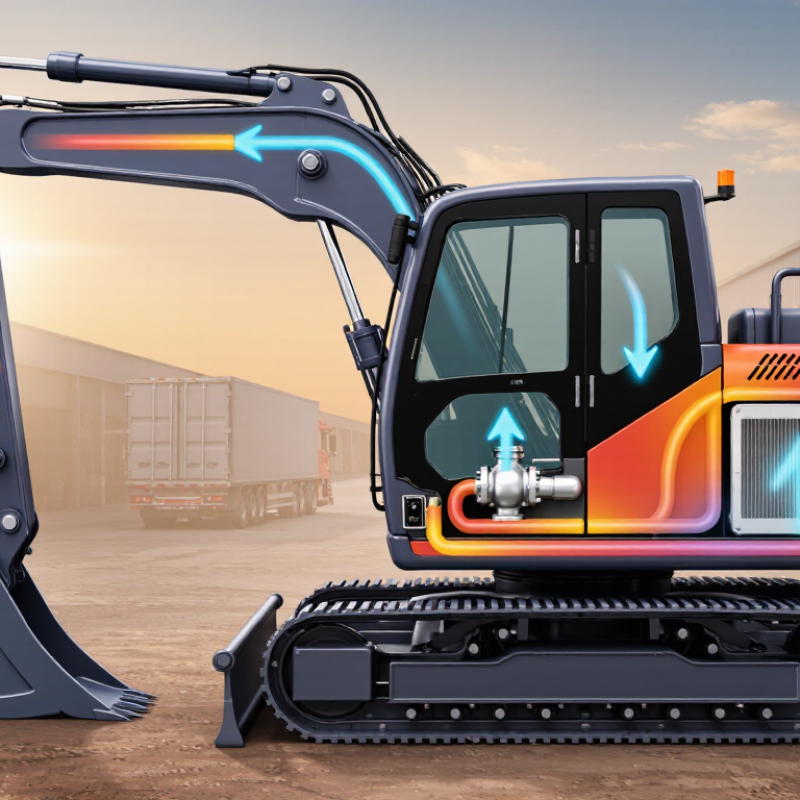
A hydraulic oil cooler is a heat exchanger. It removes heat from oil before that heat damages the system. A pump sends hot oil through cooling passages. Airflow or cooling water then carries heat away. A thermostat, bypass valve, or temperature sensor controls the process. The goal is stable viscosity, not simply colder oil.
Heat management also affects energy use. The International Energy Agency reported that industry consumed about 37% of global final energy in 2022. The U.S. Department of Energy states that motor-driven equipment can represent more than half of industrial electricity use. Hydraulic pumps, fans, and coolers therefore deserve careful sizing. A cooler can protect seals, reduce oxidation, and help maintain predictable actuator speed. Those benefits become visible beside a machine running under a dusty, 35°C workshop roof.
Real installations are less perfect. Undersized coolers still overheat during peak cycles. Oversized units may waste fan power or cool the oil excessively. Cold oil can increase resistance and slow response. I have seen temperature alarms blamed on the cooler, when clogged filters and poor airflow caused the problem. That mistake is common. Check oil flow, ambient temperature, duty cycle, cleanliness, and pressure drop together. The NFPA fluid-power guidance and ISO 4413 both support risk-based system design, but neither replaces field measurements. A thermometer at the reservoir can reveal more than a confident assumption.
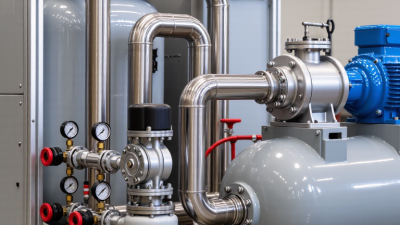
Hydraulic systems need effective oil temperature control because heat changes how every component behaves. As oil warms, viscosity drops, and leakage across pumps and valves can increase. Seals may harden, soften, or lose their shape. Oxidation also accelerates, leaving varnish inside narrow passages. A hydraulic oil cooler removes excess heat before performance becomes inconsistent. This matters on excavators, presses, lifts, and mobile equipment working through long cycles. Heat often starts quietly. Slower movement and rising noise may appear first.
In service work, temperature trends provide better evidence than one reading. Install sensors near the return line and compare readings during repeated workloads. Check ambient temperature, airflow, oil level, filter condition, and cooler cleanliness together. A cooler that performs well during a short test may struggle during an afternoon shift. A larger cooler is not automatically better. Excessive pressure drop can restrict flow and waste pump energy. Designers should calculate heat load and confirm the manufacturer’s recommended operating range.
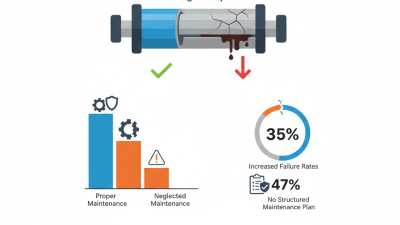
Maintenance details matter. Dust packed between cooler fins blocks airflow, while bent fins reduce cooling capacity. Oil contamination can hide a thermal problem until a valve begins sticking. Cleaning schedules should match the actual worksite, not an ideal calendar. A cooler is not a universal fix. Poor ventilation, incorrect oil, or overloaded circuits can create similar symptoms. That assumption deserves challenge. A practical installation leaves cleaning access, protects the core from impact, and uses gauges technicians can read safely during operation. Small oversights become expensive when heat stays invisible.
Why Choose a Hydraulic Oil Cooler for Your Equipment?
A hydraulic oil cooler controls heat before it damages expensive components. In daily operation, overheated oil becomes thinner and loses its protective film. This increases internal leakage across pumps, valves, and actuators. The National Fluid Power Association has repeatedly identified contamination and poor fluid control as major causes of hydraulic failures, with industry estimates often exceeding 70%. Heat accelerates that risk by oxidizing oil and forming varnish.
A cooler also helps maintain stable machine performance. Stable oil viscosity improves response, pressure control, and cycle consistency. That matters on excavators, presses, injection machines, and mobile lifting equipment. A 2023 report from the U.S. Energy Information Administration shows industrial facilities remain highly energy-intensive, making avoidable hydraulic losses worth examining. Better temperature control can reduce wasted power, although the actual saving depends on load, ambient temperature, and cooler sizing.
Small details matter. Keep the cooler fins clear of dust, fibers, and oily mud. Check oil temperature near the return line, not only at the reservoir. ISO 4406 cleanliness ratings can support more reliable fluid monitoring. The cooler is not a magic shield. A blocked filter, wrong oil, or undersized pump can still cause failure. In my experience, operators sometimes install cooling capacity first and inspect airflow later. That is backwards. A practical design should consider peak load, warm climates, fan performance, and cleaning access before installation.
| Performance Dimension | Operating Challenge Without Adequate Cooling | Benefit of a Hydraulic Oil Cooler | Practical Engineering Information |
|---|---|---|---|
| Oil Temperature Control | Continuous hydraulic operation can convert a significant portion of input power into heat, causing oil temperature to rise. | Removes excess heat and helps maintain a more stable operating temperature. | Many hydraulic systems are designed around an oil operating range of approximately 40–60 °C, but the equipment manufacturer’s specification should always take priority. |
| Oil Viscosity | As hydraulic oil becomes hotter, its viscosity decreases, which can increase internal leakage and reduce lubrication quality. | Maintains viscosity closer to the intended range for pumps, valves, motors, and cylinders. | Correct viscosity supports volumetric efficiency, component lubrication, and reliable flow control. The recommended oil grade depends on the system design and ambient conditions. |
| Component Service Life | Excessive heat accelerates wear, seal degradation, and fluid oxidation. | Reduces thermal stress on pumps, valves, seals, hoses, and actuators. | Lower and more stable oil temperatures generally reduce thermal aging, although actual service-life improvement depends on load, contamination, pressure, maintenance, and component quality. |
| Hydraulic Efficiency | Hot, low-viscosity oil can increase leakage and reduce the efficiency of hydraulic components. | Helps preserve pressure stability, flow performance, and energy efficiency during prolonged operation. | Cooling does not eliminate mechanical or volumetric losses; the result depends on pump condition, system pressure, oil viscosity, and circuit design. |
| Fluid Oxidation | High temperature speeds up oil oxidation, which can form sludge, varnish, acids, and other degradation products. | Slows thermal degradation and helps extend the useful condition of the hydraulic fluid. | A commonly cited rule of thumb is that oxidation can approximately double for each 10 °C increase above a reference temperature; this is an approximation, not a universal performance guarantee. |
| System Reliability | Thermal overload may contribute to alarms, unplanned shutdowns, pressure instability, and reduced machine availability. | Provides a dedicated method for managing heat during high-duty or continuous-duty cycles. | Cooler capacity should be selected from the estimated heat load, oil flow, inlet temperature, ambient temperature, and allowable pressure drop. |
| Heavy-Duty Operation | High pressure, high cycle frequency, restricted airflow, and warm ambient conditions can increase heat generation. | Supports longer operating periods under demanding working conditions. | Air-oil coolers suit applications with available airflow, while water-oil coolers may be appropriate where a dependable cooling-water supply is available. |
| Maintenance Planning | Overheated oil can require more frequent inspection, filtration, fluid analysis, and replacement. | Helps keep fluid temperature within the recommended range and may support more predictable maintenance intervals. | Cooler performance still depends on clean fins or heat-transfer surfaces, correct airflow or water flow, and regular inspection for blockage or leakage. |
| Temperature Protection | Operating above the allowable temperature can damage fluid and components, while excessive cooling may increase viscosity during cold starts. | Thermostatic bypasses, temperature switches, or fan controls can help prevent both overheating and unnecessary overcooling. | Control settings should match the hydraulic oil data sheet and the temperature limits specified for the pump, valves, seals, and reservoir. |
| Equipment Productivity | Thermal derating, stoppages, and slower cycle performance can reduce output during extended operation. | Helps maintain consistent cycle performance and operating availability. | The productivity benefit is application-specific and should be verified through operating-temperature measurements and cycle-time data. |
Note: Performance values and temperature limits vary with hydraulic circuit design, oil type, pressure, flow rate, ambient conditions, and manufacturer requirements. Cooler selection should be based on a measured or calculated heat load and the equipment manufacturer’s specifications.
Choosing the right hydraulic oil cooler starts with the machine’s working conditions, not its catalog appearance. Record oil flow, operating pressure, ambient temperature, and expected heat load. A compact excavator working in dusty soil needs different protection from a stationary press in a clean workshop. Measure the installation space carefully. Leave room for airflow and maintenance. A cooler that fits on paper may block a filter cover or service panel.
Match the cooler’s rated heat rejection to the system’s actual demand. If it is too small, oil temperature can rise during long cycles, reducing viscosity and accelerating seal wear. If it is oversized, purchase and installation costs may increase without improving performance. Use performance curves, then compare them with your oil flow and inlet temperature. Air-cooled models suit mobile equipment with reliable airflow. Water-cooled designs can help where space or noise is restricted. It depends.
Filtration, corrosion resistance, and fan protection also deserve attention. Dust can clog fins quickly. Inspectability matters during real maintenance, especially with gloves, mud, and limited lighting. Before approval, confirm hose sizes, relief settings, and electrical requirements with a qualified technician. A temperature gauge near the return line can reveal trends. I have seen operators replace coolers when the real issue was a blocked core or low oil level. That mistake is expensive.
Why Choose a Hydraulic Oil Cooler for Your Equipment?
Installation and Maintenance Factors for Reliable Cooling
A hydraulic oil cooler helps control operating temperature during demanding cycles. Lower heat can protect seals, pumps, valves, and oil quality. However, cooler selection alone cannot solve every temperature problem. Confirm the system’s flow rate, maximum pressure, oil type, and expected ambient temperature before installation. A unit with excessive restriction may reduce actuator performance. A unit with insufficient capacity may leave the oil dangerously hot.
Mount the cooler where air can move freely across its fins. Keep it away from exhaust heat, dust clouds, and enclosed panels. Check the airflow direction carefully. Reversing the fan can weaken cooling significantly. Use suitable hoses and fittings, then inspect every connection for leaks after the first operating cycle. Small leaks matter. A pressure gauge near the cooler can reveal unusual resistance during operation.
Maintenance should follow actual working conditions, not only a calendar reminder. Clean blocked fins with controlled air or a soft brush. Do not bend them. Inspect fan bearings, electrical connections, hoses, and mounting hardware regularly. Measure oil temperature at the reservoir and cooler outlet when troubleshooting. A temperature reading taken by hand is unreliable. Keep service records, including oil changes and repeated overheating events. In practice, technicians sometimes clean the cooler but ignore contaminated oil or a clogged return filter. That mistake is easy to miss. Reliable cooling requires checking the entire hydraulic circuit, even when the cooler appears functional.
Regular inspection and cleaning help maintain airflow, prevent heat exchanger blockage, and keep hydraulic oil within its recommended operating range. The intervals shown are typical service-planning references; actual schedules should be adjusted according to the equipment duty cycle, ambient conditions, contamination level, and the manufacturer’s maintenance instructions.