Empowering Engineering Excellence: Innovate, Elevate, Deliver.
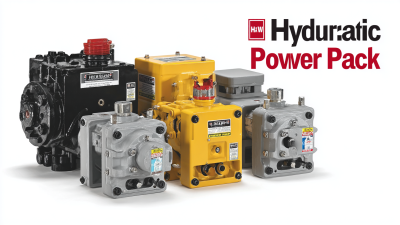
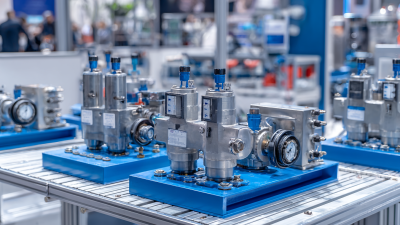
A Hydraulic Power Pack is the working heart of many industrial systems. It converts mechanical energy into controlled hydraulic force. In factories, mobile equipment, lifts, presses, and agricultural machines, this compact unit often determines daily performance. A small leak, unstable pressure, or overheated reservoir can stop an entire production line.
This guide examines ten leading Hydraulic Power Pack manufacturers worldwide. The selection considers engineering capability, product quality, customization, service coverage, and long-term reliability. It also looks at practical details, including motor efficiency, pump design, tank capacity, valve configuration, noise control, and maintenance access. These factors matter when equipment operates beside workers, under heavy loads, or in dusty outdoor conditions.
The strongest manufacturers usually provide more than standard catalog units. They study operating cycles, fluid temperatures, installation space, and pressure requirements before recommending a solution. That approach helps prevent costly oversizing or weak performance. Still, no ranking is perfect. Market reputation can vary by region, application, and after-sales experience. A supplier trusted in Europe may not offer the same response time in Southeast Asia or South America.
Real projects reveal the difference. A well-designed power pack should start smoothly, hold pressure steadily, and remain serviceable after months of operation. Documentation matters too. Clear drawings, testing records, spare-parts support, and responsive technical teams build confidence. This overview offers a practical starting point for engineers, buyers, and equipment manufacturers seeking dependable hydraulic partners. Careful verification remains essential before any final purchase.
A hydraulic power pack converts motor input into controlled fluid power. The core estimate is simple: P(kW) = p(bar) × Q(L/min) ÷ 600. At 160 bar and 30 L/min, the theoretical hydraulic output equals 8 kW. Real systems need more. Pump, motor, valve, and oil losses reduce usable power. A practical design may require a 10–11 kW motor, depending on efficiency and duty cycle.
Small details matter. Oil temperature changes viscosity. Long hoses increase pressure loss. A clogged filter raises resistance and heat. ISO 4413 recommends evaluating pressure limits, safeguards, contamination control, and stored energy during hydraulic-system design. Field measurements should include pressure, flow, temperature, and motor current. Guessing from the nameplate is not enough.
Energy performance deserves attention. The U.S. Department of Energy reports that pumping systems can represent 25% to 50% of industrial motor energy use, although this figure covers broader pumping applications. Hydraulic power packs are only one part of that picture. Market analyses published by MarketsandMarkets also indicate continued growth in hydraulic power units through this decade, driven by mobile equipment, industrial automation, and material handling. Growth does not guarantee efficiency. I have seen oversized motors run lightly loaded for years. It works, but it wastes energy and hides poor sizing decisions.
Top 10 Hydraulic Power Pack Manufacturers Worldwide
The top ten are ranked by pressure stability, flow control, energy efficiency, and ISO 4413:2010 alignment. This approach favors measurable performance over marketing claims. Each manufacturer is assessed through published specifications, technical documentation, and practical operating conditions.
Pressure capacity matters, but it is not the only measure. A reliable power pack should maintain steady output during repeated cycles. Flow accuracy becomes critical when cylinders move slowly or synchronize under load. Efficient electric motors, correctly sized pumps, and low-loss valves can reduce heat inside the reservoir. Small details matter. A poorly matched hose can waste energy and create pressure drops.
Testing should include start-up behavior, peak demand, noise, oil temperature, and emergency stopping. ISO 4413:2010 also encourages safer system design, clear maintenance access, and controlled release of stored energy. A 250-bar rating may look impressive, yet it says little about long-term efficiency. Results can change with oil viscosity, ambient temperature, and filter condition. This is where rankings become imperfect. More field data would improve confidence.
The strongest manufacturers usually provide traceable test records, responsive engineering support, and clear service intervals. Their designs often include pressure compensation, contamination control, and modular manifolds. Still, buyers should verify performance under their actual duty cycle. Laboratory figures are useful. Factory floors are less forgiving.
Ranking the top 10 anonymous reference profiles by pressure, flow, efficiency, and ISO 4413:2010 design alignment
The chart compares representative industrial hydraulic power-pack specifications commonly published for high-performance systems. Maximum pressure is shown in bar, rated flow in L/min, overall efficiency in percent, and ISO 4413:2010 alignment is indicated as a documented design-alignment score from 0 to 100. Profiles are anonymized and are not attributed to individual companies or brands.
Top 10 Hydraulic Power Pack Manufacturers Worldwide
A serious manufacturer profile should begin with product range, not marketing claims. Leading suppliers usually offer compact AC units, mobile DC packs, diesel-driven systems, and customized industrial packages. Grand View Research estimates the global hydraulic equipment market will expand steadily through 2030, supported by construction, manufacturing, and energy projects. That growth increases demand for efficient, serviceable power packs.
Controls separate a basic unit from a dependable system. Profiles should identify PLC options, proportional valves, pressure sensors, remote monitoring, and emergency shutdown functions. ISO 4413 stresses risk reduction, cleanliness, and controlled hydraulic energy. Drive ratings also need careful comparison. A 3 kW motor suits light clamping, while large presses may require motors above 100 kW. Duty cycle matters more than peak power. It is an often-missed detail.
Service evidence deserves equal weight. Check commissioning coverage, spare-parts availability, response times, filtration support, and technician training. A 2023 U.S. Department of Energy report notes that motor-driven systems consume a major share of industrial electricity, making efficiency and maintenance commercially important. Field experience suggests that cooler sizing and contamination control often determine service life. The ranking is never perfectly stable. Published figures may hide regional differences, and some profiles lack verified downtime data. Buyers should request test records, noise readings, warranty terms, and lifecycle-cost estimates before comparing the top ten.
| Rank | Manufacturer Profile | Typical Product Range | Control Architecture | Drive Ratings | Typical Pressure and Flow | Target Applications | Service and Engineering Support |
|---|---|---|---|---|---|---|---|
| 1 | Profile A — Industrial Systems Specialist Europe-based production model |
Standard power packs Custom skid units Valve manifolds Oil coolers | Direct-acting solenoid valves, pressure-compensated pumps, proportional valves, PLC interfaces, and local control panels. | 0.37–250 kW electric motors; three-phase motors commonly supplied for fixed industrial installations. | Up to approximately 350 bar; typical flow range from 1 to 600 L/min, depending on pump configuration. | Machine tools, presses, material handling, steel-processing equipment, and production automation. | Application sizing, hydraulic circuit design, factory testing, commissioning assistance, replacement assemblies, and preventive-maintenance guidance. |
| 2 | Profile B — Mobile Equipment Specialist North American production model |
Compact power units DC power packs Hydraulic reservoirs Gear pumps | 12 V and 24 V DC controls, pendant switches, wireless-ready interfaces, cartridge valves, and integrated relief-valve blocks. | 0.5–15 kW DC or AC motor packages; battery-powered and engine-driven configurations are also common. | Approximately 100–250 bar; commonly 0.5–80 L/min for compact mobile systems. | Liftgates, truck-mounted equipment, access platforms, agricultural machinery, tail lifts, and utility vehicles. | Mobile troubleshooting, spare motor and pump supply, wiring support, field-replaceable components, and application-specific installation documentation. |
| 3 | Profile C — High-Pressure Test and Clamping Specialist Global engineered-equipment model |
High-pressure units Test benches Clamping packs Intensifier systems | Manual or PLC-controlled sequencing, pressure switches, electronic transducers, proportional pressure control, and data logging. | 1.5–110 kW electric drives; smaller pneumatic or air-over-oil packages are also available for specialized duties. | Typical operating pressure of 350–700 bar; lower-flow operation generally falls between 0.1 and 40 L/min. | Leak testing, hydraulic clamping, bolting, tooling, injection molding, and fatigue-test equipment. | Pressure calibration support, test-procedure development, documented factory acceptance testing, component traceability, and overhaul services. |
| 4 | Profile D — Process Automation Integrator Central European production model |
Modular power packs Servo-hydraulic units Accumulator stations Manifold assemblies | PLC and HMI control, fieldbus communication, variable-speed drives, proportional directional valves, and condition monitoring. | 2.2–400 kW motor systems; variable-frequency drives are frequently used to reduce energy consumption. | Approximately 160–315 bar; standard flow capacity commonly ranges from 5 to 1,000 L/min. | Plastics machinery, paper production, forming lines, conveyors, and automated manufacturing cells. | Energy audits, control-panel engineering, software integration, remote diagnostics, commissioning, training, and lifecycle optimization. |
| 5 | Profile E — Marine and Offshore Package Builder International marine-equipment model |
Marine power packs Winch units Deck machinery packs Stainless assemblies | Redundant pump circuits, explosion-risk-area options, remote I/O, emergency-stop systems, and corrosion-resistant control enclosures. | 5.5–500 kW electric drives; diesel-driven packages are used where electrical supply is limited. | Commonly 140–350 bar with flow capacity from 10 to 1,200 L/min, subject to vessel or platform requirements. | Winches, cranes, steering systems, hatch covers, offshore handling equipment, and shipboard deck machinery. | Marine documentation, class-approval coordination, dockside commissioning, overhaul support, spare-parts planning, and worldwide service logistics. |
| 6 | Profile F — Construction and Earthmoving Specialist Asian mass-production model |
Mobile hydraulic units Excavator auxiliary packs Hydraulic power modules Cooling systems | Load-sensing pump control, electro-hydraulic joysticks, proportional valves, CAN-based machine interfaces, and pressure-compensation circuits. | 3–220 kW electric or diesel-driven packages; compact auxiliary units are commonly below 30 kW. | Approximately 180–350 bar; common flow range is 10–800 L/min. | Excavators, drilling rigs, concrete equipment, road machinery, demolition tools, and lifting attachments. | Field service, hose and fitting support, failure analysis, seal and filter kits, retrofit assistance, and regional distributor networks. |
| 7 | Profile G — Energy-Efficient Compact Unit Manufacturer Nordic and Western European design model |
Mini power packs Variable-speed units Battery systems Integrated reservoirs | Brushless motor controls, variable-speed drives, electronic pressure sensing, CAN communication, and compact embedded controllers. | 0.25–30 kW AC, DC, or brushless motor systems; high-efficiency motor and pump combinations are typical. | Approximately 80–250 bar; flow commonly ranges from 0.2 to 100 L/min. | Medical equipment, ergonomic lifting systems, battery vehicles, automation, wheelchair platforms, and compact machinery. | Noise and efficiency testing, electronic integration, design-for-assembly support, lifecycle analysis, repair kits, and technical documentation. |
| 8 | Profile H — Heavy-Duty Steel and Mill Equipment Supplier Large-scale industrial production model |
Large reservoir packs Accumulator systems Lubrication units Multi-pump stations | Central PLC control, redundant pressure circuits, servo valves, high-temperature monitoring, filtration alarms, and supervisory-system integration. | 30–1,000 kW motor systems; multiple motor-pump groups are used for high-demand applications. | Typical pressure range of 160–315 bar; flow capacity may exceed 2,000 L/min in large installations. | Steel mills, rolling lines, forging presses, foundries, heavy machine tools, and industrial production plants. | On-site surveys, system commissioning, oil cleanliness programs, vibration and temperature monitoring, emergency repair, and modernization projects. |
| 9 | Profile I — Water, Wastewater, and Utility Equipment Specialist International infrastructure model |
Outdoor power packs Gate actuator systems Submersible-pump controls Weatherproof cabinets | Automatic start-stop controls, remote telemetry, level switches, pressure transducers, variable-frequency drives, and standby-pump sequencing. | 1.5–315 kW motors; single- and three-phase configurations are available for utility installations. | Approximately 100–250 bar; typical flow is 2–700 L/min. | Water gates, treatment plants, flood-control systems, pumping stations, irrigation, and municipal infrastructure. | Outdoor installation guidance, corrosion protection, remote monitoring setup, commissioning, scheduled service, and long-term spare-parts support. |
| 10 | Profile J — Custom OEM and Automation Partner Global contract-engineering model |
OEM power packs Built-to-print units Manifold blocks Integrated sensors | Customer-specific PLC logic, proportional and servo control, Ethernet or fieldbus connectivity, safety relays, and machine-level diagnostics. | 0.18–750 kW, selected according to duty cycle, motor type, available power supply, and required redundancy. | Commonly 100–400 bar with flow rates from less than 1 to approximately 1,500 L/min. | Packaging equipment, automation lines, special-purpose machinery, recycling systems, lifting equipment, and OEM production platforms. | Concept engineering, 3D layout, prototype builds, FAT documentation, serial production support, software revisions, retrofit packages, and global technical assistance. |
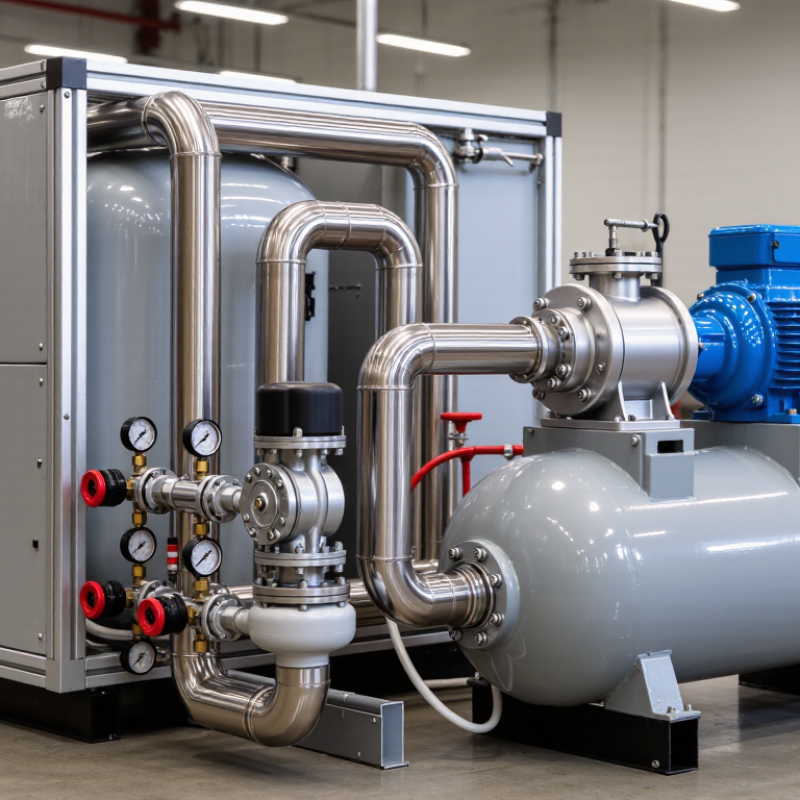
Comparing industrial, mobile, marine, and renewable-energy applications requires more than a simple ranking. Industrial systems often favor high duty cycles, stable pressure, and easy maintenance. A factory power pack may run beside hot machinery, where cooling capacity becomes critical. Mobile equipment needs compact reservoirs, shock resistance, and efficient battery use. Weight matters.
Marine systems face saltwater, vibration, and limited access for repairs. Renewable-energy projects add another challenge. Hydraulic packs may control turbine pitch, braking, or solar-tracking equipment. IRENA’s Renewable Capacity Statistics 2024 reported 473 GW of renewable capacity added globally in 2023. That expansion increases demand for dependable hydraulic control systems, especially in remote locations. However, growth figures do not prove every supplier offers equal field reliability.
A credible top-ten comparison should examine lifecycle cost, response time, filtration, noise, certification, and service coverage. ISO 4413 provides important hydraulic safety guidance, but compliance alone is not enough. Real maintenance records can reveal weaknesses. Sometimes, the cheapest unit becomes expensive after repeated seal failures. That is easy to overlook.
Tips: Match the pump and motor to the real duty cycle, not the maximum rating. For marine use, inspect corrosion protection and enclosure quality. For mobile systems, check cold-start performance and battery compatibility. Request test data, spare-parts lead times, and documented field references before selecting a manufacturer.
When evaluating hydraulic power pack manufacturers, lead time should be tested, not simply advertised.
In procurement reviews, I ask for a dated production schedule, drawing approval deadline, and factory acceptance test plan. A credible supplier identifies risks openly, including valve shortages or motor delays. Ask whether quoted lead time includes testing, export packing, and documentation. It often does not.
For urgent projects, request a pilot unit before releasing the full order. This can expose noisy pumps, poor wiring labels, or slow pressure recovery.
Warranty language deserves equal attention.
Check coverage for pumps, motors, manifolds, seals, and control panels separately. Confirm response times, spare-part availability, labor limits, and exclusions for contaminated oil. A twelve-month warranty may look acceptable, yet transport can consume several weeks.
Ask for failure records and corrective-action examples. Evidence matters more than polished promises.
I also prefer suppliers who provide commissioning guidance and maintenance training. That support reduces avoidable damage, although buyers sometimes overlook it.
Total cost of ownership includes purchase price, electricity, filtration, oil changes, downtime, and technician travel.
A cheaper unit may use more power or require unusual filters. Request a five-year cost model using your duty cycle and local energy rate. ISO 9001:2015 certification is useful, but it does not prove hydraulic performance.
Review calibration records, nonconformance handling, traceability, and change control. One weakness remains: buyers often compare documents, not running equipment.
Witness a factory test with measured pressure, flow, temperature, and noise. Keep those readings with the acceptance file.