Empowering Engineering Excellence: Innovate, Elevate, Deliver.
Choosing the right Hydraulic Oil Cooler manufacturer affects machine uptime, oil temperature, maintenance costs, and long-term operating stability. For global buyers, the decision involves more than comparing catalogue prices. A cooler may look efficient on paper, yet perform poorly in dusty workshops, humid ports, or high-temperature construction sites.
This guide examines ten leading manufacturers serving international hydraulic equipment markets. It considers product quality, cooling performance, material selection, customization, testing practices, delivery capability, and after-sales support. Practical details matter. Tube construction, fin spacing, pressure ratings, fan performance, and corrosion resistance can influence service life significantly. A compact cooler may fit a mobile excavator, while a larger industrial unit may suit hydraulic presses or injection machinery.
Real experience matters.
Reliable manufacturers usually provide clear technical drawings, verified specifications, and application guidance. They should also explain limitations instead of promising universal compatibility. Buyers should check flow rate, working pressure, ambient temperature, oil viscosity, mounting space, and electrical requirements before ordering. These details are easy to overlook.
No ranking can fit every project. Supplier strengths vary by region, industry, budget, and delivery schedule. Some manufacturers publish extensive performance data; others offer stronger engineering support but less accessible documentation. That difference deserves attention.
The companies discussed here were selected through a practical, evidence-based view of global purchasing needs. However, product information can change, and independent verification remains important. Request current datasheets, certifications, test reports, and warranty terms before making a final decision. A cooler is not merely a component. It is part of a machine’s reliability strategy.
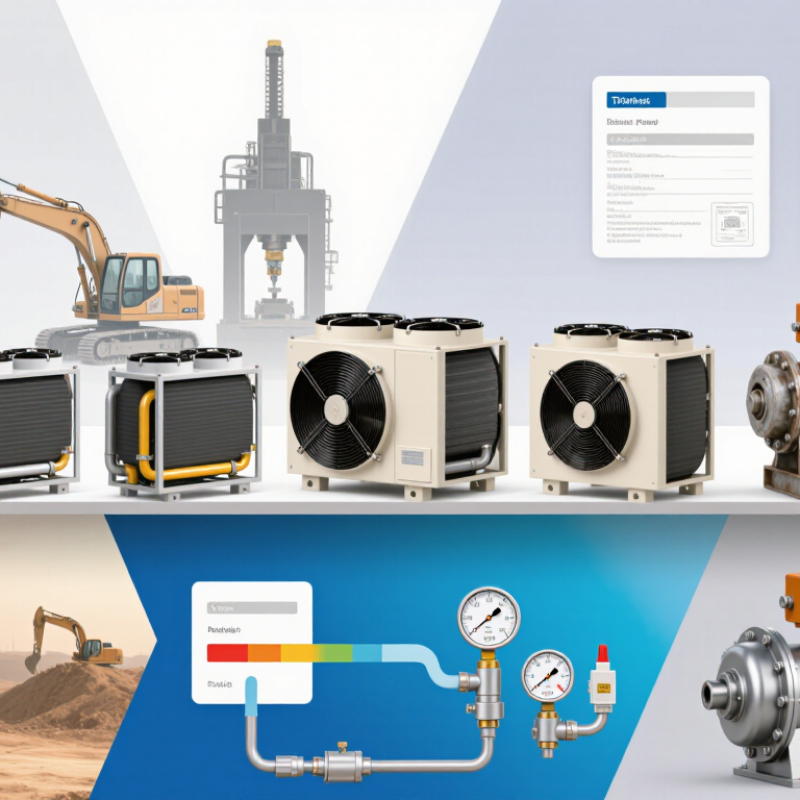
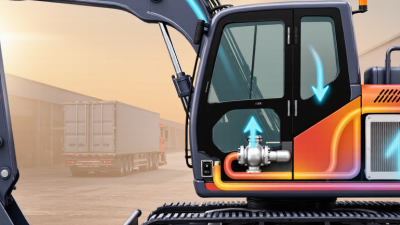
Hydraulic oil coolers remove excess heat from oil as it circulates through a machine. In air-cooled units, a fan moves air across a finned core; water-cooled designs transfer heat through a separate fluid circuit. Keeping oil within its specified operating range helps preserve viscosity and supports reliable pump, valve, and seal performance. Heat builds fast. High temperatures may come from heavy workloads, restricted flow, or worn components—not just an undersized cooler. A cooler cannot correct every cause.
These units are common in excavators, loaders, agricultural machines, presses, and other equipment that runs for long periods. A field technician might notice oil temperature climbing during repeated lifting cycles, especially on a hot day with a dusty radiator screen. Industrial systems can face similar loads during continuous production. Selection depends on oil flow, heat load, pressure drop, ambient conditions, and available space. Air cooling is practical where airflow is sufficient; water cooling may suit installations with a suitable cooling circuit. Cleanliness matters. Debris can block fins, while contamination inside the oil circuit can reduce performance. It is tempting to choose a larger cooler as a safe fix, but poor sizing or installation can create new constraints. Check operating data and the machine maker’s specifications before replacing or adding one.
| No. | Cooler Configuration | Heat-Transfer Medium | Typical Applications | Where It Is Used | Key Selection Considerations |
|---|---|---|---|---|---|
| 1 | Fan-assisted air-to-oil cooler | Ambient air | Hydraulic power units and industrial machinery | Factories, machine rooms, and outdoor equipment installations | Required heat rejection, airflow, ambient temperature, noise, and available mounting space |
| 2 | Vehicle-mounted air-to-oil cooler | Airflow from a fan or vehicle movement | Construction and agricultural machinery hydraulics | Mobile equipment operating in variable conditions | Vibration resistance, contamination protection, airflow access, and operating temperature range |
| 3 | Shell-and-tube oil-to-water cooler | Cooling water or another compatible liquid circuit | Presses, machine tools, and central hydraulic systems | Industrial sites with a suitable cooling-water supply | Water quality, pressure and temperature limits, fouling risk, and cleaning access |
| 4 | Plate-type oil-to-water heat exchanger | Cooling water or a separate liquid circuit | Compact hydraulic power packs and process equipment | Installations where space is limited and liquid cooling is available | Oil and water compatibility, allowable pressure drop, filtration, and serviceability |
| 5 | Reservoir-mounted air cooler | Ambient air | Hydraulic systems with a dedicated oil tank | Fixed machinery and packaged hydraulic units | Tank layout, oil circulation path, heat load, fan access, and maintenance clearance |
| 6 | Return-line air-to-oil cooler | Ambient air | Systems that cool oil returning to the reservoir | Mobile and stationary hydraulic circuits, subject to circuit design | Return-line flow, cooler pressure rating, bypass protection, and acceptable back pressure |
| 7 | Off-line circulating cooler | Air or water, depending on the cooler assembly | Large reservoirs and systems needing separate oil conditioning | Industrial plants and hydraulic systems with continuous operating cycles | Separate pump flow, filtration needs, reservoir turnover, and independent service access |
| 8 | Compact cooler for high-vibration service | Usually ambient air; configuration varies by system | Mobile machinery and equipment subject to frequent movement | Construction sites, farms, and other demanding work environments | Mounting support, vibration exposure, impact protection, and hose or pipe stress |
| 9 | Marine-compatible oil-to-water cooler | Fresh water or seawater through a suitable circuit design | Marine hydraulic systems and deck machinery | Vessels and coastal installations with marine cooling arrangements | Seawater compatibility, corrosion protection, water-side maintenance, and applicable marine requirements |
| 10 | Custom-engineered hydraulic oil cooler assembly | Air or liquid, selected for the system | Special-purpose machines and integrated hydraulic packages | Applications with unusual space, operating, or connection requirements | Document the heat load, oil flow, fluid properties, ambient conditions, connections, and service requirements |
Hydraulic oil coolers remove excess heat from hydraulic fluid to help maintain suitable operating temperatures and support reliable system performance. Actual cooler selection should be based on the equipment manufacturer's system data and the cooler's rated operating limits.