Empowering Engineering Excellence: Innovate, Elevate, Deliver.

Why Choose a Solar Light Tower?

Why Choose a Solar Light Tower?

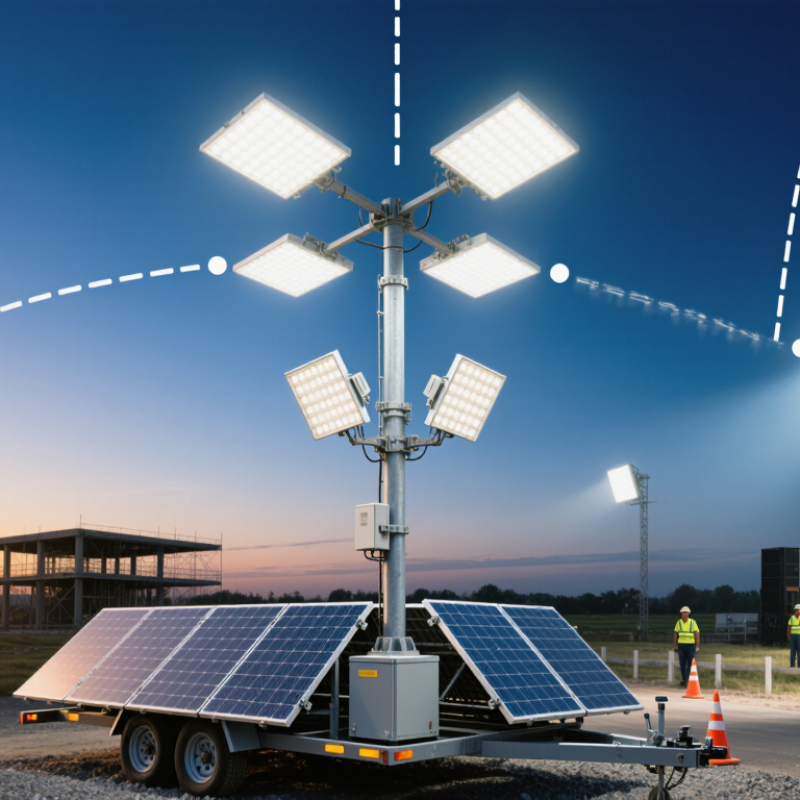
A Solar Light Tower provides bright, mobile illumination without relying on a continuous grid connection. It uses photovoltaic panels, batteries, and efficient LED fixtures. This combination can support construction sites, emergency areas, road projects, farms, and outdoor events. During field inspections, operators often notice the difference immediately. There are fewer fuel cans, less engine noise, and no exhaust near workers.

Energy-efficiency expert Amory Lovins said, “The best kilowatt-hour is the one you don’t use.” His observation explains the practical value of solar lighting. A Solar Light Tower produces power during daylight and stores it for nighttime operation. Modern units may include adjustable LED heads, automatic dusk sensors, remote monitoring, and towable frames. These features can reduce routine labor and improve placement flexibility.

Still, solar lighting is not perfect.

Cloudy weather can limit battery recovery. Poor panel positioning may reduce performance. Some projects may also require larger battery capacity or backup lighting. These weaknesses deserve honest planning, not optimistic marketing. A reliable decision should examine illumination requirements, operating hours, climate, terrain, maintenance access, and total ownership costs.

When selected correctly, a Solar Light Tower can offer quiet, low-maintenance, and cleaner temporary lighting. It may also improve working conditions by reducing glare, fumes, and unnecessary equipment movement. The right choice depends on measured needs rather than appearance alone. That is where professional assessment matters. A bright lamp is useful, but dependable light is better.
Why Choose a Solar Light Tower?

How Solar Light Towers Work

Why Choose a Solar Light Tower?

How Solar Light Towers Work

A solar light tower turns sunlight into portable illumination without relying on a fixed electrical connection. Photovoltaic panels capture solar energy during the day and send it through a charge controller. The controller protects the battery from excessive charging and deep discharge. At night, stored energy powers high-efficiency LED lamps mounted on a raised mast.

A typical unit uses a telescopic mast, adjustable light heads, and a battery enclosure. Operators can aim the lamps across a work area, access road, or emergency site. Some systems include light sensors or timers, so the LEDs activate automatically after sunset. From practical field use, positioning matters greatly. A nearby wall or tree can shade the panels and reduce charging performance.

Weather changes the result.

Cloudy afternoons produce less stored energy. Dust on the panels also limits output, although regular cleaning usually helps. Cold temperatures may reduce battery capacity, while strong winds can require the mast to be lowered. These details are easy to overlook. A tower may advertise long operating hours, but actual runtime depends on lamp brightness, battery condition, and daily sunlight.

Reliable operation requires simple checks. Inspect cables, panel surfaces, mast locks, and battery indicators before deployment. Keep records of charging behavior and nighttime runtime. This evidence helps technicians identify gradual performance loss instead of guessing after a failure.

Key Benefits of Solar-Powered Illumination

Why Choose a Solar Light Tower?

Solar-powered illumination reduces dependence on diesel fuel, grid connections, and fuel deliveries. That matters on construction sites, emergency work zones, farms, and remote infrastructure projects. According to IRENA’s Renewable Power Generation Costs in 2023, utility-scale solar photovoltaic electricity averaged about $0.044 per kilowatt-hour globally. A light tower uses only a small fraction of that generation, but the trend still supports lower long-term energy costs.

Cleaner operation is another practical benefit. Solar towers produce no exhaust during nighttime lighting, helping improve air quality around workers and nearby residents. They also operate quietly, unlike many engine-driven units. The U.S. Department of Energy reports that LED lighting uses at least 75% less energy and lasts up to 25 times longer than incandescent lighting. In real use, efficient LEDs can extend battery runtime and reduce lamp replacement work.

Less noise, fewer visits.

Modern towers often combine photovoltaic panels, batteries, sensors, and adjustable LED heads. Operators can position light without laying temporary power cables. However, performance depends on sunlight, battery age, temperature, and panel cleanliness. A poorly planned installation may provide weak light after several cloudy days. That limitation deserves honest attention. Site surveys, lighting calculations, and battery monitoring remain essential. Solar technology is not maintenance-free, but it can make illumination more predictable, safer, and less dependent on daily fuel logistics.

Why Choose a Solar Light Tower? — Key Benefits of Solar-Powered Illumination

Solar-powered lighting can reduce dependence on carbon-intensive energy sources. The chart compares median lifecycle greenhouse-gas emissions for major electricity-generation technologies. Lower values indicate lower emissions across manufacturing, operation, and decommissioning.

Data source: IPCC median lifecycle greenhouse-gas emission estimates, measured in grams of CO₂ equivalent per kilowatt-hour.

Factors to Consider Before Choosing One

Choosing a solar light tower begins with the worksite, not the panel rating. Define the required illumination, operating hours, ground conditions, and transport frequency. An IEA PVPS Trends 2024 report recorded more than 400 GW of new solar capacity worldwide in 2023. That growth improves component availability, but it does not guarantee a suitable tower. Light quality matters. Check lux levels at the actual work plane, not only advertised lumen output.

Battery autonomy deserves careful scrutiny. Ask how many dark, cloudy nights the system can cover without damaging its battery. Review battery chemistry, usable capacity, charging time, and replacement access. Solar resource data should match the site and season. Weather records, shading from equipment, and winter sun angles can change the calculation. IRENA’s Renewable Power Generation Costs in 2023 reported that 81% of newly commissioned utility-scale renewable projects undercut fossil alternatives. That statistic supports solar investment, yet tower economics remain site-specific.

SITE READINESS Inspect the mast, wheels, enclosure, controls, and emergency shutoff before purchase. Wind loading and corrosion protection are practical safety issues, especially near coasts or open construction sites. Confirm independent testing and applicable electrical standards. Noise can also affect night crews and nearby residents. Quiet operation is not optional. Site teams often discover that a small battery shortfall creates more downtime than expected. Planning models may ignore cleaning, theft prevention, and battery replacement. That is an uncomfortable gap. Build a maintenance schedule, then challenge its assumptions with a week-long trial.

Common Applications Across Different Environments

Why Choose a Solar Light Tower?

Solar light towers serve practical needs across changing environments. At construction sites, they illuminate access paths, material storage areas, and evening inspections without diesel refueling. In remote roadwork, crews can position them where grid connections are unavailable. According to IRENA’s Renewable Capacity Statistics 2024, solar power added 346 gigawatts globally in 2023. This growth supports wider confidence in solar-based equipment, but lighting performance still depends on local sunlight and battery design.

The applications extend beyond construction. Emergency teams use mobile towers near storm-damaged roads, temporary shelters, and utility repair zones. Farms can light equipment yards without running cables across fields. Mining and infrastructure projects benefit from quieter operation near workers and wildlife. The U.S. Environmental Protection Agency estimates that burning one gallon of diesel releases about 10.21 kilograms of carbon dioxide. Avoiding routine generator use can therefore reduce direct emissions and fuel handling. Small details matter. A tower needs stable ground, clear panel exposure, and sufficient battery capacity for cloudy nights. Shadows from cranes or trees can reduce charging sharply. That weakness is easy to overlook. Field assessments should record seasonal weather, operating hours, and required illumination levels before deployment. A 2023 report from the International Energy Agency also identifies solar as a major driver of renewable expansion, yet renewable equipment is not automatically suitable everywhere. Poor placement, limited winter sunlight, or neglected battery maintenance can undermine an otherwise sensible choice.

Why Choose a Solar Light Tower? - Common Applications Across Different Environments

Application Typical Environment Typical Lighting Requirement Why Solar Light Towers Fit Key Design Considerations Typical Operating Pattern
Construction Sites Building projects, road construction, and temporary work zones Temporary area lighting for access routes, equipment zones, and work surfaces No diesel fuel delivery, reduced cable requirements, and convenient relocation as the project progresses Stable ground, glare control, wind resistance, lifting points, and adequate battery capacity Usually activated during evening or overnight shifts; commonly requires 8–12 hours of illumination
Roadside and Traffic Work Highways, intersections, bridges, and urban road corridors Focused lighting for lane changes, barriers, signage, and pedestrian movement Operates independently of local grid access and avoids electrical cables crossing active traffic areas Low glare, traffic-safe placement, high visibility, tamper resistance, and compliance with local road-safety rules Often used for several hours after sunset, with automatic dusk-to-dawn controls where required
Emergency Response Disaster areas, temporary shelters, evacuation points, and incident scenes Wide-area lighting for access, triage, logistics, and public movement Can be deployed where the grid is damaged or unavailable and does not require fuel storage Fast setup, transport wheels, battery reserve, weather protection, and simple controls May operate continuously overnight; battery autonomy should account for cloudy conditions
Outdoor Events Festivals, sports grounds, markets, campsites, and temporary venues Comfortable lighting for walkways, entrances, parking, and service areas Quiet operation, no exhaust emissions at the point of use, and flexible placement away from power outlets Low light spill, noise-sensitive operation, pedestrian safety, appearance, and protection from public contact Primarily used from dusk until venue closure; dimming can extend battery duration
Mining and Quarry Operations Remote extraction sites, stockpiles, haul roads, and material handling areas High-output lighting for equipment access, loading areas, and perimeter routes Reduces fuel logistics in isolated locations and supports lighting where fixed infrastructure is impractical Dust and water protection, corrosion resistance, high wind loading, robust chassis, and site-specific safety controls May run throughout night shifts; high-capacity batteries and efficient LED fixtures are important
Agriculture and Rural Operations Farms, livestock areas, irrigation sites, storage yards, and rural access roads Localized lighting for security, harvesting, maintenance, and machinery movement Useful in locations with limited grid coverage and reduces the need for temporary electrical connections Protection from dust and moisture, animal-safe placement, easy maintenance, and minimal disturbance to nearby residents Intermittent evening use or scheduled operation during seasonal harvesting periods
Remote Infrastructure Telecommunication facilities, water stations, rail corridors, and utility assets Security and maintenance lighting around isolated assets Provides autonomous lighting without extending utility lines to distant locations Remote monitoring, anti-theft protection, seasonal solar availability, and long service intervals Frequently uses motion sensors, timed lighting, or reduced-output standby modes
Industrial and Logistics Yards Warehousing areas, container yards, distribution centers, and equipment compounds Wide-area visibility for loading, unloading, vehicle circulation, and security patrols Supports temporary expansion areas and reduces trenching or cable installation costs Uniform illumination, forklift and vehicle visibility, impact resistance, and careful positioning around stored goods Typically scheduled for operating hours and security coverage, with sensor-based control available

Note: Actual lighting levels, operating time, battery autonomy, and solar charging performance depend on fixture output, site layout, latitude, season, weather, and local regulations.

Maintenance, Lifespan, and Environmental Impact

Why Choose a Solar Light Tower?

A solar light tower can reduce fuel use, noise, and routine service on temporary worksites. Its maintenance needs are practical but not zero. Inspect the solar panels after dusty or stormy days. Clean surfaces improve charging, especially when mud covers the lower edges. Check cables, connectors, and the mast for looseness or corrosion. The LED fixtures usually last far longer than traditional lamps, while batteries often need replacement after three to seven years. Climate, charging cycles, and storage conditions can shorten that period.

Tips: Keep panels angled toward direct sunlight, and avoid placing the tower beneath trees or tall equipment. Record battery performance each month. A simple log can reveal slower charging before nighttime failures occur. Follow local electrical and battery-disposal requirements. Do not ignore small faults.

The environmental advantage is strongest when the tower replaces frequent diesel operation. It produces no exhaust during use and creates less site noise. That can improve nearby working conditions. Still, solar equipment is not automatically green. Manufacturing panels, batteries, and steel requires energy and raw materials. Responsible recycling matters when components reach the end of their service life. In my experience, poor placement can weaken performance more than expected. A shaded panel may leave the tower underpowered after several cloudy days. Careful site planning remains essential.

Download
Brochure