Empowering Engineering Excellence: Innovate, Elevate, Deliver.

Why Choose Custom 3D Medals for Your Business?

A business award should feel connected to the achievement it represents. Custom 3D Medals can add depth, texture, and a distinctive finish to employee recognition, customer appreciation, and company events. Raised lettering catches the light. A sculpted logo gives the design dimension, while a recessed background can make names or dates easier to notice. That detail matters. A medal held in someone’s hand feels different from a graphic on a screen.

The strongest designs begin with a clear purpose, not extra decoration. Consider who will receive the medal, how it will be presented, and whether it needs a ribbon, display case, or engraved name. A practical design review should check logo readability, relief depth, dimensions, weight, and finish. Requesting a digital proof before production helps reveal crowded text or details that may not translate well into metal. Small choices add up.

Custom 3D Medals are not automatically the right fit for every occasion. A simple printed award may suit a small, informal event with a tight budget. For a milestone celebration or recurring recognition program, however, a carefully specified medal can create a more lasting keepsake. Think about durability, delivery timing, and how the design will look across future award cycles. The result should reflect the achievement—and your brand—without promising more than the object can deliver.
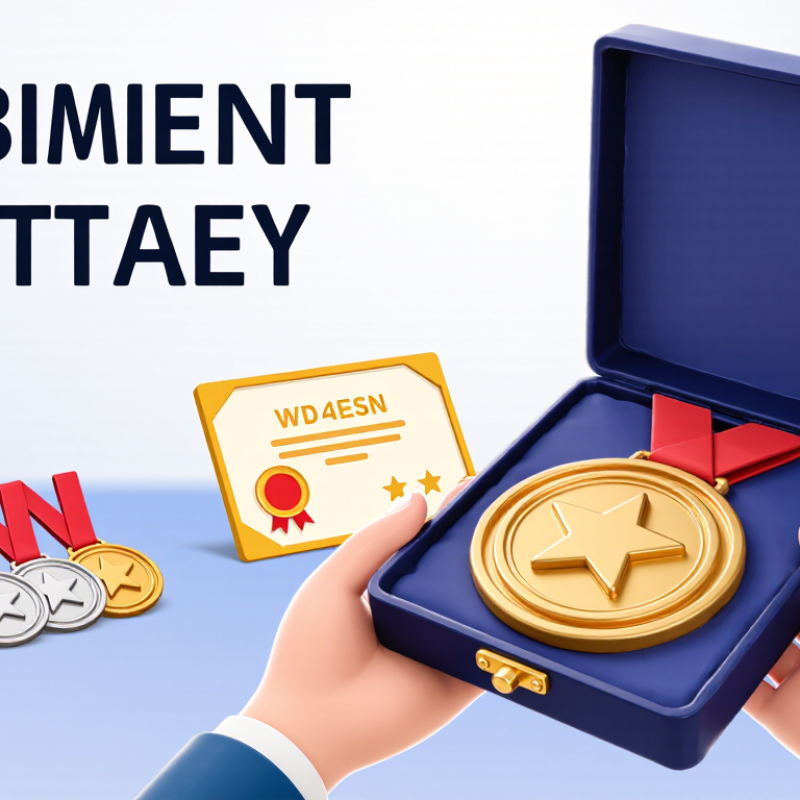
Why Choose Custom 3D Medals for Your Business?

Define Custom 3D Medals in the $20.0B Additive Manufacturing Industry

Why Choose Custom 3D Medals for Your Business?

Custom 3D medals are designed with raised forms, recessed details, and shaped edges that give a flat emblem extra depth. In the $20.0B additive manufacturing industry, digital design and layer-based production help make intricate shapes practical. The figure describes a broad market estimate, not medal sales alone. A medal might feature a raised company symbol, a textured rim, and a small engraved date. Designers build these features in a 3D model before choosing suitable production methods. Small details matter.

Additive manufacturing can produce prototypes or components, but it is not automatically the best way to make every finished medal. Depending on material, quantity, and finish, a 3D-printed master may guide casting, while direct metal printing may suit a complex, limited run. A careful supplier should explain which process is being used, how fine details will translate, and what finishing can change. For example, polishing may soften narrow grooves, and heavier relief can increase cost or weight. That deserves a second look. Businesses can use custom medals for employee recognition, event awards, or product milestones, with dimensions and finishes matched to how each piece will be handled and displayed.

Trace the Design-to-Production Process for Sculpted Medal Details

Custom 3D medals give a business a physical way to mark achievements, events, or milestones. The process starts by turning that purpose into a clear front-and-back layout. Designers then build the sculpted relief in a digital model. Raised lettering, recessed areas, and beveled edges need enough separation to stay legible at medal scale. Fine textures may look striking on screen but disappear after casting or plating. Screens can deceive.

A sculptor or modeler checks depth, edge transitions, and how light will catch each surface. A sample can reveal weak lettering or awkward shadows before production tooling begins. Small details matter. The ASI 2023 Global Ad Impressions Study reports that 83% of consumers like receiving promotional products, making thoughtful design a practical consideration for business keepsakes.

After approval, the maker selects an alloy, prepares a die or mold, and casts or strikes the medal. Color filling, polishing, and edge cleanup can all change the appearance of the relief. Approve a physical sample when possible. Not every ornate concept survives production unchanged; simplifying one ridge may improve the finished medal.

Compare Medal Materials and Finishes Using ASTM Additive Manufacturing Standards

Why Choose Custom 3D Medals for Your Business?

Compare Medal Materials and Finishes Using ASTM Additive Manufacturing Standards

Choosing a medal material means balancing detail, weight, durability, and cost. Stainless steel suits crisp relief and a substantial hand feel; titanium is lighter and corrosion-resistant, but can raise production costs. Polymer models help test shapes before metal production. ASTM F3122 provides guidance for evaluating mechanical properties of additively manufactured metals, while ASTM F3301 covers thermal post-processing of metal powder-bed-fusion parts. These standards support process evaluation; they do not prescribe a medal’s appearance. That distinction matters.

Finish needs its own inspection criteria. Polishing creates bright highlights, while bead blasting gives recessed details a softer, matte look. Plating can add color, but buyers should specify coating uniformity, edge coverage, and acceptable wear rather than relying on a sample photo. The Wohlers Report 2024 estimated the additive manufacturing industry reached $21.8 billion in 2023, up 11.1 percent year over year. Growth is notable, but it does not guarantee consistent results from every supplier. Ask for a physical sample, dimensional checks, and documented material and post-processing details. A shiny face can still hide rough lettering. I would inspect the rim, too.

Why Choose Custom 3D Medals for Your Business? — Compare Medal Materials and Finishes Using ASTM Additive Manufacturing Standards

Material / Route Typical Appearance and Finish Options Potential Business Uses Relevant ASTM Additive Manufacturing Reference Practical Considerations
17-4 PH stainless steel, produced by powder bed fusion Can be machined or polished; bead blasting can create a matte surface. Decorative plating or coatings may be added as a separate finishing step. Durable awards, commemorative pieces, and detailed relief designs where metal construction is preferred. ASTM F3184 specifies requirements for additive manufacturing of UNS S17400 stainless steel using powder bed fusion. It addresses the material and manufacturing scope, not the medal’s decorative finish. As-built surfaces may show process texture and usually need finishing for a smoother appearance. Corrosion behavior and final properties depend on the material condition and post-processing.
Ti-6Al-4V titanium, produced by powder bed fusion Machined, polished, or bead-blasted surfaces are possible. Color coatings or plating are additional finishing operations, not inherent titanium colors. Lightweight premium awards and low-volume designs with complex geometry. ASTM F2924 covers additive manufacturing of Ti-6Al-4V using powder bed fusion within its defined scope. ASTM F3122 provides guidance for evaluating mechanical properties of metal materials made by additive manufacturing. Titanium is generally lighter than steel, but material and finishing costs can be higher. Confirm alloy, process, and post-processing requirements with the supplier.
Aluminum alloy, such as AlSi10Mg, produced by powder bed fusion Machining and bead blasting are commonly used to refine the surface. Anodizing may be considered where the alloy and process are suitable. Lightweight event medals, branded recognition pieces, and designs with substantial raised or recessed detail. ASTM F3122 is a general guide for evaluating mechanical properties of additively manufactured metal materials; it is not a product-specific specification for every aluminum alloy. Surface finishing can affect dimensions and appearance. Confirm the exact alloy, process qualification, and suitability of any planned anodizing or coating.
Polyamide 12 (PA12), produced by polymer powder bed fusion Typically has a matte, slightly textured surface. Dyeing, painting, or coating can add color, subject to the chosen process. Lightweight prototypes, short-run event pieces, and complex shapes where a metal look is not essential. The metal-focused ASTM references listed above do not specify PA12. Identify and agree on the applicable polymer process and material requirements separately. Compared with metal, PA12 has a different feel and appearance. Confirm color consistency, surface texture, and coating durability using representative samples.
Metal additive manufacturing followed by polishing or machining Reduces visible layer texture on selected surfaces and can create smoother edges or controlled flat areas. Medals with polished faces, crisp lettering, or a contrast between finished and textured regions. ASTM F3301 addresses thermal post-processing of metal parts made by powder bed fusion. ASTM F3122 offers guidance for evaluating mechanical properties; neither standard defines a decorative polish level. Material removal can change fine details and dimensions. Specify which faces require finishing and agree on acceptance criteria or sample parts.
Metal additive manufacturing followed by decorative plating or coating Possible options include gold-tone, silver-tone, antique-style, or colored coatings, depending on the substrate and finishing supplier. Presentation awards and commemorative medals where a particular color or visual contrast is desired. ASTM additive manufacturing standards address defined aspects of material, process, or property evaluation. They do not, by themselves, specify decorative plating color, thickness, adhesion, or wear performance. Request coating specifications and sample approval separately. Appearance, adhesion, and wear depend on surface preparation, coating system, and service conditions.

Standards note: ASTM references apply only when the selected material and manufacturing route fall within each standard’s scope. They are not a blanket certification for a finished medal. Confirm the current edition, material specification, inspection plan, and decorative-finish requirements with the manufacturer.

Assess Branding Potential in PPAI’s $26.1B Promotional Products Market

Custom 3D Medals in a $26.1B Promotional Products Market

PPAI reported that U.S. promotional products sales reached $26.1 billion in 2023. That scale signals strong competition for attention. A custom 3D medal can give a campaign a more tangible identity: raised lettering, a sculpted edge, or a recessed emblem invites closer inspection. Its value, though, depends on whether the design carries a clear message. Extra detail can make a medal feel distinctive—or simply crowded.

ASI’s 2023 Ad Impressions Study found that 85% of surveyed consumers could recall an advertiser after receiving a promotional product. This suggests useful potential for memorable merchandise, but it does not guarantee that every item will be kept or remembered. Consider the audience, event, and intended use before choosing the shape, finish, and wording. A medal handed out at a staff milestone may need a different look from one marking a public event. Small choices matter.

Tips: Keep the main symbol readable at a glance, and test its raised details at actual size. Ask a sample maker to check edge comfort and color contrast. One honest caveat: highly intricate artwork may not translate cleanly into metal. Check a physical sample before approving a large production run.

Why Choose Custom 3D Medals for Your Business?

PPAI reported $26.1 billion in U.S. promotional products sales for 2023. In a market of this scale, custom 3D medals can give a campaign a distinctive keepsake that helps communicate a business’s identity.

Source: PPAI, 2023 U.S. promotional products sales.

Set Quality, Budget, and Lead-Time Criteria for a Custom Medal Order

Before ordering a custom 3D medal, define quality, budget, and delivery needs in writing. Specify diameter, thickness, relief depth, plating, enamel colors, edge finish, and attachment. Raised details can make a logo stand out, but very small lettering may lose definition. Ask for a digital proof or physical sample, then agree on acceptable color, alignment, and surface variation. “Premium quality” is too vague. Deloitte’s 2023 Global Chief Procurement Officer Survey found that 71% of surveyed procurement leaders ranked cost reduction among their top priorities. Use that as a prompt to compare total cost, including tooling, samples, packaging, and shipping—not just the unit price.

Ask for tiered quotes at different quantities, and check whether design changes affect setup costs. A practical detail is to separate the schedule into proofing, production, and transit, with clear approval deadlines. ISM’s Manufacturing Report on Business uses a Supplier Deliveries Index: readings above 50 indicate slower deliveries. That industry signal can help frame expectations, but it cannot predict one order’s arrival date. Build in a buffer for proof revisions or shipping delays. The first specification may still miss something; reviewing a sample can reveal details that looked fine on screen but feel too shallow or crowded in metal.

Download
Brochure