Top 10 Spare Parts for Textile Machinery You Must Know?
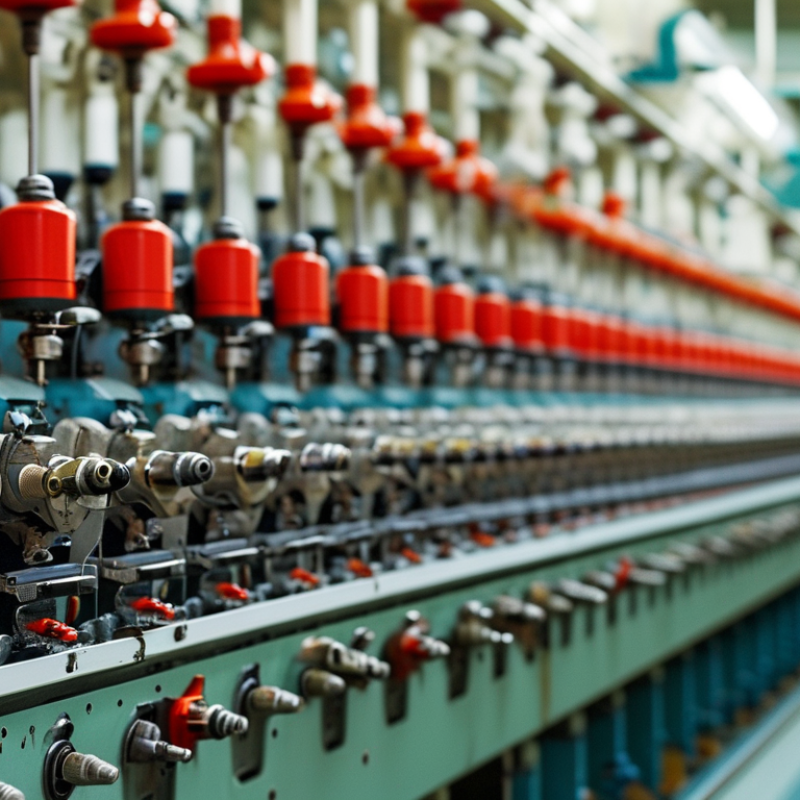
Textile machinery plays a crucial role in the production process. Knowing the right spare parts for textile machinery can greatly enhance efficiency. These components are vital for maintaining operational integrity. Without reliable spare parts, manufacturers face costly downtimes and production delays.
Each machine has specific needs that vary with use and wear. Some parts might seem minor, yet their failure could halt production. Proper knowledge of these spare parts can empower textile manufacturers. It ensures that maintenance is timely and effective, preventing unexpected breakdowns.
Investing in quality spare parts is essential. Understanding the common components can help make informed choices. Many operators overlook the significance of these parts until it’s too late. A proactive approach can save time and money. Knowing what to look for can transform maintenance practices.
Essential Spare Parts for Weaving Machines
When discussing weaving machines, essential spare parts play a crucial role in maintaining efficiency. The shuttle is one of those key components. It handles the yarn during the weaving process. Frequent use can lead to wear and tear. Replacing shuttles can prevent disruptions.
Another important part is the loom’s heddle. Heddles guide the warp yarns. Over time, they can break or become damaged. Regular inspection and timely replacement ensure smooth operations. Additionally, the reed is vital. It helps to pack the weft yarns tightly, enhancing the fabric quality. A worn reed can lead to poor results.
Belts and pulleys are also critical. They connect the motor to the loom. If they malfunction, production halts. Routine checks on their condition can avoid unexpected downtimes. It’s essential to understand that every part contributes to the weaving machine’s overall performance. Investing in these spare parts can save time and resources in the long run. Regular maintenance is key to a textile machinery's longevity.
Critical Components for Spinning Machinery
In the textile industry, spinning machinery plays a vital role in converting fibers into yarn. Understanding critical components of this machinery is essential for maintaining efficiency. A report from the International Textile Manufacturers Federation reveals that up to 35% of production downtime is linked to equipment failure. This highlights the importance of spare parts.
Key components such as spindles and drive gears are often the first to wear out. Spindles, used for twisting fibers, must be chosen carefully. Their lifespan can vary significantly based on usage, with some requiring replacement every few months. On the other hand, drive gears, crucial for synchronizing operations, may last longer but wear unevenly. Regular inspection is necessary, as overlooked damage can lead to substantial downtime.
Additionally, cylinder components and drafting systems also require attention. Data from industry surveys show that over 50% of textile manufacturers prioritize the quality of these parts. They directly influence the final product's quality and production rate. However, the sourcing of these components often lacks transparency. A shocking finding is that many companies still rely on outdated suppliers, which can compromise reliability.
Key Parts for Knitting Machines Maintenance
Understanding key parts of knitting machines is essential for effective maintenance. Regular checks can prevent costly downtimes. Focus on these critical components to keep your machinery running smoothly.
The drive belt is a vital part. It connects the motor to the needle system. A worn belt can lead to slippage and thread breakage. Inspect it frequently for fraying or wear. Replace it if necessary.
Another important component is the needle. A damaged needle affects the quality of the fabric. Choose the right needle based on the type of yarn. Regular replacement will ensure precision in your knitting process.
Tips: Maintain a checklist for regular inspections. Document any unusual sounds or vibrations during operation. This can help identify problems early. Keeping spare parts on hand is wise. Production should never halt due to minor repairs.
Important Accessories for Dyeing and Finishing Equipment
When it comes to dyeing and finishing equipment, understanding key accessories is essential. These components can greatly influence the quality of textile production. One crucial accessory is the pump assembly. It ensures the consistent flow of dyestuff and finishing agents. If a pump malfunctions, fabric quality can suffer. Regular checks are necessary to avoid disruptions.
Another vital part is the heating element. It plays a significant role in achieving the desired temperature for dyeing. An unreliable heating system can lead to uneven color application. It's important to monitor these elements closely. Moreover, filter systems must be maintained to ensure that impurities do not spoil dye batches.
Operators often overlook these accessories. However, neglecting them can result in costly downtime. Ensuring that each part is in good condition is not optional; it’s a need for operational efficiency. While training on these components might be basic, ongoing education in maintenance practices is often lacking. Investing in staff knowledge leads to better outcomes.
Must-Have Spare Parts for Quality Control in Textile Production
In textile production, having essential spare parts ensures efficient operations. Components like needles, tension assemblies, and timing belts play a crucial role in maintaining quality control. According to industry reports, over 30% of downtime in textile machinery is caused by spare parts failure. This underlines the importance of keeping an adequate inventory.
Additionally, quality control hinges on precise machinery operation. Worn-out parts can lead to defects in fabric, affecting the final product. A study revealed that 40% of quality issues in textiles stem from mechanical malfunctions. Regular maintenance and timely replacement of spare parts are vital. Operators should monitor usage and condition closely.
However, many manufacturers overlook the significance of these spare parts. Some prioritize cost-cutting over reliability, which can backfire. In an industry where precision is key, neglecting spare parts can lead to significant losses. Fostering a culture of preventive maintenance is essential. Efficiency and product integrity depend on it.