Empowering Engineering Excellence: Innovate, Elevate, Deliver.

Top Solinco String Machine Types for Buyers?

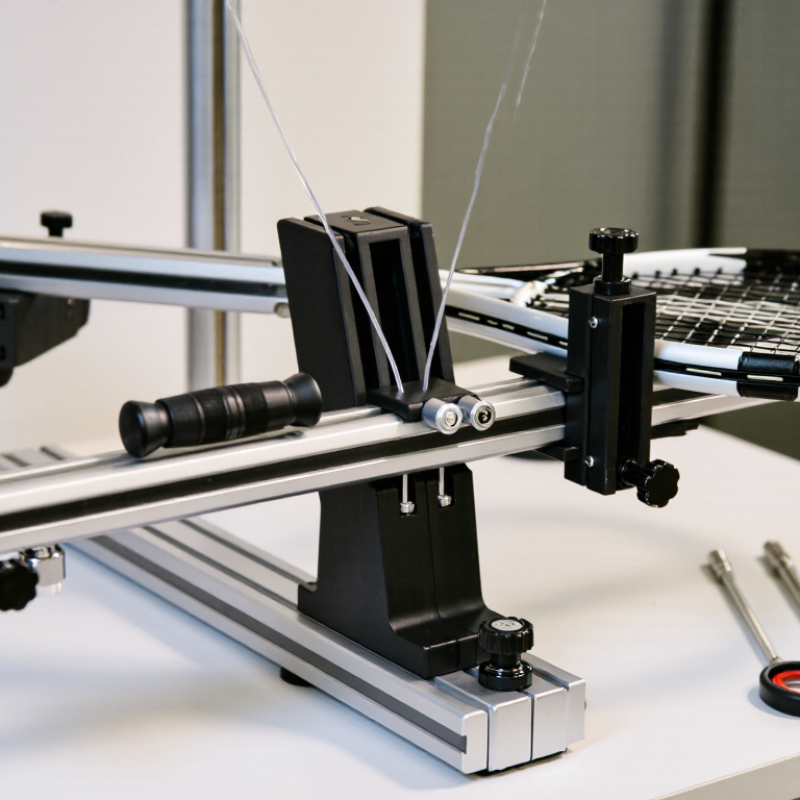
Shopping for a Solinco String Machine is less about choosing the most impressive model and more about matching equipment to your workload. A home player restringing a few racquets each month may value simple controls, steady tension, and a compact footprint. A busy club or shop may need faster operation, repeatable results, and components built for frequent use. Small details matter. Fit matters. Think of a racquet secured firmly on the mounting system, clamps that hold without slipping, and controls that are easy to read under workshop lighting.

This guide compares the main machine types buyers may encounter, including manual and electronic options, while explaining what their differences mean in daily use. It also highlights practical checks: tension range, calibration, clamp design, available support, and the space required for setup. Specifications and model availability can change, so confirm current details with the seller or manufacturer before purchasing. A feature list alone cannot tell you whether a machine suits your hands, pace, or budget. That part takes judgment—and sometimes a little trial and error. Keep it practical. No machine removes the need for careful technique. By weighing trade-offs rather than chasing the highest price or longest feature list, buyers can narrow their choices with clearer expectations and fewer costly surprises.
Top Solinco String Machine Types for Buyers?

Understanding Solinco Stringing Machines and Their Core Functions

Stringing machines apply controlled tension while holding a racket securely. The main types are drop-weight, lockout crank, and electronic constant-pull models. Each uses a different mechanism, but all depend on stable mounting, clean clamps, and accurate calibration. Small setup errors matter.

A drop-weight machine uses a weighted arm to pull string tension; the operator keeps the arm level. It is relatively simple, though slower and sensitive to technique. A crank machine reaches a set tension and then locks, so tension can ease slightly as the string stretches. Electronic constant-pull machines adjust tension during the pull, which can help maintain consistency across a string bed. They cost more and still need regular checks. Fancy screens do not guarantee accurate pulls.

The ITF Global Tennis Report 2021 estimated 87 million tennis players worldwide. That broad participation figure signals a large stringing market, but it does not measure machine sales or prove which machine type is best. Buyers should match the machine to workload: occasional home restringing differs from daily shop use. Before purchase, test clamp slippage, inspect the mounting supports, and compare displayed tension with a calibrated reference. A little frustrating, perhaps, but routine calibration is easy to overlook.

Stringing Machine Types and Core Functions

Compare how common stringing machine mechanisms apply and maintain tension.

Bars show whether each feature is generally present: 1 = yes, 0 = no. Drop-weight and electronic constant-pull mechanisms maintain pulling force as a string stretches; lockout crank mechanisms lock once the set tension is reached. Electronic machines require power, while drop-weight and crank mechanisms are manually operated.

Comparing Manual, Electronic, and Other Machine Types

Manual, electronic, and drop-weight machines differ most in speed, repeatability, and setup demands. A manual crank machine is usually simpler to transport and maintain; however, the operator must pull each string consistently and lock the mechanism at the right moment. It can suit occasional home use. Expect a slower rhythm. Electronic constant-pull models maintain tension while the string stretches, which helps when restringing several racquets or matching a player’s preferred setup. They cost more, need power, and may require calibration. A digital display is useful, but it does not replace careful technique.

Participation figures provide context, not a machine-performance test. The Sports & Fitness Industry Association’s 2024 Topline Participation Report counted 23.8 million U.S. tennis players in 2023, up 33% from 2019. The International Tennis Federation’s 2021 Global Tennis Report estimated 87 million players worldwide. Neither report compares stringing machines, so buyers should treat these numbers as signs of a broad user base, not proof that one machine type is best. Drop-weight machines offer a different trade-off: they are compact and mechanically simple, but the weight arm must settle horizontally on every pull. That takes patience. A lockout crank can be faster, yet its pull ends at a set point rather than continuously compensating for stretch. Think about weekly racquet volume, available bench space, and how carefully you can repeat each step; even a minor inconsistency can change the feel of a finished string bed.

Top Solinco String Machine Types for Buyers? - Comparing Manual, Electronic, and Other Machine Types

Machine type How tension is applied Power requirement Tension behavior Typical strengths Considerations Best suited to
Drop-weight manual A weighted arm pulls the string; the operator positions the arm level to set the selected tension. No electricity required. Applies a continuous pull while the arm is level. The operator must allow the string to settle and reposition the arm if needed. Simple mechanism, portable options, and no motor or electronics to maintain. Usually slower to operate; accuracy depends on correct setup, a level arm, and consistent technique. Home stringers and buyers prioritizing simplicity and independence from power.
Crank (lockout) manual A hand crank draws the string until the mechanism reaches its set tension, then locks out. No electricity required. Stops pulling at the set point. As the string stretches under load, tension can decrease unless the operator re-pulls. Faster pull-and-release workflow than many drop-weight setups; mechanical operation avoids dependence on electrical power. Requires regular calibration checks and a consistent re-pull method for repeatable results. Frequent stringers seeking a mechanical machine with a relatively quick workflow.
Electronic constant-pull A motorized tension head pulls the string and adjusts its pull to maintain the selected tension as the string stretches. Requires power; the supply may be mains electricity or another option depending on the machine. Maintains pull during string elongation, which can support consistent tensioning when used and calibrated correctly. Convenient tension setting, repeatable operation, and efficient workflow for frequent stringing. Typically costs more than basic mechanical designs; depends on electrical components and proper calibration. Clubs, pro shops, and regular stringers who value speed and controlled pulling.
Portable electronic Uses an electronic tension head, often in a compact or add-on configuration; the exact setup varies by model. Requires a compatible power source; some designs support more than one power option. May provide constant-pull operation if equipped with that function; confirm the specific tensioning mode before buying. Can reduce storage and transport demands compared with a full-sized machine. Compact size can involve trade-offs in mounting stability, workflow, or included features; specifications differ by design. Travel stringers and buyers with limited workspace.
Pneumatic tensioning Uses compressed air to operate the tensioning mechanism. Requires an appropriate compressed-air supply. Performance and tension control depend on the machine’s design and correct setup. Can suit a dedicated workspace that already has compressed air available. Less convenient where an air compressor is unavailable; this is a less common choice than mechanical or electronic tensioning. Specialized or high-volume workspaces with suitable air infrastructure.

Buyer note: Machine performance also depends on the frame support, clamps, mounting system, calibration, and the operator’s technique. Check the specifications and power requirements of the exact configuration before purchase.

Assessing Key Features for Different Stringing Needs

Choosing a stringing machine starts with workload, not the largest feature list. A drop-weight model suits occasional home use: it is simple, portable, and usually less costly, but each pull needs patience. A crank machine tensions faster and locks off at a set pull, making it practical for club benches. Electronic constant-pull models adjust tension as strings stretch, helping frequent stringers work efficiently and repeat settings. They cost more and need access to power. Small differences matter. Check clamp stability, mounting support, calibration, and spare-part access before buying.

Demand can shape the decision. The USTA’s 2024 tennis participation report estimated 23.8 million U.S. players in 2023; that figure signals a broad playing base, not a guaranteed customer count for any stringer. For a busy shop, electronic speed may justify the investment. For a few personal frames each month, it may not. I would not overbuy. A smooth turntable and secure clamps can matter more than extra presets, though that is easy to overlook when comparing specifications.

Tips: Test the machine with a scrap string set. Watch whether the frame shifts, clamps slip, or the tension reading drifts. Keep a simple calibration log, and compare results after routine use. A machine can feel precise and still need checking.

Matching Machine Types to Skill Level and Workload

For occasional home restringing, a drop-weight machine is often a sensible starting point. Its simple mechanism helps beginners learn tensioning and string handling without a large upfront investment. It is slower, though, and each pull needs careful attention. A crank machine suits regular club use: the lockout action speeds up repeat jobs, but tension can vary slightly as strings stretch. Small details matter.

For coaches or busy stringers, an electronic constant-pull machine can reduce repetitive manual work and maintain tension while the string relaxes. That consistency is useful across a full day of varied racquets. The trade-off is higher cost, plus the need to check calibration and maintain the machine. A sophisticated machine will not fix rushed technique. I would compare actual weekly racquet volume, available bench space, and service support before choosing.

Workload deserves a reality check. The USTA’s 2023 tennis participation report counted 23.8 million U.S. players, indicating a broad player base, but it does not measure local stringing demand. A shop near active leagues may see concentrated seasonal peaks; a home user may string only a few times yearly. Keep a simple job log for a month. If setup and pulling time repeatedly strain your schedule, moving from a drop-weight to a crank or electronic model may make sense. My estimate could still miss the mark: local habits differ.

Choosing a Solinco Stringing Machine for Your Budget and Setup

Choosing a stringing machine starts with your actual workload, not the most impressive feature list. A drop-weight model can suit occasional home restringing and limited budgets. It needs no power outlet, but each pull takes patience and a steady hand. A crank machine tensions faster, though its lockout action may require more frequent checking. For clubs or regular stringing, an electronic constant-pull model can reduce effort and help maintain consistent tension. It costs more and needs a suitable power source.

Check the details that affect real use. A rigid base should stay stable on your bench, while secure mounting supports keep the frame from shifting. Smooth clamps matter; sticky ones can leave marks or slow down the job. Measure your available space, too. A large machine may be awkward in a crowded spare room. Small detail, big difference.

Match the machine to the number of racquets you expect to string each month. If you restring only a few, paying extra for automation may not make sense. If you work through several frames each week, speed and repeatability become more valuable. I would also leave room in the budget for calibration tools and practice string. That part is easy to underestimate. Even a capable machine cannot replace careful technique, and I would check tension accuracy before trusting its settings.

Download
Brochure