Top Hydraulic Cylinder Manufacturers in China
China’s hydraulic cylinder industry serves construction, agriculture, mining, transport, and factory automation. Its manufacturers range from large exporters to specialist workshops. Their products may look similar in a catalogue. The details matter: a polished rod, a clean weld, or a seal chosen for the wrong temperature can change service life.
This guide compares leading Hydraulic Cylinder Manufacturers in China through practical buying criteria, including product range, customization, materials, testing, certifications, and export support. Fluid-power author Andrew Parr’s systems-oriented approach can be paraphrased in one useful line: “A cylinder’s reliability depends on the whole hydraulic system, not the cylinder alone.” This is a paraphrase, not a verbatim quotation. That distinction matters when evaluating equipment claims. Buyers should ask for drawings, pressure-test records, material details, and clear answers about production tolerances. A supplier’s response can be revealing.
Look beyond price. A cylinder built for a 20-ton excavator has different demands from one used on a compact agricultural machine. Check bore and stroke options, mounting dimensions, operating pressure, seal compatibility, and lead times. Then confirm how the manufacturer handles inspection and after-sales questions. Small details count. Not every supplier will fit every project, and a neat website proves little by itself. Use the comparison as a starting point, verify specifications directly, and match each shortlist candidate to the actual duty cycle. That extra check may feel tedious. It is still cheaper than an avoidable replacement.
Hydraulic Cylinder Manufacturing in China: Industry Overview
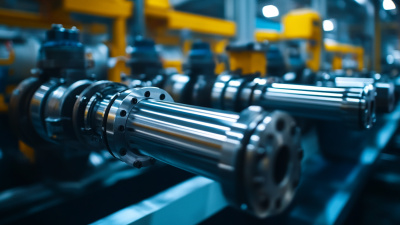
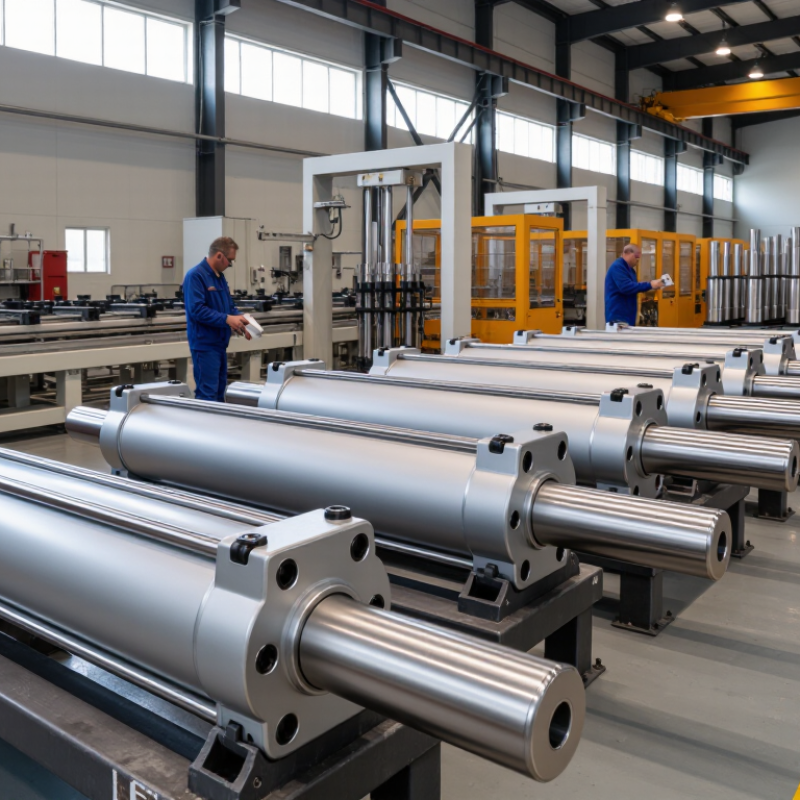
China’s hydraulic cylinder industry includes large production facilities and smaller specialist workshops. Their capabilities can differ in machining accuracy, testing equipment, and production volume. Typical processes include tube honing, piston-rod grinding, seal installation, and pressure testing. These steps influence leakage resistance, smooth movement, and service life. Small details matter.
Manufacturers commonly supply cylinders for construction machinery, agricultural equipment, material handling, and industrial systems. Buyers often compare bore and stroke dimensions, operating pressure, mounting style, and corrosion protection. A clear drawing and a defined duty cycle help reduce specification errors. Ask how samples are inspected and whether test records can be provided for the required order. A polished catalogue is not proof of consistent production.
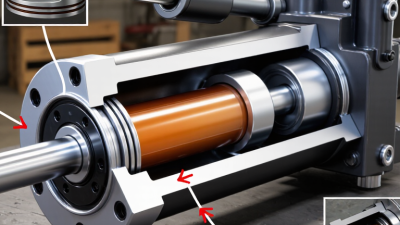
Quality also depends on parts that receive less attention, including seals, welds, and surface finishes. Some facilities may offer customization, but lead times and inspection methods vary. Numbers alone mislead. A useful supplier review should connect documented tests with the actual working conditions, such as load changes, temperature, and operating frequency. Even then, field performance can reveal issues that factory checks miss.
How to Evaluate Chinese Hydraulic Cylinder Manufacturers
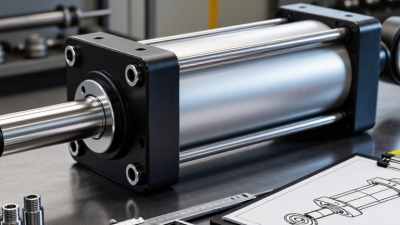
Evaluate a Chinese hydraulic cylinder manufacturer through evidence, not presentation. Ask for drawings, material specifications, and inspection records for the cylinder model you plan to buy. Check whether the stated bore, rod diameter, stroke, mounting points, and working pressure match your application. Small differences can cause installation delays or uneven loading. A polished brochure is not enough.
Review how the supplier controls production. Request examples of pressure-test records, dimensional inspection results, and material traceability documents. Ask how technicians inspect welds and piston-rod surface finish, and how they select seals for temperature and fluid conditions. If possible, inspect a sample cylinder or arrange a factory visit. Look for clean machining, consistent markings, and protected ports. Details matter. Still, one sample cannot prove every production run is consistent.
Discuss reliability in practical terms. Ask for the expected duty cycle, test method, warranty scope, spare-part availability, and response time for technical questions. Compare answers with the written quotation and drawings. Vague promises deserve follow-up. I would also ask what failure patterns the factory has seen and how designs were adjusted; some answers may remain incomplete, which is a reason to verify, not assume. A clear change-control process can reduce surprises when specifications are revised.
Key Products, Technologies, and Industries Served
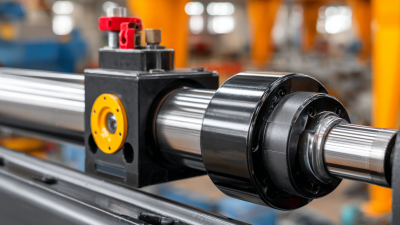
Chinese hydraulic cylinder manufacturers serve equipment builders with standard and custom actuators. Common products include tie-rod, welded, telescopic, and compact cylinders. Each suits different loads and installation spaces. A telescopic cylinder can extend a dump body through several stages, while a compact unit fits tight machine frames. Selection depends on stroke, bore, pressure, mounting style, and duty cycle. Details matter.
Production capabilities may include tube honing, rod finishing, seal-groove machining, and controlled assembly. Reliable suppliers document pressure tests, dimensional checks, and material traceability; ask for records tied to the production lot. Some use simulation to assess side loads or fatigue, but a model cannot replace field testing. Cylinders serve construction machinery, farm equipment, lifting platforms, mining systems, and factory automation. Dust, impact, and temperature can expose weak seals or poor alignment. A specification sheet rarely captures every condition.
Tips: Share a drawing, load profile, stroke, and operating temperature. Request test criteria and spare-seal details. Check service access before ordering. Small oversights can become costly delays.
How to Compare Suppliers for Your Application
Top Hydraulic Cylinder Manufacturers in China
How to Compare Suppliers for Your Application
A useful supplier comparison starts with your machine, not a catalog. Record the required pressure, stroke length, mounting points, operating speed, and daily cycle count. Note whether the cylinder will face dust, moisture, heat, or side loading. These details affect seal selection, rod protection, and service life. Fit matters. Compare drawings and tolerances, not just headline specifications. A small difference in pin spacing can turn an otherwise suitable cylinder into a costly installation problem.
Ask each supplier for material details, inspection procedures, and pressure-test records. Check whether drawings, sample units, and production parts follow the same specifications. Clear answers about lead times, spare seals, and warranty coverage also matter. A polished catalog is not proof of consistent production, so verify claims with documents and, where practical, a sample review. Some comparisons are imperfect; suppliers may use different test methods, making direct figures harder to interpret.
Tips: Send the same written requirements to every supplier. Request a drawing with critical dimensions marked. Ask how the cylinder performs under your actual load and duty cycle. Keep communication in writing, and clarify any assumptions before ordering. A low quote can look attractive, but confirm what testing and support it includes.