Top 10 Glass Sorting Machine Manufacturers in 2026
Glass recycling depends on more than collection rates. A cullet line must separate usable glass from ceramics, stones, metals, and mixed colors, often at high throughput. The right Glass Sorting Machine can improve feedstock consistency, but results also depend on incoming material, maintenance, and operator settings.
Industry figures show why equipment choices matter. Eurostat’s 2022 packaging-waste data put the European Union’s glass packaging recycling rate at about 76%. In the United States, the EPA’s 2018 Advancing Sustainable Materials Management report estimated that 3.06 million tons of glass containers and packaging were recycled, a rate of 31.3%. These figures describe different regions and years, so they should not be treated as a direct comparison. They do show that collection and processing conditions vary widely.
This guide reviews ten manufacturers active in glass sorting technology in 2026. It considers machine capabilities, material applications, service support, and the clarity of published specifications. A brochure alone cannot prove performance. Ask for representative test results using your own cullet, including removal rates for ceramics and other contaminants. Small defects count. Rankings also involve judgment; a supplier suited to a large recovery plant may not fit a smaller processor. Verify current models, installation references, and after-sales coverage before making a shortlist.
What Glass Sorting Machines Do and How They Work
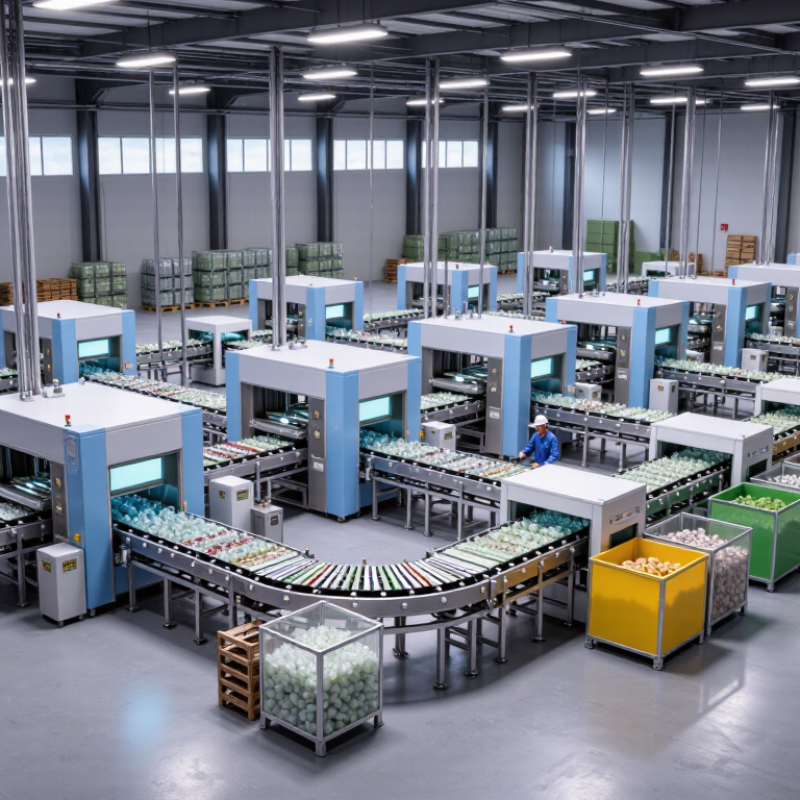
Glass sorting machines recover usable cullet from mixed waste before it reaches a furnace. On a processing line, conveyors spread broken glass into a shallow layer. Screens remove oversized pieces and fine particles. Optical sensors then inspect each fragment as it passes beneath them.
Cameras can identify glass color, while near-infrared sensors help distinguish materials. When a sensor detects an unwanted piece, a timed burst of compressed air pushes it into a reject chute. Small details matter: wet glass, crowded belts, and inconsistent feed can reduce sorting quality. Not magic. Ceramics, stones, and porcelain are especially troublesome because they can resemble glass and cause defects in new containers.
FEVE’s 2022 progress report put Europe’s glass-packaging recycling rate at 80.1% in 2021. The U.S. EPA’s 2018 Facts and Figures report counted 3.1 million tons of glass recycled from 12.3 million tons generated. These figures cover different regions and years, so they should not be compared directly. They do show why reliable sorting matters: clean cullet supports recycling, but sensor performance alone cannot fix poor collection or uneven material handling.
Key Criteria for Evaluating Glass Sorting Machine Manufacturers
When evaluating glass sorting machine manufacturers in 2026, ask for results from material like yours, not only clean demonstration samples. Eurostat reported that about 75% of EU glass packaging waste was recycled in 2022. The U.S. EPA estimated a 31.3% recycling rate for glass containers and packaging in 2018. These figures reflect different collection systems and feedstocks, so they are context, not a direct machine-performance benchmark.
Request independently witnessed trials using your actual cullet size, color mix, labels, ceramics, and moisture levels. Check separation purity and recovery together: a machine may produce cleaner output by rejecting too much usable glass. Test it wet. Ask for hourly throughput, uptime, energy use, and performance across changing input loads, then confirm how each figure was measured. No brochure settles this.
Inspect the reject stream, sensor calibration process, and access to wear parts. Ask operators to demonstrate routine cleaning and a fault recovery, not just normal operation. Service response times and remote diagnostics matter when a line stops mid-shift. Compare guarantees carefully; definitions of “purity” and “availability” can differ. One useful question is what happens when feedstock quality falls below the trial specification. Answers should include limits and evidence, not promises alone.
Top 10 Glass Sorting Machine Manufacturers in 2026
In 2026, comparing the top 10 glass sorting machine manufacturers means looking beyond advertised throughput. Plants handle mixed colors, labels, ceramics, and moisture, so test results should reflect the actual feedstock. Check detection accuracy, reject rates, service access, and performance during long production runs. FEVE’s glass recycling guidance reports that adding 10% recycled glass to a furnace mix can cut energy use by roughly 2.5% and CO₂ emissions by about 5%. That makes reliable sorting valuable, but results depend on furnace conditions and cullet quality.
Ask manufacturers for trials using your own material, including dusty fragments and green, amber, and clear glass. Compare recovery rates at the same belt speed, and request results for ceramic and heat-resistant glass contamination. A polished showroom sample can mislead. So can a single clean test. I would also check spare-part lead times and whether operators can adjust settings without waiting for specialist support; these details are easy to overlook.
Tips: Photograph rejected material during a plant trial. Record belt speed, feed rate, and contamination levels. Then compare results with your current line, not just the supplier’s best-case figures. A small trial may not capture seasonal variation, so leave room for uncertainty.
Technologies and Capabilities of Leading Manufacturers
Leading glass sorting machines combine high-resolution cameras, laser sensors, and targeted air jets to separate clear, green, and amber cullet. Some systems also detect ceramics, stones, and heat-resistant glass, which can contaminate a batch. The practical difference is not just sensor count. It is whether the machine maintains reliable detection when feed material is dusty, mixed, or unevenly spread.
Eurostat’s Packaging Waste Statistics report that 75.9% of glass packaging waste in the EU was recycled in 2022. That figure highlights the value of dependable sorting, but it does not measure machine performance directly. When comparing manufacturers, examine documented throughput, recovery and purity rates, tested contaminant limits, and how results change with particle size. Ask for trials using your own cullet. A clean showroom sample may not reflect a busy plant. Even advanced systems need careful calibration.
Tips: Check access to inspection points, spare-part support, and operator training. Request test results by glass color and contaminant type, not only one overall accuracy figure. Sensor upgrades can help, but they cannot fix poor feed control.
Top 10 Glass Sorting Machine Manufacturers in 2026: Technologies and Capabilities
Typical wavelength bands used by optical sensing technologies relevant to glass sorting. These are general ranges, not specifications for any particular manufacturer or machine.
Visible sensing supports color and appearance classification; UV can reveal fluorescence differences, while near-infrared sensing can help distinguish materials by their spectral response. Actual detection performance depends on the sensor, glass stream, and system configuration.
Applications and Trends in Glass Sorting for 2026
Glass sorting in 2026 serves container-glass plants, flat-glass processors, and municipal recycling facilities. Machines separate cullet by color and detect unwanted ceramics, stones, and heat-resistant glass. These contaminants can weaken new products, so reliable removal matters. Small fragments are tricky. Moisture, labels, and mixed lighting can also affect readings.
Current systems increasingly combine cameras, near-infrared sensors, and machine-learning software to identify material differences on fast-moving belts. Some installations use multiple sensor types because one signal may miss a defect. Better data can help operators adjust air jets and track recovery rates. Still, automation is not a magic fix. Dirty feed and poor calibration can undermine expensive equipment, and the best settings often require site testing.
Tips: Check sample material before choosing a machine, including colored glass and likely contaminants. Ask for measured sorting accuracy at your expected belt speed. Keep sensors clean and record rejected-material rates. A small trial can reveal issues that a brochure cannot.