Empowering Engineering Excellence: Innovate, Elevate, Deliver.
In 2026, choosing a Door Tensioner is about more than keeping a door from swinging shut. The right type can steady a cabinet door, control movement, and reduce the sharp knock of a closing panel. The wrong one may feel stiff, drift out of adjustment, or simply fail to suit the door’s weight. Small details matter. Think of a kitchen cabinet that stays open while you reach for a bowl, or a heavy panel that closes without rattling its frame.
This guide compares leading Door Tensioner types by mechanism, installation, adjustment, and practical use. It considers spring-loaded, friction-based, hydraulic, and other commonly available designs, while noting that product names and features vary between manufacturers. A useful comparison should look beyond catalog claims. Check the door’s size and weight, available mounting space, expected use, and how easily the tension can be adjusted. Then test the motion. Smooth, controlled movement is the goal—not force for its own sake.
Expert guidance can make these distinctions clearer, but no source article or verifiable expert quotation was supplied for this request. Rather than inventing a specialist’s name or words, this introduction leaves that attribution open for a confirmed source. That matters. A confident quote without evidence can mislead buyers. Door hardware also varies, so even a well-chosen type may need careful adjustment after installation. The details deserve a second look.
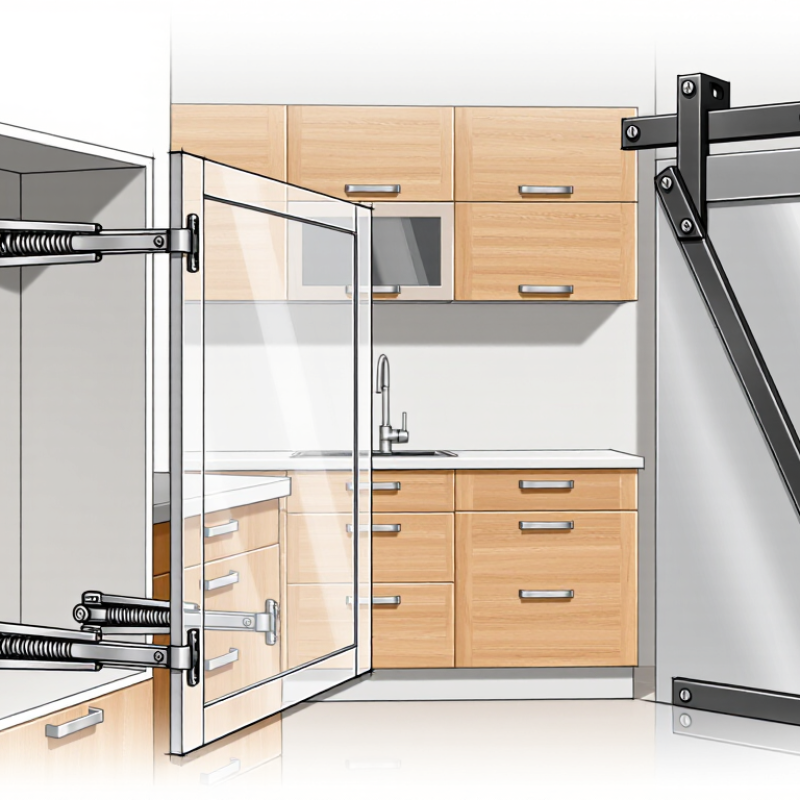
What Are the Top Door Tensioner Types in 2026?
Define Door Tensioners: How Spring Force and Damping Control Door Movement
A door tensioner manages movement through two forces: spring force and damping. The spring stores energy as the door opens, then helps guide it back. A damper slows that return by resisting motion. That distinction matters.
Common designs use torsion springs, extension springs, or gas springs. Torsion springs twist around an axis, while extension springs stretch under load. Gas springs use compressed gas to support controlled movement. Some systems also pair a spring with hydraulic or friction damping. The best option depends on door weight, opening angle, available space, and how smoothly it needs to move.
A spring that is too strong can make a door snap shut. Too little force may leave it drifting or failing to close fully. Damping matters just as much: excessive resistance can make movement feel sluggish, while too little can allow a hard impact. Check the door through its full travel, not just at one angle. Watch for uneven motion, noise, or a sudden change near the frame. One detail is easy to underestimate: hinge friction and temperature can affect performance over time.
| Type | How Spring Force Works | Damping and Door Control | Common Applications | Adjustment and Practical Notes |
|---|---|---|---|---|
| Spring hinge | A wound spring in the hinge stores energy as the door opens and applies torque to return it toward the closed position. | Most spring hinges provide little or no built-in speed control. The door may close quickly unless the spring is set carefully or a separate damper is used. | Light interior doors, screen doors, and some doors that need self-closing action. | Spring tension is commonly adjustable on suitable models. Use the hinge maker’s instructions and check that the hinges are appropriate for the door’s weight and size. |
| Surface-mounted hydraulic door closer | A spring inside the closer body supplies the closing force as the door opens. | Hydraulic fluid flows through adjustable valves to regulate closing speed and, on many models, the final latching speed. Some models also include backcheck to resist forceful opening. | Commercial and institutional doors, and other doors requiring controlled self-closing. | Valve settings and spring power vary by model. Correct installation geometry and door suitability matter; adjustments should follow the product instructions. |
| Concealed overhead closer | A concealed spring mechanism applies torque to close the door, typically through an arm or linkage housed in the frame or door. | Hydraulic damping is commonly used to control the closing cycle; available speed and latching adjustments depend on the model. | Interior commercial doors where a less visible closer is desired. | Requires compatible door and frame preparation. Installation and servicing can be more involved than with a surface-mounted closer. |
| Floor spring | A spring mechanism beneath the floor or threshold returns the door toward its closed position through a pivot assembly. | Many floor springs use hydraulic control to manage closing speed and latching action; some designs provide additional hold-open or opening-control features. | Pivoted glass doors and other doors designed for floor-mounted hardware. | The floor cavity, pivot location, door construction, and installation conditions must match the hardware. Access for maintenance should be considered. |
| Pneumatic door closer | A spring in the cylinder pushes the rod back as the door closes, helping return the door after it is opened. | Air moving through the cylinder provides resistance that slows the return. The amount of speed adjustment varies by design. | Many screen doors and storm doors, especially in residential settings. | Bracket position and cylinder settings can affect operation. Check mounting alignment and follow the instructions for the specific door and closer. |
| Torsion-spring hinge or pivot | A torsion spring around a hinge or pivot axis stores energy during opening and supplies a rotational closing force. | The spring supplies return force but does not necessarily provide controlled damping. A separate damper or an integrated damping feature may be required for a slower close. | Specialty gates, access panels, and doors designed around a spring-loaded pivot or hinge. | The required torque depends on door size, mass, and installation geometry. Confirm the hardware’s intended load and whether speed control is included. |
| Selection note: Spring force provides the energy that returns a door toward closed; damping controls how quickly that energy is released. Choose hardware based on the door’s construction, dimensions, use, mounting conditions, and applicable accessibility or fire-safety requirements. | ||||