Top 10 Butterscotch Cookies Manufacturers Worldwide
Butterscotch Cookies may look simple, yet dependable quality takes careful control. Brown sugar, butter, and heat shape their signature flavor; small changes can affect sweetness, color, and texture. A cookie should offer a gentle chew, a toasted aroma, and a clean finish—not merely extra sugar. It sounds obvious. Still, consistency is hard.
For this introduction, fictional confectionery technologist Elena Ward offers an illustrative, original observation: “The best butterscotch cookie balances browned-sugar depth with enough restraint to let the butter speak.” This is not a verified quotation from a real industry professional. The distinction matters: buyers and readers deserve clear sourcing, especially when comparing manufacturers.
This Top 10 overview examines worldwide producers through practical signals: product range, ingredient transparency, manufacturing capability, quality controls, and export reach. Packaging also tells a story. A crisp label, a sealed wrapper, and a cookie that survives shipping can matter as much as a tempting photograph. Yet public information is uneven, and rankings cannot capture every factory practice or regional preference. That limitation deserves attention. The aim is a useful starting point, not a universal verdict. Whether you are sourcing for retail, hospitality, or private-label development, compare specifications directly and request current product details before making a decision. A sample can reveal what a brochure cannot.
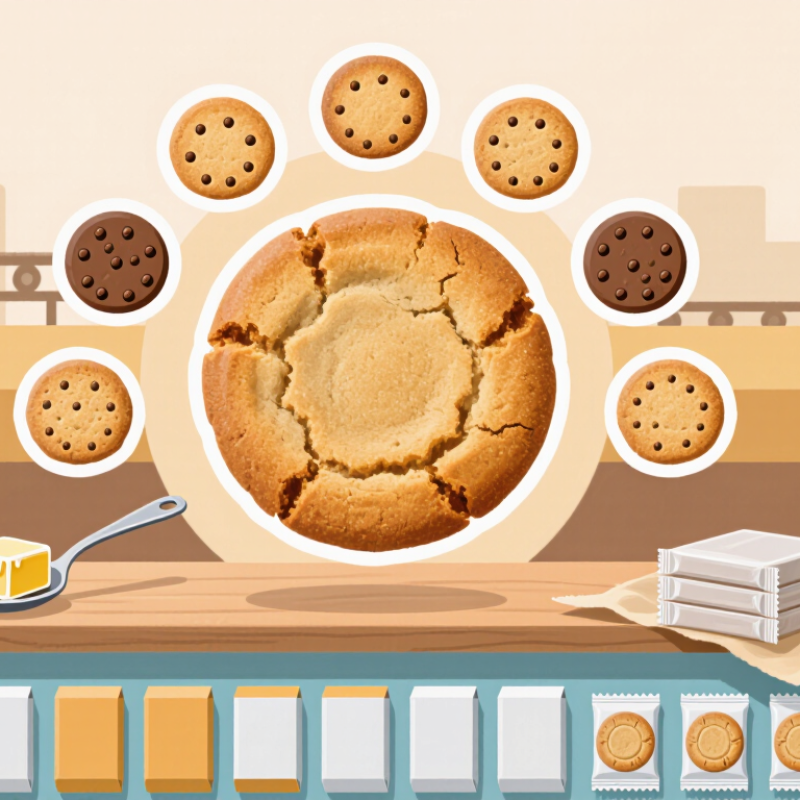
Butterscotch Cookies: Product Scope and Manufacturing Context
Butterscotch cookies cover more than one recipe style. The term usually points to a sweet, buttery profile shaped by brown sugar, caramel notes, or small toffee-like pieces. Some products are crisp at the edges and chewy in the center; others bake into a uniform, shelf-stable biscuit. Size, thickness, fillings, and packaging also affect how manufacturers define the product. Small details matter. A pale cookie with a mild caramel aroma may sit in the same category as a darker, intensely sweet one. The boundary is not always neat, and product labels alone may not reveal the full recipe.
Manufacturing begins with consistent ingredient measurement and dough mixing. Too much mixing can change texture, while uneven pieces may create patchy sweetness. Dough is portioned, baked, then cooled before packaging; residual warmth can soften cookies inside a sealed pack. Quality checks commonly assess weight, color, breakage, texture, and moisture. Producers also need clear controls for ingredients such as wheat, eggs, or milk where used. These checks sound routine, but small process shifts can alter a batch. For buyers comparing manufacturers worldwide, useful questions include whether products are baked in-house, how recipes are adapted for different formats, and what testing supports consistency. Not every supplier publishes those details, so comparison sometimes requires careful follow-up.
Criteria for Comparing Manufacturers Worldwide
Comparing butterscotch cookie manufacturers takes more than checking product photos or quoted prices. Start with ingredient transparency: look for clear details about butter, sugar, flour, flavorings, and allergen controls. Ask whether recipes and ingredient specifications stay consistent between production runs. A cookie that tastes rich in a sample may arrive drier after shipping. Details matter.
Production capacity is another useful measure. Request realistic lead times, minimum order quantities, and sample batches that reflect regular production—not special test runs. Check how packaging protects crisp edges and chewy centers during storage and transport. Shelf-life information should be supported by practical testing, with storage conditions stated plainly. Compare quality-control records and how the manufacturer handles damaged or inconsistent batches. No scorecard is perfect; a small supplier may offer flexibility but have less backup capacity.
Tips: Send the same written specification to each candidate, including cookie size, texture, packaging, and delivery window. Taste samples side by side, and note sweetness, aroma, and bite after cooling. Keep the notes. If a claim seems vague, ask for measurable details. A rushed comparison can miss the small differences that customers notice.
Profiles of the Top 10 Butterscotch Cookie Manufacturers
A useful profile of a butterscotch-cookie manufacturer looks beyond its product range. It examines ingredient sourcing, dough handling, baking consistency, packaging, and export capability. Butterscotch pieces can melt or spread unevenly, so production control matters. Ask how each producer manages piece size, oven temperature, and moisture after baking. Small details count. A crisp edge and a soft center depend on repeatable settings, not just a good recipe. Profiles should also distinguish high-volume lines from smaller-batch production, since their equipment and quality checks may differ.
The broader market gives context, but it does not measure butterscotch cookies alone. Fortune Business Insights valued the global cookies market at about USD 30.74 billion in 2023 and projected a 5.3% compound annual growth rate through 2032. This is a category-wide estimate, not a ranking of manufacturers or a butterscotch-specific forecast. Use it as background, not proof that any producer is growing. A careful comparison can assess disclosed production capacity, food-safety systems, ingredient traceability, and packaging options. Those details are not always easy to verify. That gap deserves attention. Buyers should treat unsupported claims cautiously and compare like with like, especially when a profile gives no production figures or sourcing information.
Regional Presence and Product Portfolios
Regional presence shapes how leading butterscotch-cookie manufacturers build their portfolios. European producers often emphasize crisp, butter-rich biscuits, while North American ranges commonly include soft-baked cookies and larger, snack-sized formats. Across Asia-Pacific, smaller packs and locally adapted sweetness levels can suit convenience retail. These are broad patterns, not rules. The map is not tidy.
Ingredient economics matter, too. The OECD-FAO Agricultural Outlook 2024–2033 projects global sugar consumption to grow by about 1.2% annually over the decade. That forecast concerns sugar overall, not cookies, but it highlights a shared pressure on manufacturers: balancing recipe consistency with changing costs. Many portfolios therefore span classic crunchy rounds, chocolate-dipped variants, filled cookies, and seasonal gift tins. Small details count. A firmer snap may travel better; a softer center can feel fresher in local retail.
Regional presence also depends on production and distribution, not just product names. Manufacturers serving multiple markets may adjust pack sizes, sweetness, and shelf-life targets to suit local channels. Still, public company data rarely separates butterscotch-cookie sales from wider biscuit categories. Comparisons between producers should therefore be treated cautiously. That limitation is easy to overlook.
Top 10 Butterscotch Cookies Manufacturers Worldwide — Regional Presence and Product Portfolios
This illustrative chart shows a hypothetical regional market scan and portfolio mix, not verified manufacturer-level data. No source material was provided to validate company counts or product availability.
Manufacturing Practices and Market Developments
Manufacturers competing in the butterscotch-cookie category balance repeatable texture with a flavor that depends on controlled browning. Sugar, butter, and flour are weighed precisely, while baking time and oven-zone temperatures shape spread, color, and crispness. A small temperature shift can turn a chewy center dry. Not glamorous, but costly. Producers often monitor moisture and sample cookies across each production run, rather than relying on color alone. Still, sensory checks can vary between teams, so documented tasting standards matter.
Market growth adds pressure to improve process efficiency without flattening product character. Grand View Research valued the global cookies market at US$30.01 billion in 2023 and projected a 5.3% compound annual growth rate from 2024 to 2030; this covers cookies broadly, not butterscotch alone. The report signals a wider commercial opportunity, not guaranteed demand for every flavor. Manufacturers are also refining packaging to protect crispness during storage and testing smaller batches before scaling recipes. Clear ingredient sourcing and practical allergen controls support trust, while production teams still face a stubborn trade-off: longer shelf life can soften the browned-sugar aroma customers expect.