Empowering Engineering Excellence: Innovate, Elevate, Deliver.
Silicone Ink plays a practical role in printing on flexible products, including silicone rubber keypads, wristbands, and wearable components. For global buyers, choosing a supplier involves more than comparing prices. Ink must suit the substrate, printing method, curing conditions, and intended use. Small differences can affect adhesion, color consistency, and resistance to rubbing.
This guide introduces ten Chinese manufacturers for buyers seeking potential sourcing partners. It focuses on useful comparison points: product range, technical support, sample availability, quality controls, and export communication. Ask suppliers for current technical data sheets and test samples. Check how the ink behaves on your own material, using your production process where possible. A polished catalogue is not proof of a stable production line. Details matter.
Treat the list as a starting point, not a guaranteed ranking or endorsement. Supplier capabilities can change, and a suitable ink for one application may fail on another. Request clear information about curing requirements, recommended substrates, batch consistency, and packaging before placing an order. It is also sensible to confirm lead times and discuss how defects or specification changes are handled. Some comparisons may remain imperfect when public information is limited. A careful trial can reveal more than a sales claim.
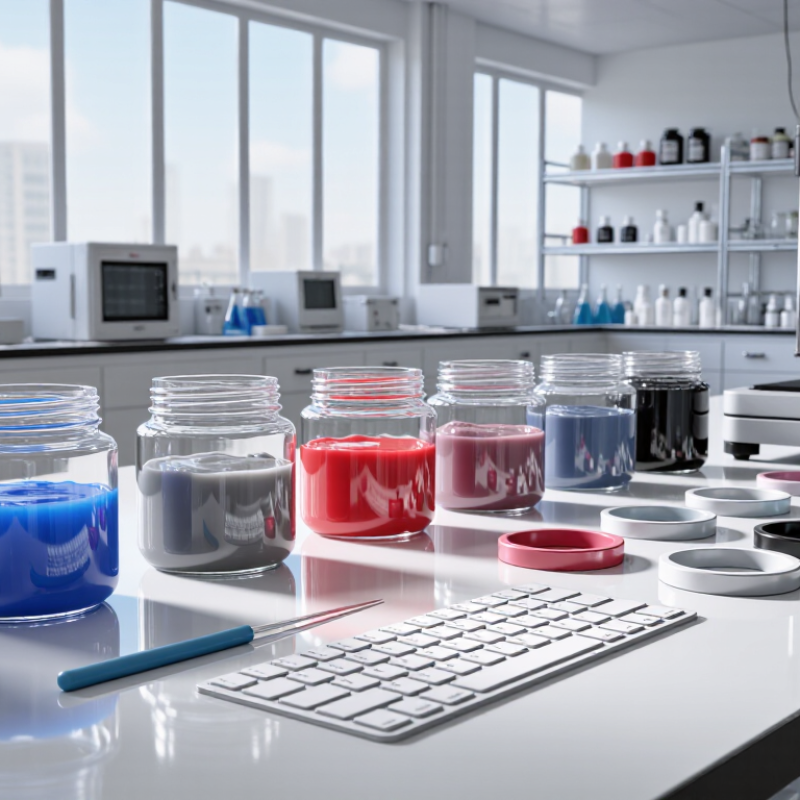
Silicone inks are printing formulations made with silicone polymers and pigments. They are valued for flexibility, stretch recovery, and resistance to cracking when applied and cured correctly. On textile, they can create a smooth, raised, or softly textured print. A cured design may feel like a thin, flexible layer rather than a stiff patch.
Their role is especially useful on stretch fabrics, where ordinary prints may split as the garment moves. Silicone ink can help a graphic follow the fabric across a sleeve or waistband. Results still depend on the fabric’s finish, ink thickness, mesh, and curing conditions. There is no universal setting. A print that looks clean on a flat sample may feel heavy on a finished garment. That matters.
Tips: Test a small fabric panel before production. Check adhesion, stretch, wash performance, and hand feel after curing. Follow the ink’s technical data sheet, and record temperature and dwell time. Small tests help. If the print feels tacky or loses detail, review the cure profile and application thickness before changing several variables at once.
Buyer note: This table provides ten practical technical and sourcing criteria for comparing suppliers. It does not rank or identify companies; product specifications and processing conditions vary by formulation and should be confirmed in the supplier’s technical data sheet (TDS).
| No. | Comparison dimension | What buyers should know | Why it matters in textile printing | Evidence to request from a supplier |
|---|---|---|---|---|
| 1 | Ink definition | Silicone textile inks are silicone-based printing materials formulated to form a flexible printed layer on a substrate after curing. They are distinct from conventional plastisol and water-based ink systems. | The cured silicone layer can provide a soft, elastic print suitable for applications where stretch and surface feel are important. | Product TDS identifying the ink chemistry, intended substrate, and recommended application method. |
| 2 | Textile applications | Common use cases include screen-printed designs on stretch fabrics and performance apparel; suitability depends on the ink grade and fabric construction. | Fabric composition, weave or knit, dyes, and finishes can affect adhesion, appearance, and durability. | Application guidance and test results on fabrics similar to the buyer’s production material. |
| 3 | Ink system | Some silicone inks are supplied as multi-component systems that require mixing before use. Components and mixing ratios are formulation-specific. | Incorrect mixing or handling can affect pot life, print consistency, and curing. | Mixing instructions, component identification, shelf-life information, and post-mixing usable time. |
| 4 | Curing requirements | Curing conditions, including temperature and dwell time, vary by product and substrate. There is no single cure schedule that applies to all silicone inks. | Insufficient or excessive heat can compromise print performance or damage heat-sensitive textiles. | Product-specific cure schedule and a recommended method for checking cure on the intended fabric. |
| 5 | Stretch and recovery | Silicone formulations can be designed for flexible prints, but stretch performance depends on the ink, print construction, and textile. | A print that does not accommodate fabric movement may crack, distort, or feel unsuitable in wear. | Stretch and recovery test method, test conditions, and results for the proposed ink and fabric combination. |
| 6 | Adhesion and preparation | Adhesion is substrate-dependent. Fabric finishes, dyes, contaminants, and pretreatment can influence bonding. | Production trials help identify compatibility issues before full-scale printing. | Surface-preparation instructions and adhesion test results on representative production materials. |
| 7 | Print method and equipment | Silicone inks are commonly used in screen-printing workflows, but mesh, stencil, squeegee, and print settings must match the specific formulation. | Equipment compatibility affects deposit, edge definition, layer build, and repeatability. | Recommended screen and process parameters, plus guidance on cleaning and equipment compatibility. |
| 8 | Wash and wear performance | Wash durability is a testable property, not a universal guarantee; results depend on curing, fabric, print design, and test conditions. | Testing helps assess whether a print is fit for its intended garment use and care instructions. | Wash-test method, number of cycles, evaluation criteria, and results for a comparable application. |
| 9 | Color and effect range | Available colors and special effects depend on the product range. Pigments and effect additives may affect processing or final appearance. | Color matching and effect consistency are important for repeat orders and multi-color designs. | Color-matching process, physical samples, and confirmation of compatibility between base inks and additives. |
| 10 | Quality and export documentation | Documentation and compliance status should be checked for the exact product and destination market; requirements differ by application and jurisdiction. | Reliable batch control and accurate documentation support safer handling, import checks, and consistent production. | Current SDS, TDS, batch traceability details, quality-control records, and applicable compliance declarations. |