Top 10 Industrial Adhesive Types for Global Buyers
Choosing an Industrial Adhesive is rarely a matter of picking the strongest product on a supplier’s list. Global buyers must match chemistry, substrate, curing conditions, joint design, and production speed. A bonding line beside a dusty warehouse behaves differently from a controlled electronics plant. Small details matter. Temperature swings, surface oils, vibration, and packaging can change results. This guide introduces ten industrial adhesive types used across manufacturing, construction, automotive, electronics, packaging, and renewable-energy applications. It considers epoxy, polyurethane, acrylic, cyanoacrylate, silicone, hot-melt, anaerobic, contact, pressure-sensitive, and phenolic systems. Each type offers practical advantages, but none solves every bonding problem.
Reliable sourcing requires more than a technical data sheet. Experienced purchasing teams review viscosity, open time, cure method, shelf life, bond strength, chemical resistance, and application equipment. They also ask suppliers for batch traceability, test data, safety documentation, and realistic lead-time information. A laboratory result may look impressive, yet production can expose weak surface preparation or inconsistent dispensing. That is where many projects become expensive. Buyers should test representative materials under actual humidity, temperature, loading, and cleaning conditions. Even then, results need periodic review because suppliers may change formulations or manufacturing sites. This overview is practical, not absolute. Some recommendations may need adjustment. The right choice depends on the complete assembly, not a single performance number. By comparing these ten adhesive categories carefully, readers can make more defensible decisions, reduce avoidable waste, and build stronger supplier conversations across international markets.
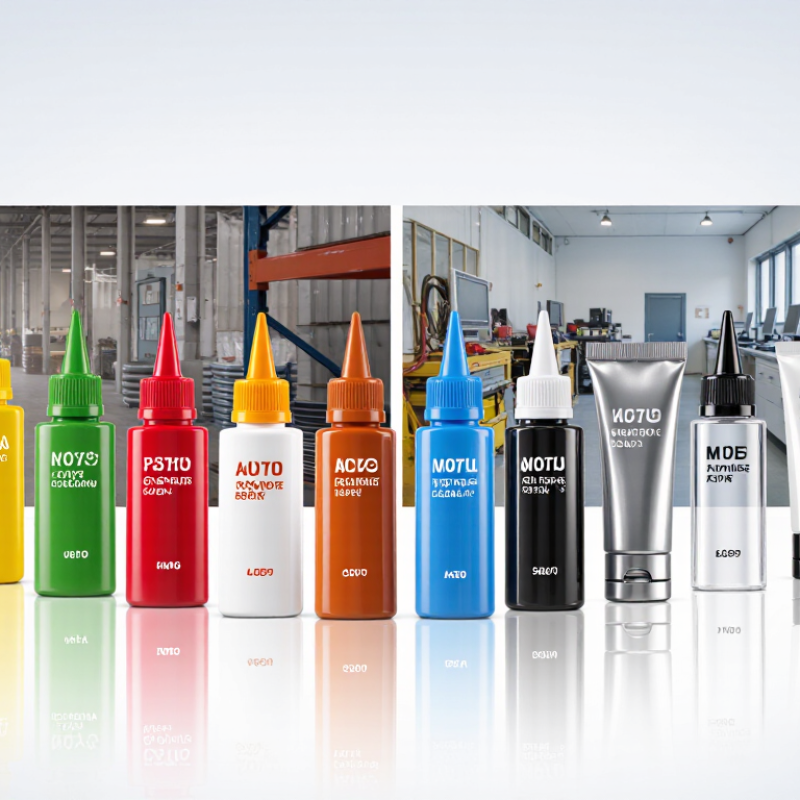
Industrial Adhesives: Definition, Functions, and Key Classification Principles
Top 10 Industrial Adhesive Types for Global Buyers
Industrial Adhesives: Definition, Functions, and Key Classification Principles
Industrial adhesives join surfaces through chemical or physical bonding. They can replace screws, welds, and rivets in many production environments. Their functions include load transfer, sealing, vibration control, and surface protection. In practical plant audits, engineers usually evaluate bond strength, curing speed, temperature resistance, and ease of application.
The ten common types include:
Epoxies Acrylics Cyanoacrylates Polyurethanes Silicones Hot melts Pressure-sensitive adhesives Anaerobic adhesives Solvent-based formulas Water-based formulas
Classification depends on chemistry, curing mechanism, substrate, operating temperature, and environmental exposure. A 2024 Grand View Research report valued the broader global adhesives and sealants market at about USD 76 billion in 2023. It also projected continued growth through 2030. However, market figures vary between reports. Definitions are not always consistent. That deserves attention.
Tips: Match the adhesive to the failure risk, not only the material. Metal-to-metal bonding may need high shear strength. Flexible plastic parts may need elongation and impact resistance. Check surface preparation, open time, cure conditions, and storage life before purchasing. A small trial panel can reveal hidden problems. It is not perfect, but it is cheaper than a failed production run.
Ten Major Industrial Adhesive Types and Their Core Characteristics
Top 10 Industrial Adhesive Types for Global Buyers
Ten Major Industrial Adhesive Types and Their Core Characteristics
Industrial adhesive selection starts with the joint, not the product label.
Epoxy delivers high strength and fills gaps, but it needs careful mixing and cure time.
Polyurethane remains flexible and bonds dissimilar materials, though moisture and temperature affect performance.
Acrylic adhesives cure quickly and resist impact, making them useful for metals and composites.
Cyanoacrylate sets in seconds. It suits small, close-fitting parts, not large gaps.
Silicone stays elastic across wide temperature ranges and handles vibration well. Its lower structural strength is easy to overlook.
Hot-melt adhesives offer fast processing and no solvent evaporation. They work well in packaging, textiles, and assembly, but soften under heat.
Pressure-sensitive adhesives bond on contact and support labels, tapes, and films. Surface cleanliness matters greatly.
Anaerobic adhesives cure between close metal surfaces without air. They serve threaded fasteners and flanges, yet need suitable metal contact.
Phenolic adhesives tolerate heat and provide durable structural bonds in engineered wood and friction materials. Their cure conditions can complicate production.
Rubber-based contact adhesives provide flexible bonds and strong initial grab. They suit laminates, footwear components, and general assembly. However, oil, heat, and aging resistance require verification.
In production trials, a bond that looks perfect after one hour may fail after humidity cycling. Test peel, shear, temperature, aging, and chemical exposure on actual substrates. No adhesive wins every test. Small changes in surface preparation may matter more than advertised strength.
Performance Comparison Across Strength, Temperature, Curing, and Durability
Global buyers often compare ten industrial adhesive types: epoxy, cyanoacrylate, polyurethane, silicone, acrylic, anaerobic, hot-melt, rubber-based, phenolic, and MS polymer. Their performance differs sharply across strength, temperature, curing speed, and durability. Epoxy delivers high shear strength and strong chemical resistance. Phenolic systems tolerate heat well, but they may require pressure and controlled curing. Cyanoacrylate cures within seconds, although brittle joints can fail under impact or moisture.
Temperature changes the decision. Silicone remains flexible across wide temperature ranges and handles movement well. Polyurethane also absorbs vibration, but its moisture sensitivity requires careful storage. Acrylic adhesives cure quickly and bond many substrates, while anaerobic products work effectively on close-fitting metal threads and flanges. Hot-melt adhesive offers fast processing, yet sustained heat can soften the bond. These differences matter on a factory floor, not only in a laboratory.
Durability depends on surface preparation, joint design, and actual service conditions. Clean, dry surfaces usually improve consistency. Roughening metal can increase mechanical grip, but excessive abrasion may introduce contamination. Buyers should test peel, shear, aging, and thermal cycling with production materials. I have seen strong laboratory bonds fail after repeated expansion and contraction. That result is easy to overlook. Curing time also needs practical verification, because temperature, humidity, bond thickness, and fixture pressure can change results. A reliable comparison should include both initial strength and performance after months of exposure. A perfect adhesive does not exist.
International Purchasing Factors: Standards, Packaging, Supply, and Compliance
Top 10 Industrial Adhesive Types for Global Buyers
International adhesive purchasing starts with the application, not the catalog. Buyers should compare epoxy, polyurethane, acrylic, cyanoacrylate, silicone, hot-melt, anaerobic, rubber-based, starch-based, and pressure-sensitive systems. MarketsandMarkets reported that the global adhesives market was valued at about USD 76 billion in 2023. This scale increases supplier choice, but also increases quality risk.
Standards must match the end use. Request technical data sheets, safety data sheets, batch certificates, and test methods such as ISO 4587 for lap-shear strength. For electrical or automotive applications, buyers may also need RoHS, REACH, or sector-specific declarations. A certificate alone is not proof. Independent testing and production samples remain important. Small differences in viscosity can affect automated dispensing and curing.
Packaging influences supply reliability. One- and five-gallon pails suit controlled production, while cartridges reduce exposure during manual assembly. Check seal integrity, lot coding, shelf life, and temperature limits before shipment. The International Safe Transit Association emphasizes testing for vibration, compression, and impact during distribution. That matters when adhesive arrives after weeks in a hot container. The World Bank’s Logistics Performance Index also shows how customs and transport quality vary widely between markets. Buyers should confirm Incoterms, export documents, storage conditions, and replacement procedures. A weakness in many purchasing plans is assuming that one specification fits every country. It rarely does.
Top 10 Industrial Adhesive Types for Global Buyers
Indicative maximum continuous service temperature by adhesive chemistry. Actual performance depends on formulation, substrate, joint design, curing conditions, and exposure environment.
International purchasing factors include applicable standards such as ASTM, ISO, EN, and industry-specific requirements; packaging formats such as cartridges, pails, drums, and totes; supply considerations including shelf life, lead time, storage temperature, and hazardous-goods transport; and compliance documentation such as SDS, technical data sheets, VOC declarations, REACH, and GHS labeling.
Reference basis: commonly published technical ranges for industrial adhesive chemistries; values are indicative screening data rather than product specifications.