7 Tips for Choosing Gravity Conveyor Manufacturers
Gravity conveyors look simple: rollers, frames, and a slope. Yet the wrong choice can cause stalled cartons, awkward loading, or wasted floor space. A line that runs smoothly in a catalog may behave differently beside a packing bench or around a tight corner. Loads arrive in varied shapes and weights. Small mismatches matter. A carton with a soft base may sag between rollers, while a narrow tote may track poorly on a wide bed. When comparing Gravity Conveyor Manufacturers, buyers should look beyond price and product photos. The useful questions concern load limits, dimensions, finishes, layout support, and replacement parts.
This guide introduces seven practical ways to assess a potential supplier. It considers whether the manufacturer asks about carton sizes, daily volume, incline, and operator access before recommending equipment. It also looks at drawings, sample testing, installation guidance, and after-sales support. Ask for clear specifications. A supplier’s answers should be specific enough to compare, not just reassuring. Still, no checklist can predict every site condition. That is worth admitting. Dust, uneven floors, or changing package sizes can affect performance, and early assumptions sometimes prove wrong. A careful selection process leaves room to verify details on site, adjust the design, and document what the conveyor must handle. Done well, that preparation helps teams choose equipment suited to real work, not just a neat drawing.
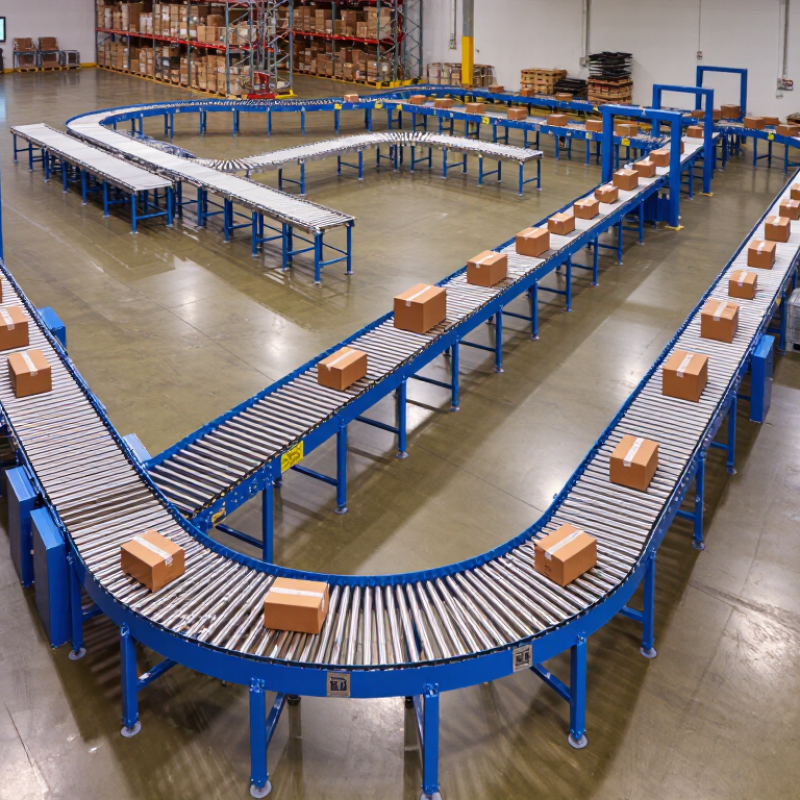
Define Your Gravity Conveyor Requirements and Operating Conditions
Tip: Define the product before comparing gravity conveyor manufacturers. Record each item’s weight, length, width, base shape, and packaging condition. A rigid carton may roll smoothly, while a soft bag can sag or catch between rollers. Note the heaviest load and the smallest item; both affect roller spacing and frame selection.
Tip: Map the operating conditions where the conveyor will actually run. Measure the available floor space, working height, slope, and transfer points. Describe daily volume, peak periods, and whether workers will load or unload by hand. Include dust, moisture, temperature changes, and washdown needs. Even a slight floor slope can change how quickly cartons move, so do not rely only on a layout drawing.
Tip: Give manufacturers realistic examples, not just a target capacity. Share a simple product list, photos of package bottoms, and the busiest expected operating pattern. Ask how they determine roller diameter, spacing, and allowable load, and request the assumptions behind their recommendations. Check access for clearing jams and replacing rollers. A neat specification can still miss a detail—perhaps one unusual carton—so review the proposed design against actual products before approving it.
Evaluate Manufacturer Expertise, Product Range, and Design Capability
Choosing a gravity conveyor manufacturer starts with engineering evidence, not a polished catalog. Ask how the team assesses carton weight, base condition, dimensions, slope, and daily volume. These details affect roller spacing and whether loads move smoothly or stall. Small details matter. Request references for installations handling similar products and operating conditions. A capable supplier should explain its assumptions and show how it tests them.
Product range matters, but breadth alone proves little. Check for suitable rollers or skate wheels, curves, supports, side guides, and braking options. Ask how these components fit together at transfers and workstations. Grand View Research’s Conveyor System Market Size report estimated the global conveyor system market at USD 7.9 billion in 2022 and projected 4.3% annual growth through 2030. That market estimate is not specific to gravity conveyors, so it cannot confirm demand for any one design. Still, it highlights why careful supplier evaluation matters. Review the manufacturer’s layout drawings, load calculations, and maintenance access plans. I would treat any sizing calculator as a starting point, not a final design. Ask for a sample test with your actual cartons, especially if their bases vary or loads are awkward. The test may expose assumptions that look fine on paper.
Check Materials, Build Quality, Safety Standards, and Testing
When comparing gravity conveyor manufacturers, ask what each roller, frame, and bearing is made from. Steel frames can suit heavier loads, while aluminum may be easier to move and resist corrosion in some settings. The right choice depends on load weight, humidity, cleaning routines, and how often equipment will be repositioned. Ask for material specifications, not just a general “heavy-duty” description. That phrase can mean very different things.
Inspect the build details. Look for even welds, smooth roller rotation, secure end caps, and frames that sit level on the floor. Small gaps or sharp edges can cause problems during daily handling. Check that the stated capacity applies to your load size and conveyor spacing. Safety matters, too. Ask how the design controls pinch points, unstable loads, and unintended movement on sloped sections. Request relevant test records or inspection documents, then confirm what was tested and under which conditions. A demo with your actual carton or tote size can reveal issues a brochure misses. Tests are not magic. Conditions vary. If specifications are unclear, ask the manufacturer to put the limits and maintenance needs in writing.
7 Tips for Choosing Gravity Conveyor Manufacturers: Compare Materials
Typical nominal densities are approximately 7,850 kg/m³ for carbon steel, 2,700 kg/m³ for 6061 aluminum, and 950 kg/m³ for HDPE. Actual values vary by grade. Density alone does not determine conveyor capacity or suitability; ask manufacturers to verify load ratings, construction quality, applicable safety standards, and test results for your application.
Compare Customization, Installation Support, and After-Sales Service
Choosing a gravity conveyor manufacturer starts with the product, but the details matter. Share your carton sizes, weights, throughput, and floor plan. Ask whether the supplier can adjust roller pitch, frame width, stops, and transfer sections. A sample layout should show loading points and worker access, not just conveyor lines. If your cartons vary widely, request a test with actual loads. A smooth demonstration with one box proves little.
Installation support deserves equal scrutiny. Confirm who checks floor levels, anchors frames, and trains operators. Ask for a schedule, commissioning checklist, and clear handover documents. MHI’s 2024 Annual Industry Report found that 55% of surveyed supply-chain professionals planned to increase technology investment over five years. That broad survey is not specific to gravity conveyors, but it highlights why supplier guidance matters when equipment must fit a changing operation. Ask what support is included—and what costs extra.
After-sales service is where vague promises become costly. Request written response times, warranty terms, and availability of replacement rollers, bearings, and side guides. Find out whether troubleshooting is remote or on-site, and who pays for travel. A practical question: can the supplier identify a worn roller from a photo and part number? A polished proposal can still omit routine maintenance needs. I’d compare the service details line by line, even if that feels tedious.
Review Customer References, Lead Times, and Total Ownership Costs
Tip 1: Speak with two or three customers using similar loads, shifts, and floor conditions. Ask whether rollers stayed aligned, jams were easy to clear, and service arrived when promised. Request references from installations operating for at least a year, not only recent projects. MHI’s 2024 Annual Industry Report found that 55% of surveyed supply-chain leaders planned to increase technology investment in 2024. That makes careful supplier checks more important, not less.
Tip 2: Get lead times in writing. Ask when production starts, what could delay shipment, and whether spare rollers are stocked locally. A quoted delivery date may not include installation or commissioning. Ask for a schedule with milestones. Small details matter. If the line serves a busy packing area, even a short delay can leave cartons waiting beside the conveyor.
Tip 3: Compare total ownership costs, not just purchase prices. Include freight, supports, installation labor, replacement rollers, cleaning, and expected downtime. Request maintenance intervals and parts pricing for the first five years. A lower quote can become costly if parts take weeks to arrive. Be cautious with exact savings promises; actual costs depend on load, use, and site conditions. Check the assumptions behind each estimate before comparing bids.