Top 10 Things You Should Know About Chlortetracycline Premix?
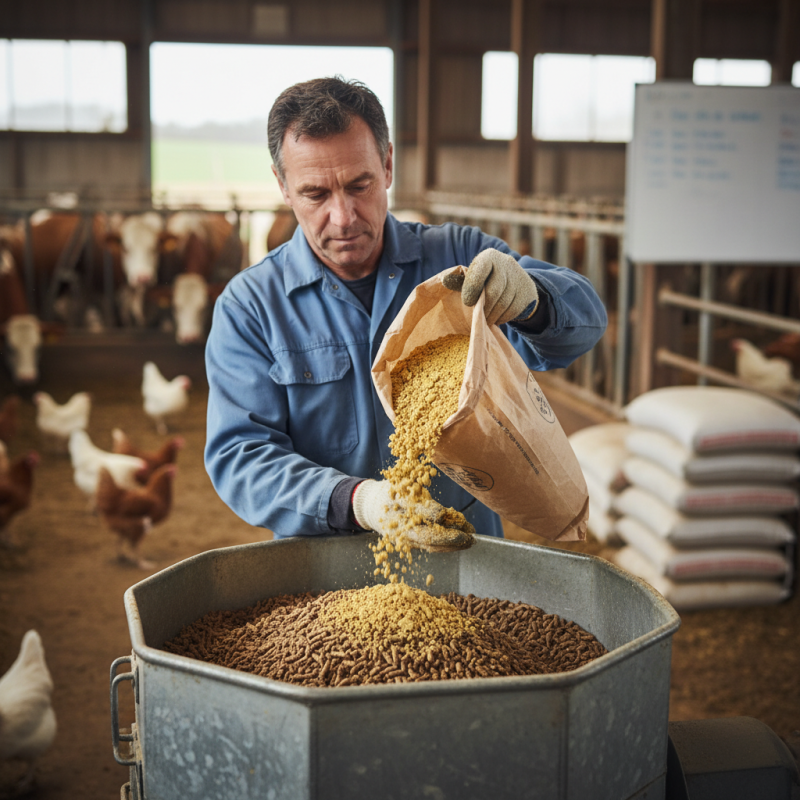
chlortetracycline premix is an essential product in the livestock industry. It serves as an antibiotic used for disease prevention. Many farmers rely on it for their herds and flocks. However, understanding its proper use is crucial.
This premix should be incorporated into animal feed. Appropriate dosages can ensure effectiveness. Misuse, however, can lead to resistance issues. Farmers need to carefully follow guidelines. Overuse can harm animal health and the environment.
The benefits of chlortetracycline premix are clear, but so are its challenges. Awareness of potential side effects is vital. Not all animals respond the same way. Each farm has unique needs, and one size does not fit all. It's essential to reflect on the implications of using this antibiotic. Responsible management is key to moving forward.
Understanding Chlortetracycline Premix: Chemical Composition and Mechanisms
Chlortetracycline premix is primarily utilized in animal health. It contains chlortetracycline, a broad-spectrum antibiotic. This compound works by inhibiting protein synthesis in bacteria. Understanding its chemical composition is crucial for effective use.
This premix typically comprises chlortetracycline hydrochloride and various excipients. The concentration of chlortetracycline can range from 50 to 200 grams per kilogram. This variation affects its efficacy against different pathogens. Studies indicate that proper dosing can reduce antibiotic resistance.
Tips: Always consult a veterinarian before use. Monitor the health of animals regularly. Consider the potential impact on gut microbiota. Overuse could lead to resistance, challenging future treatments. Being vigilant helps in avoiding these repercussions.
Additionally, the method of action involves disrupting bacterial ribosomes, which can lead to side effects in some animals. It's essential to understand how these effects may vary across species. Quality control during manufacturing ensures the integrity of the active ingredient.
Staying informed about these aspects is essential. Antimicrobial stewardship plays a critical role in using chlortetracycline responsibly. Balancing effectiveness and safety requires continuous reflection on practices within the industry.
Key Applications of Chlortetracycline Premix in Veterinary Medicine
Chlortetracycline premix is essential in veterinary medicine. It is primarily used as an antibiotic for livestock. Farmers often depend on this compound to treat infections effectively. Common conditions include respiratory infections and skin infections in animals. When used properly, it can lead to quicker recoveries and improved animal health.
In addition to treating diseases, chlortetracycline premix plays a role in disease prevention. It helps in controlling specific bacteria in feed. This preventive measure can lead to healthier livestock. However, there are ongoing discussions about its overuse. Overreliance can contribute to antibiotic resistance. Monitoring usage carefully is crucial to maintain its effectiveness.
Veterinarians must also consider the withdrawal periods before slaughter. Improper use may lead to residues in meat. This can pose risks for human consumers. Education about proper dosages and application methods is vital. More research is needed to understand the long-term impacts. Every veterinary practice should reevaluate their strategies regarding chlortetracycline.
Dosage Guidelines and Recommended Use in Livestock Nutrition
When considering chlortetracycline premix for livestock, dosage is crucial. Each animal has different nutritional needs. Correct dosing ensures effective results. Excess or insufficient dosage could harm the animals. It's essential to follow guidelines closely to avoid negative outcomes.
For instance, poultry often requires different amounts compared to cattle or pigs. A typical dosage for chickens might range from 200 to 400 grams per ton of feed. In contrast, pigs might need doses around 100 to 200 grams per ton. These variations can significantly affect growth and overall health. Animals may show different reactions depending on the dosage given.
Monitoring animal health is vital when using chlortetracycline. Regular check-ins help identify any adverse effects early. Adjusting the dosage might be necessary based on observations. This ensures the animals remain healthy and receive the proper nutrition they need for growth. Remember, working too rigidly with dosage may lead to unforeseen issues. Flexibility and observation are key to successful livestock management.
Potential Side Effects and Resistance Issues in Animal Health
Chlortetracycline is commonly used in veterinary medicine. It helps treat bacterial infections in animals. However, potential side effects exist. These can include gastrointestinal upset and allergic reactions. Animals may experience nausea, vomiting, or diarrhea. Observing any changes in behavior is crucial.
Resistance issues present another concern. Overuse of chlortetracycline can lead to resistant bacterial strains. This poses a significant challenge for future treatments. Resistance develops when bacteria adapt and survive despite the drug. It’s essential to use chlortetracycline judiciously.
Veterinarians face a dilemma: balancing efficacy with the risk of resistance. Regular monitoring of animals on this medication is necessary. Reviewing treatment protocols can provide insights into its proper use. Educating pet owners about the risks also plays a vital role. Not enough attention is given to the long-term impacts of these medications. Understanding these aspects can lead to healthier animals.
Regulatory Standards and Approval Processes for Chlortetracycline Use
Chlortetracycline premix is subject to strict regulatory standards. Governments assess its safety and effectiveness before approval. This process ensures that the drug meets required health standards. Companies must submit detailed data on its use. This includes how it affects the animals treated.
Approval can take time. Regulatory bodies review all data thoroughly. They check for any potential side effects. If issues arise, companies may need to conduct more studies. This can delay the product’s market entry. Quick approval is not always guaranteed. It is essential for safeguarding animal health.
Transparency is crucial throughout the approval process. There are guidelines to ensure traceability of the drug. However, not all companies comply fully. Some might rush their documentation. This can lead to inconsistencies. It’s a reminder that diligence is vital in the pharmaceutical industry.