What is Reflective Workwear and Why is it Important?
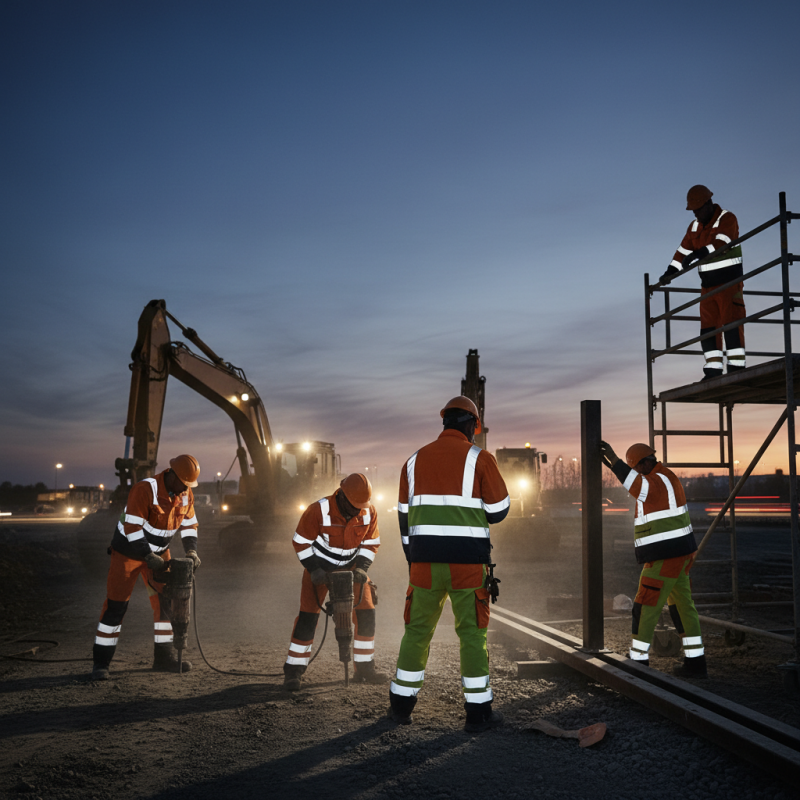
reflective workwear plays a crucial role in many industries. This type of clothing ensures visibility and safety for workers, especially in hazardous environments. Imagine a construction site at dusk. Workers wearing reflective gear stand out against low light. This visibility helps prevent accidents and injuries.
The importance of reflective workwear extends beyond mere aesthetics. It can be life-saving. In heavy traffic zones, or areas with poor lighting, wearing reflective clothing can mean the difference between safety and danger. Employers must prioritize equipping their teams with the right gear. However, not all reflective workwear is created equal. Some might lack durability, comfort, or proper visibility. These issues demand attention and reflection from both manufacturers and users.
Reflective workwear reflects more than just light; it reflects our commitment to safety. Yet, with the increasing variety on the market, choosing the right options can be tricky. We must evaluate the needs of the job, the environment, and the unique conditions faced. It’s essential to engage in thoughtful discussions about what truly makes reflective workwear effective and safe.
Definition of Reflective Workwear and Its Key Features
Reflective workwear is designed to enhance visibility in low-light conditions. It typically features bright colors and reflective strips. These elements make workers more noticeable, especially in hazardous environments. According to industry reports, wearing reflective clothing can reduce accidents by up to 50% in specific sectors. This stark statistic highlights the crucial role of visibility in worker safety.
Key features of reflective workwear include high-visibility materials and durable construction. The materials used must withstand various weather conditions, ensuring longevity. Often, these garments undergo rigorous testing for brightness and durability. Regulations often dictate standards for these products. For instance, classes of reflective clothing exist based on the intended working environment. Despite these standards, some workers still overlook the importance of proper gear.
A common oversight is the fit and condition of the workwear. Ill-fitting or damaged clothing could impede safety features. Shockingly, a study showed that 30% of workers did not replace worn-out gear regularly. This gap poses a significant risk. It underscores the need for continual education on the importance of reflective workwear. Workers must prioritize their safety by ensuring their gear remains functional and compliant with regulations.
Importance of Visibility in Hazardous Work Environments
Visibility is critical in hazardous work environments. Workers often face risks from heavy machinery, moving vehicles, and unpredictable weather conditions. Reflective workwear can significantly enhance a worker's visibility, reducing the chances of accidents. Bright colors and reflective strips make workers stand out, even in low-light situations.
Imagine construction sites bustling with activity. Workers dart between heavy machinery, where visibility is limited. In such scenarios, wearing reflective gear can mean the difference between safety and danger. Accidents happen quickly. A worker standing in a blind spot may not be noticed until it's too late. Reflective materials help mitigate this risk effectively.
However, not all reflective workwear is created equal. Some garments may fade quickly or lack sufficient reflective coverage. This inconsistency can undermine the purpose of wearing such gear. Organizations should regularly evaluate the effectiveness of their workwear. It’s crucial to choose options that genuinely enhance visibility and safety. Striving for improvement in this area can lead to safer, more productive work environments.
Types of Reflective Materials Used in Workwear
Reflective workwear is crucial for ensuring safety in varied work environments. Different types of reflective materials are used to create effective workwear. These materials enhance visibility, especially in low-light and hazardous situations. According to the International Organization for Standardization (ISO), reflective materials can increase a worker's visibility by up to 300% at night. This statistic highlights the importance of proper materials in workwear.
Common types of reflective materials include retroreflective fabrics and fluorescent dyes. Retroreflective materials reflect light back to its source. This makes wearers more visible to oncoming traffic or machinery. Fluorescent materials, on the other hand, absorb light and emit it, making them visible even in dim settings. A report from the Occupational Safety and Health Administration (OSHA) states that visibility issues are a leading cause of workplace accidents.
There is room for improvement in the adoption of these materials. Not all work environments prioritize reflective clothing. This oversight can lead to serious accidents or health risks. Limited awareness about the importance of safety gear is another barrier. Many workers simply don't understand the benefits of reflective workwear. Efforts to educate and promote the use of these materials are essential for enhancing workplace safety.
What is Reflective Workwear and Why is it Important?
| Type of Reflective Material | Characteristics | Applications | Benefits |
| Retroreflective Material | Bounces light back to its source | Construction, Road Works | High visibility in low light |
| Fluorescent Material | Enhances visibility in daylight | Outdoor Events, Emergency Services | Highly visible during the day |
| Reflective Tape | Adhesive, easy to apply | Safety Vests, Vehicle Markings | Customizable, cost-effective |
| Sewn-in Reflective Strips | Durable and long-lasting | Workwear, Uniforms | Enhanced durability and visibility |
Regulations and Standards Governing Reflective Workwear
Reflective workwear plays a crucial role in various industries. Regulations and standards ensure that these garments provide necessary visibility to workers. Often, these standards are set by national and international bodies. They outline minimum requirements for color and reflective materials. For example, high-visibility apparel usually features fluorescent colors like yellow or orange.
Compliance with these regulations is vital. Workers in construction, roadwork, and emergency services face risks daily. The right workwear can make a difference. Yet, too many outfits fail to meet these standards. A simple oversight can lead to accidents. Employers should regularly review their workwear choices. Ensuring compliance protects employees and enhances safety.
The impact of reflective workwear is profound. It not only meets regulations but also promotes a culture of safety. Workers feel more secure when visible. However, some may feel uncomfortable in bulky garments. Striking a balance between comfort and compliance is essential. Often, finding the right fit requires reflection and adjustment over time. It’s worth considering both aesthetics and functionality in these choices.
Reflective Workwear Compliance by Regulation Type
Benefits of Wearing Reflective Workwear for Worker Safety
Reflective workwear plays a crucial role in ensuring worker safety, particularly in high-visibility environments. According to the Centers for Disease Control and Prevention, nearly 4,000 fatal workplace injuries occur annually in the U.S. Many of these incidents happen in poorly lit areas. Reflective workwear greatly enhances visibility, significantly reducing the risk of accidents.
Wearing reflective materials can increase a worker's visibility by more than 50%. This statistic highlights the importance of proper gear in construction sites, road work, and warehousing. These environments often involve moving vehicles and heavy machinery. The lack of visibility can lead to tragic incidents. Workers who wear reflective gear are more likely to be seen by drivers and machinery operators, creating a safer workplace.
However, some workers still neglect to wear reflective clothing, citing discomfort or perceived bulkiness. This reluctance can lead to dire consequences. Studies show that workers involved in accidents in low-visibility conditions suffer more severe injuries. Thus, it is vital for employers to address concerns about comfort while emphasizing the importance of safety gear.