Empowering Engineering Excellence: Innovate, Elevate, Deliver.

What Is a Pneumatic Breaker and How Does It Work?

A Pneumatic Breaker converts compressed air into rapid piston movement, creating repeated impact energy for concrete, asphalt, masonry, and compacted soil. Inside the housing, a valve directs air above and below the piston. The piston then strikes the tool bit, often thousands of times per minute. Simple in principle. Demanding in practice.

The global pneumatic tools market was valued at approximately USD 3.5 billion in 2023, according to Global Market Insights’ Pneumatic Tools Market analysis. The report also identifies construction, manufacturing, and maintenance as major application sectors. These figures provide useful context, but they do not reveal every jobsite reality. Air quality, hose length, working pressure, operator technique, and tool weight can change performance quickly. The U.S. Department of Energy also notes that compressed-air systems can represent a significant industrial energy load, making leaks and poor maintenance costly.

Mikael Andersson, an Atlas Copco pneumatic-tools specialist, describes the practical principle this way: “A pneumatic tool is only as effective as the air system supporting it.” That observation deserves attention. A powerful breaker connected to a restricted hose may feel surprisingly weak. Moisture can damage internal components. Excessive vibration can fatigue the operator before the material yields. This guide explains how a Pneumatic Breaker works, which components create its impact, and how to match air demand with real operating conditions. Some specifications look precise. Field performance is less perfect.
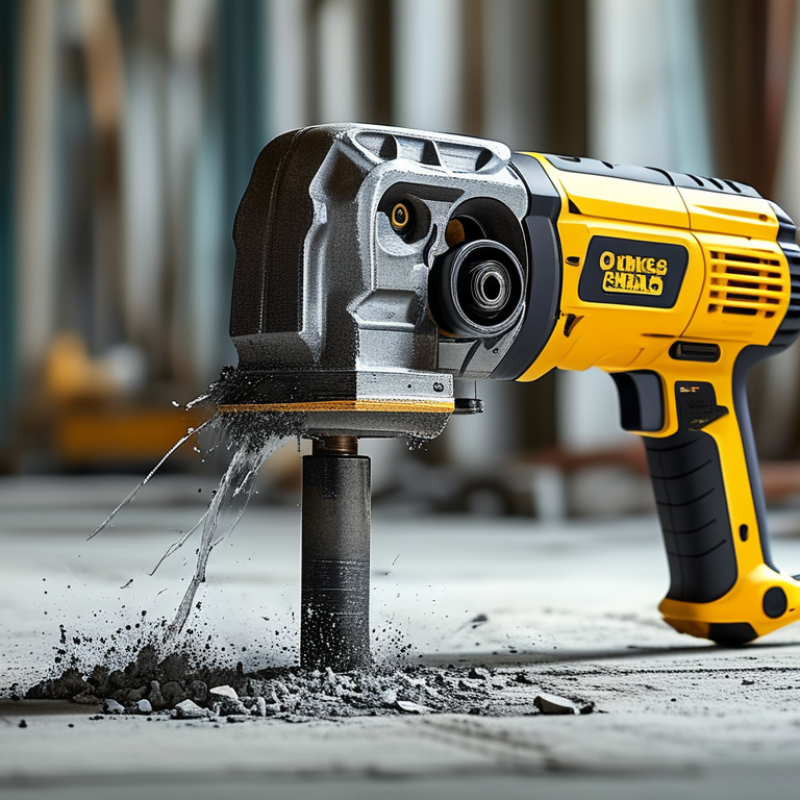
What Is a Pneumatic Breaker and How Does It Work?

Definition and Main Purpose of a Pneumatic Breaker

What Is a Pneumatic Breaker and How Does It Work?

Definition and Main Purpose of a Pneumatic Breaker

A pneumatic breaker is a heavy-duty impact tool powered by compressed air. Its main purpose is to fracture and remove hard materials, including concrete, asphalt, brick, and compacted stone. Unlike a rotary drill, it delivers repeated hammering force through a steel bit. This action creates cracks, allowing workers to lift and clear broken sections.

Inside the housing, compressed air moves a valve and drives a piston back and forth. The piston strikes the bit, while exhaust air leaves through ports in the tool. A compressor, secure hose, suitable couplings, and correct operating pressure are essential. Too little pressure reduces impact energy. Too much pressure can accelerate wear or damage seals. Short bursts often provide better control than continuous force. The tool can feel simple. It is not.

In practical work, operators choose the bit according to the material and cutting task. A pointed bit starts fractures, while a chisel bit helps split edges or channels. Regular inspection should cover the bit, retainer, hose, fittings, and air leaks. Hearing protection, eye protection, gloves, safety footwear, and stable footing reduce common risks. Pneumatic breakers are powerful, but they are not precision instruments. They may damage nearby surfaces or hidden structures. It is tempting to treat speed as proof of good work. Measured force, pauses, and site checks usually produce more reliable results.

Key Components and Their Functions

What Is a Pneumatic Breaker and How Does It Work?

A pneumatic breaker converts compressed air into repeated impact force. Air enters through the inlet and drives a reciprocating piston inside the cylinder. The piston strikes the working tool, such as a chisel or moil point. A control valve redirects air above and below the piston. This creates rapid, continuous blows.

Key Components and Their Functions

The air inlet and hose supply pressurized air. The trigger or throttle controls airflow and impact speed. The cylinder guides the piston and must retain pressure efficiently. The piston produces the impact energy. The tool retainer holds the chisel while allowing controlled movement. A spring or retainer mechanism reduces accidental tool release. Internal seals prevent air loss, although seals eventually wear. The muffler lowers exhaust noise and can reduce airborne debris. According to the U.S. Department of Energy’s Improving Compressed Air System Performance report, compressed air can consume about 10% of industrial electricity. Small leaks matter. DOE guidance also notes that leaks may waste 20–30% of compressor output in poorly maintained systems. This makes hose condition and fittings important, not minor details.

Tips: Check the tool retainer before every shift. Listen for hissing around fittings. Use the operating pressure specified by the equipment manual. Excess pressure may increase wear rather than productivity. Keep the air line clean and dry. In practice, technicians sometimes focus on the breaker and overlook the compressor, hose, or filter. That assumption deserves rethinking. Performance depends on the entire air path.

What Is a Pneumatic Breaker and How Does It Work?

Key components, their functions, and typical compressed-air consumption by breaker size.

How it works: Compressed air enters through the air inlet and passes the throttle valve. The valve directs air into the cylinder, where it drives the piston back and forth. The piston transfers impact energy to the tool bit, while the exhaust port releases used air. The chart shows representative air-consumption values at approximately 90 psi; actual requirements vary by tool design, operating pressure, material, and duty cycle.
Air Inlet

Connects the breaker to the compressed-air hose and supplies pressurized air.

Throttle Valve

Controls airflow and helps regulate the tool’s operating speed.

Cylinder and Piston

Convert compressed-air pressure into repeated reciprocating motion.

Tool Bit

Receives the piston’s impact and transfers it to concrete, rock, asphalt, or other material.

Exhaust Port

Discharges used air and supports the return phase of the piston cycle.

How Compressed Air Creates Impacting Force

What Is a Pneumatic Breaker and How Does It Work?

A pneumatic breaker uses compressed air to produce repeated striking force. It is common in construction, repair, and controlled demolition work. An air compressor sends pressurized air through a hose into the tool body. Inside, a valve directs the air above and below a piston. The piston moves rapidly inside a cylinder.

That movement creates the impact. When air pushes the piston downward, it drives a steel tool against concrete, stone, or asphalt. The valve then changes the airflow direction. Compressed air lifts the piston again, and the cycle repeats many times per second. Each blow transfers energy through the bit’s tip. The result feels sharp, heavy, and surprisingly mechanical.

In field use, hose diameter and air pressure affect performance. A narrow hose may restrict airflow, even when the compressor appears powerful. Moisture can also damage internal parts or reduce striking consistency. Experienced operators check connections, lubricate suitable components, and keep the tool aligned with the surface. Protective equipment remains essential because flying fragments and vibration create real risks.

The process sounds simple, but machines are less tidy in practice. A breaker may lose force when seals wear or the valve becomes dirty. I would not judge performance by noise alone. A loud tool is not always an efficient tool. Pressure readings, impact behavior, and unusual heat provide better clues. My explanation is not perfect, because breaker designs vary, and each model responds differently to air quality, maintenance, and working conditions.

What Is a Pneumatic Breaker and How Does It Work? - How Compressed Air Creates Impacting Force

Data Dimension Typical Data or Description How It Affects Performance
Power Source Compressed air supplied by an external air compressor Provides repeated piston movement without an electric motor or fuel engine in the tool.
Common Operating Pressure Approximately 5.5–7 bar (80–100 psi) Pressure must remain within the tool manufacturer’s specified range for reliable impact force and safe operation.
Air Consumption Typically about 20–50 cubic feet per minute (CFM), depending on tool size and duty cycle Determines the required compressor capacity, receiver size, hose diameter, and allowable working time.
Impact Rate Commonly around 1,000–2,000 blows per minute (BPM) A higher impact rate can improve material removal, provided each blow has sufficient energy.
Impact Energy Often approximately 20–50 joules per blow for medium-duty pneumatic breakers Higher energy per blow is better suited to concrete, masonry, asphalt, and other hard materials.
Main Internal Components Air inlet, control valve, cylinder, piston, impact surface, retainer, and working bit Each component contributes to directing air, accelerating the piston, transferring energy, and retaining the tool bit.
Air-to-Impact Sequence Air enters the cylinder, drives the piston, reverses the piston, and repeats the cycle The reciprocating piston repeatedly strikes the bit or an intermediate impact surface.
Force-Transfer Path Compressed air → piston motion → impact surface → bit → work material Efficient energy transfer produces concentrated stress that fractures or chips the material.
Suitable Materials Concrete, asphalt, brick, block, stone, frozen ground, and compacted soil Bit selection and impact energy should match the hardness, thickness, and structure of the material.
Common Bit Types Point bit, chisel bit, moil point, clay spade, and asphalt cutter The bit shape controls whether the tool breaks, cuts, separates, or penetrates the material.
Lubrication Requirement Usually requires pneumatic-tool oil supplied through an inline oiler or added manually Proper lubrication reduces wear, limits friction, and helps protect the piston and cylinder.
Air Preparation Use filtered, regulated, and suitably lubricated compressed air Clean and dry air helps prevent valve blockage, corrosion, freezing, and premature component failure.
Noise Level Often above 100 dB(A) during operation, depending on tool, bit, and material Hearing protection and appropriate noise-control measures are generally required.
Primary Advantages High power-to-weight ratio, robust design, and suitability for wet or hazardous areas The absence of an onboard electric motor can reduce ignition and electrical-shock concerns in suitable environments.
Main Operating Limitation Requires a correctly sized compressor, air hose, fittings, and continuous air supply Insufficient airflow or excessive pressure loss can reduce impact rate, force, and productivity.

Note: The numerical values are typical industry ranges for pneumatic breakers and vary by tool size, design, operating conditions, bit type, and material.

Step-by-Step Operation of a Pneumatic Breaker

A pneumatic breaker converts compressed air into repeated piston movement. The compressor sends air through a hose and inlet valve. When the trigger opens, pressure enters the cylinder and pushes the piston forward. The piston strikes the tool bit, transferring impact energy into concrete, asphalt, or stone. The valve then redirects air behind the piston. This drives it backward and prepares the next stroke. The cycle repeats.

In field maintenance, operators should inspect the hose, couplings, retainer, and bit before applying pressure. A loose connection can whip suddenly. A dry cylinder can also reduce performance and accelerate wear. Lubricated air helps, although excessive oil may contaminate the work area. Keep the bit aligned with the surface, using steady force rather than body weight. That small detail prevents inefficient rebound.

Noise and vibration require equal attention. UK HSE guidance identifies 2.5 m/s² A(8) as the hand-arm vibration action value and 5.0 m/s² as the exposure limit. OSHA’s Respirable Crystalline Silica standard sets a 50 μg/m³ eight-hour permissible exposure limit for construction work. Wet methods or suitable dust extraction can reduce airborne dust. Hearing protection remains necessary. The operator should rotate tasks and record exposure time, because “short jobs” often accumulate. This step is easy to underestimate. Misalignment, poor maintenance, and rushed handling can turn a simple impact cycle into avoidable downtime.

Common Applications, Benefits, and Limitations

What Is a Pneumatic Breaker and How Does It Work?

A pneumatic breaker uses compressed air to drive a piston against a chisel. The piston strikes repeatedly, transferring force into concrete, asphalt, or stone. An air hose connects the tool to a compressor, while internal valves control the striking cycle. Operators usually guide the breaker with both hands and keep their feet clear of flying fragments.

Common Applications, Benefits, and Limitations

Pneumatic breakers are used for removing concrete slabs, opening road surfaces, breaking masonry, and preparing trenches. They are useful in demolition areas where electric power may be inconvenient or unsafe. Their compact design allows access around foundations, pipes, and narrow work zones. They also tolerate demanding, continuous work when the compressor supplies enough air.

However, the tool depends heavily on compressor capacity and hose condition. Too little airflow can reduce impact energy and overheat the equipment. The work is noisy and creates strong vibration, so hearing and hand protection are essential. Dust can obscure the cutting line. Precision is limited, especially on thin surfaces or fragile structures. It is not a perfect tool. Some jobs still need a smaller electric tool or manual finishing.

Tips: Drain moisture from the air system before use. Inspect the chisel for cracks and secure the retainer. Keep the hose away from sharp debris and moving equipment. Use short work intervals when vibration becomes uncomfortable. In practice, results vary with material density, operator control, and compressor performance. A brief test cut can prevent unnecessary damage.

Article Source:

Download
Brochure