What is Plant Extract and How Can It Benefit Your Business?
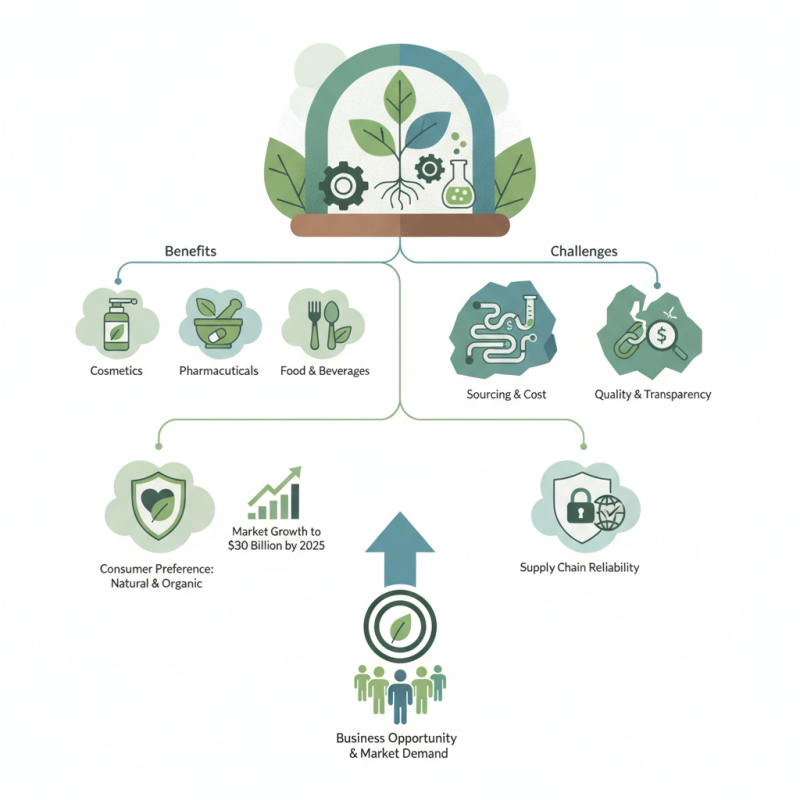
Plant Extracts are becoming increasingly significant in various industries. The global market for plant extracts is projected to reach $30 billion by 2025, according to a report by Global Industry Analysts. This growth underscores their growing importance in sectors like pharmaceuticals, cosmetics, and food and beverages. The rise in consumer preference for natural and organic products drives this demand.
Incorporating plant extracts into products can enhance their appeal. For example, many consumers are attracted to anti-inflammatory or antioxidant properties found in certain extracts. Nearly 70% of consumers prefer products made with natural ingredients, a trend noted by the Organic Trade Association. This preference not only reflects a shift in consumer behavior but also signifies an opportunity for businesses to differentiate themselves.
However, businesses should be aware of challenges. Sourcing high-quality plant extracts can be complex and costly. Not all extracts are created equal, and efficacy can vary widely. Companies need to ensure transparency and reliability in their supply chains. By addressing these concerns, businesses can better capitalize on the benefits of plant extracts and meet market demands effectively.
What is Plant Extract? A Comprehensive Overview
Plant extracts have gained popularity in various industries due to their numerous benefits. A plant extract is derived from the active compounds of plants, often using methods like distillation or solvent extraction. These extracts are rich in bioactive compounds that can offer health benefits. According to a report from Grand View Research, the global herbal extract market is projected to grow at a CAGR of 7.4% from 2022 to 2030. This demonstrates a rising demand for natural products, driven by consumers seeking alternatives to synthetic ingredients.
Incorporating plant extracts can enhance product formulations. For instance, essential oils from herbs like lavender and peppermint have been shown to possess antimicrobial properties. A study published in the Journal of Applied Microbiology emphasizes their efficacy against common pathogens. This offers a compelling case for businesses aiming to improve product safety and quality. However, while the benefits are clear, reliance on plant extracts also poses challenges. Sourcing quality materials and ensuring consistency can be problematic, leading to variable product outcomes.
Sustainability is another critical area. The increased demand may lead to overharvesting and biodiversity loss if not managed properly. Businesses should actively seek sustainable sourcing practices to protect plant species. Using plant extracts requires a balance between demand and environmental responsibility. This calls for ongoing reflection on ethical sourcing and long-term impacts on nature.
Types of Plant Extracts and Their Sources
Plant extracts are gaining popularity across various industries, particularly in food, cosmetics, and pharmaceuticals. The demand has surged due to the shift towards natural ingredients. According to a recent market analysis by Grand View Research, the global plant extract market is expected to reach USD 64.68 billion by 2025. This trend highlights the potential for businesses to tap into a thriving market.
Types of plant extracts vary widely. Essential oils, derived from leaves and flowers, offer aromatic benefits, while herbal extracts provide medicinal properties. For example, chamomile extract is renowned for its calming effects, and its use in skincare products has increased by 12% over the last year. Furthermore, phytochemicals such as flavonoids and alkaloids serve important functions in health supplements. These compounds are sourced from plants like green tea and ginseng, making them popular options.
However, the extraction process can be complex. Variability in plant quality and sourcing can affect potency and effectiveness. A 2021 study in the Journal of Natural Products noted that over 30% of herbal extracts do not meet quality standards. This highlights the necessity for businesses to prioritize quality over quantity when sourcing plant extracts. The right approach can influence product success and customer satisfaction significantly.
Key Benefits of Plant Extracts for Businesses
Plant extracts have gained significant traction in various sectors, especially in skincare and wellness. According to a recent market report, the global plant extracts market is projected to reach $50 billion by 2026, growing at a CAGR of 7.5%. This trend highlights the increasing demand for natural ingredients in consumer products. Businesses that incorporate plant extracts into their offerings can greatly enhance their appeal.
The benefits of plant extracts extend beyond mere aesthetics. They can improve product efficacy by providing natural antioxidants and anti-inflammatory properties. A study by the Journal of Medicinal Plants found that certain extracts, like those from green tea and chamomile, can enhance skin hydration by 40%. This can lead to higher customer satisfaction and loyalty. However, not all extracts are created equal. It's essential for businesses to ensure the quality and sourcing of their ingredients.
Employing plant extracts can also be a marketing advantage. Consumers are increasingly seeking sustainable and eco-friendly options. A report from Nielsen indicates that 66% of global consumers are willing to pay more for sustainable brands. This shift presents businesses with a unique opportunity. However, transparency in ingredient sourcing remains crucial. Companies must navigate these complexities to build trust and credibility with their audience.
Applications of Plant Extracts in Various Industries
Plant extracts have become increasingly popular across various industries due to their natural benefits and versatility. In the food industry, they serve as natural preservatives. For example, rosemary extract is known for its antioxidant properties, helping to prolong shelf life and enhance flavor. Restaurants and food manufacturers incorporate these extracts to improve product quality while appealing to health-conscious consumers.
In cosmetics, plant extracts play a crucial role as well. Ingredients like aloe vera and green tea are valued for their soothing and anti-aging effects. These extracts not only improve the effectiveness of skincare products but also align with the growing trend of organic and sustainable beauty. Consumers often seek products with recognizable, natural ingredients, making plant extracts a smart choice in formulation.
The pharmaceutical industry leverages plant extracts for their medicinal qualities. Many modern medicines stem from compounds found in plants. This connection promotes innovation, yet the challenge lies in the extraction process. Ensuring purity and efficacy requires precise techniques and expert knowledge. As industries continue to explore the potential of plant extracts, the demand for skilled professionals in this area rises. Balancing quality with safety remains a critical aspect.
How to Incorporate Plant Extracts into Your Business Strategy
Incorporating plant extracts into your business strategy can yield significant benefits. The global market for plant extracts is projected to reach $60 billion by 2025, growing at a CAGR of 7.7%. This trend indicates a rising consumer preference for natural ingredients in various industries like cosmetics, food, and pharmaceuticals. Businesses can leverage this shift by integrating plant extracts into their product lines.
Consider the diverse applications of plant extracts. Extracts such as aloe vera and green tea offer anti-inflammatory properties and antioxidant benefits. These can enhance skincare formulations, appealing to health-conscious consumers. An online survey by Grand View Research found that 60% of consumers prefer products with natural ingredients, highlighting a critical opportunity for brands willing to innovate.
However, businesses must also acknowledge the challenges. Sourcing high-quality extracts is crucial and can be complex. Fluctuating availability and pricing impact profitability. Conducting due diligence on suppliers is essential to ensure the reliability of materials. Embracing plant extracts requires a commitment to sustainability and transparency in sourcing practices. This can strengthen brand reputation and foster consumer trust.
What is Plant Extract and How Can It Benefit Your Business? - How to Incorporate Plant Extracts into Your Business Strategy
| Plant Extract | Primary Benefits | Industry Applications | Incorporation Strategies |
| Aloe Vera | Moisturizing, Healing Properties | Skincare, Health Supplements | Product Formulation, Marketing as Natural |
| Turmeric | Anti-inflammatory, Antioxidant | Food & Beverage, Supplements | Incorporate in Recipes, Highlight Health Benefits |
| Green Tea | Metabolism Boosting, Rich in Antioxidants | Beverages, Skincare | Functional Beverages, Wellness Product Lines |
| Lavender | Relaxation, Aromatherapy Benefits | Spa Products, Candles | Essential Oils, Scent Marketing |
| Peppermint | Digestive Aid, Refreshing Properties | Food, Beverages, Personal Care | Flavoring, Health Messaging |