What is a Hydraulic Crimping Tool and How Does It Work?
A Hydraulic Crimping Tool is essential in various industries. It helps create strong connections in cables and wires. Understanding this tool can improve efficiency in many tasks.
This tool uses hydraulic pressure to crimp connectors onto wires. It ensures a tight fit, which is crucial for electrical safety. Many people overlook the importance of proper crimping. A poor connection can lead to failure and unsafe conditions.
The operation of a Hydraulic Crimping Tool is straightforward yet powerful. It requires basic knowledge and skill. However, users must be cautious. Improper use can cause injuries or damage materials. Learning how to handle this tool effectively is key. It takes practice and patience to master.
What is a Hydraulic Crimping Tool?
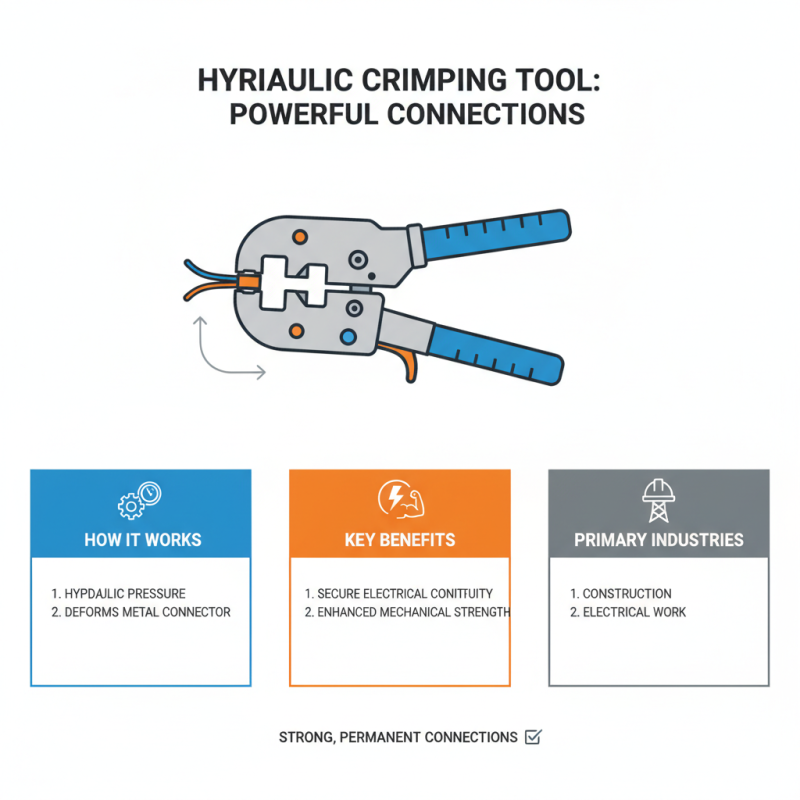
A hydraulic crimping tool is a specialized device used for creating strong, permanent connections in wire and cable. It operates using hydraulic pressure to deform a metal connector onto the end of a wire. This crimping process ensures electrical continuity and enhances mechanical strength. Many industries rely on this tool, especially in construction and electrical work.
When using a hydraulic crimping tool, it's essential to choose the correct size and type of connector. An improper fit can lead to weak connections. Always inspect the tool before use. Look for any signs of wear or damage. This helps ensure safety and efficiency during crimping.
Tip: Practice makes perfect. If you're new, try crimping scrap wire first. This builds confidence and skill. You may discover nuances in pressure application that can improve your results. Remember, crimping isn't just about strength; it's about precision too.
Key Components of Hydraulic Crimping Tools
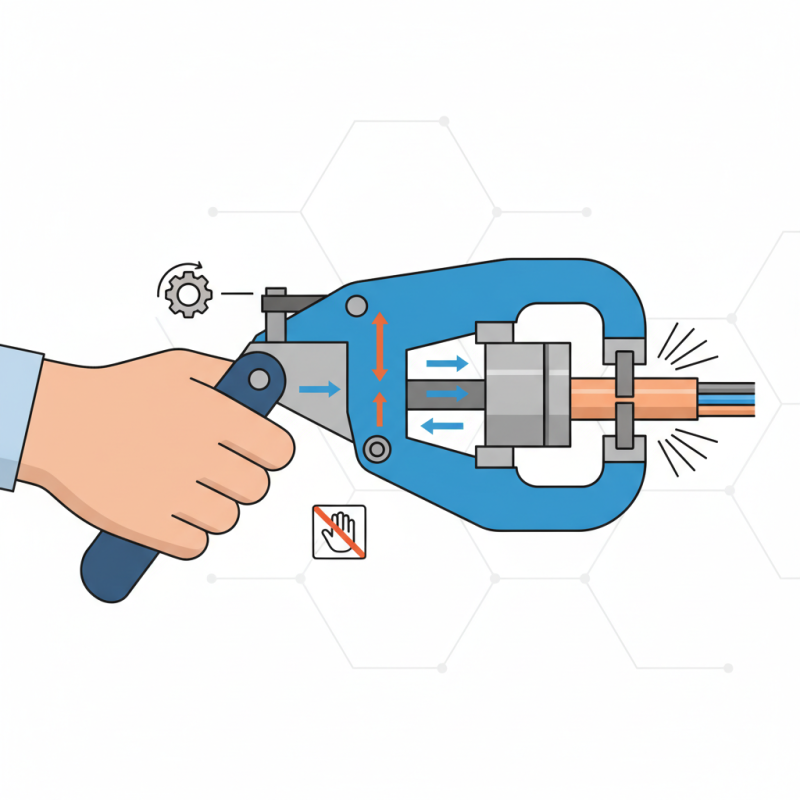
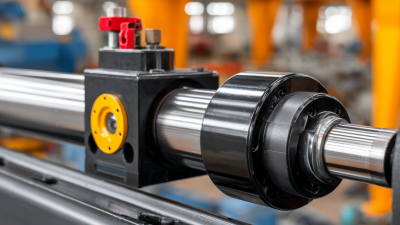
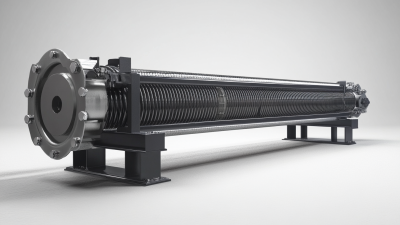
Hydraulic crimping tools are essential for creating secure connections in various applications. Understanding key components can help users operate them effectively. Central to these tools is the hydraulic cylinder, which generates the force required to crimp materials. The pump supplies hydraulic fluid, allowing the cylinder to extend and compress. This mechanism creates a tight connection without much physical effort.
Another crucial part is the crimping die. The die shapes the connector and ensures uniform compression. Choosing the right die for the job is vital. Incorrect choices can lead to weak connections or damage. A sturdy frame houses these components, providing stability during use. Maintenance of the frame is important as wear can affect performance.
Tips for using hydraulic crimping tools include checking for leaks in the hydraulic system. Regular inspection can prevent unexpected failures. Ensure that the chosen die matches the connector size. Using the wrong size can lead to incomplete crimping. Lastly, clean the tool after each use to maintain its integrity. Dust and debris can lead to malfunction over time. Proper care extends the life of the tool.
Hydraulic Crimping Tool Usage Statistics
How Hydraulic Crimping Tools Operate
Hydraulic crimping tools are vital for joining conductive cables in various industries. They work by using hydraulic pressure to compress a specific connector onto a wire. This process creates a strong, reliable connection that can withstand high electrical currents. Industry reports indicate that improper crimping can lead to connection failures. In fact, data shows that up to 30% of electrical failures result from poor crimp connections.
The operation of hydraulic crimping tools relies on a simple yet effective mechanism. When the tool is activated, hydraulic fluid is pushed into a cylinder, creating pressure. This pressure then forces the crimping die to close around the wire and connector. It's essential to select the right die for the application. Using the wrong die can compromise the integrity of the crimp, resulting in unsafe connections. Many professionals emphasize the importance of regular inspections. Neglecting this can lead to costly downtime and safety risks.
Additionally, the efficiency of crimping tools can significantly impact productivity. Hydraulic models can offer up to 25% faster operation than manual tools. However, this speed must be balanced with precision. Rushing the process can lead to mistakes. Proper training and awareness are crucial for ensuring the quality of the crimp. The industry must continually address these challenges to maintain high standards.
Applications of Hydraulic Crimping Tools in Various Industries
Hydraulic crimping tools are essential in various industries. They create strong and lasting connections in cables and pipes. Construction, automotive, and electrical sectors often rely on these tools. In construction, they join electrical cables securely. This ensures stable power supply for heavy machinery.
In the automotive industry, hydraulic crimping tools are used for wiring harnesses. They provide reliable electrical connections in different vehicle systems. These connections are vital for safety and performance. Yet, improper use can lead to weak joints, causing issues later on.
Manufacturing also benefits from hydraulic crimping tools. They assist in high-volume production, ensuring consistency in quality. However, it's crucial to select the right dies and settings. Mistakes in this area can lead to faulty products, which is costly. Balancing efficiency and precision requires careful monitoring during the crimping process.
Safety Considerations When Using Hydraulic Crimping Tools
When using hydraulic crimping tools, safety is paramount. These tools exert significant force, which can lead to severe injuries if not handled properly. Always wear appropriate personal protective equipment (PPE), including safety glasses and gloves. Loose clothing can also pose risks, so keep it tight. A moment of distraction can result in accidents.
Check the tool before use. Inspect for leaks or damages. A worn-out tool may fail unexpectedly. Regular maintenance can avoid potential hazards. It's easy to overlook these checks, but doing so ensures both efficiency and safety. Unanticipated failures can harm operators and bystanders alike.
Tips: Always work in a well-lit area. Ensure your workspace is clutter-free to avoid tripping. Consider practicing with the tool on scrap material. Familiarize yourself with its operation and limits. Storing tools properly also helps maintain their condition. Remember that safety protocol applies to everyone. If you're unsure about any part, ask for help. Understanding the risks is essential for effective use.