Empowering Engineering Excellence: Innovate, Elevate, Deliver.
Choosing the right hydraulic piston is crucial for optimal machine performance. This choice can greatly affect efficiency and longevity. According to industry research, hydraulic systems account for about 20% of energy consumption in industrial applications. An incorrect piston can lead to increased wear and maintenance costs.
Hydraulic pistons come in various sizes and materials. Selecting the appropriate type requires understanding specific requirements. For instance, a larger piston may offer higher power, but it could also demand more space and resources. Industry reports show that improper sizing can decrease system efficiency by up to 15%. This highlights the importance of matching pistons to operational needs.
There is no one-size-fits-all solution. Each application demands careful analysis. Even experienced professionals can make mistakes. The right hydraulic piston can enhance productivity, while a poor choice may lead to costly downtimes. As you evaluate your options, think about your unique circumstances. The right selection will pay dividends in the long run.
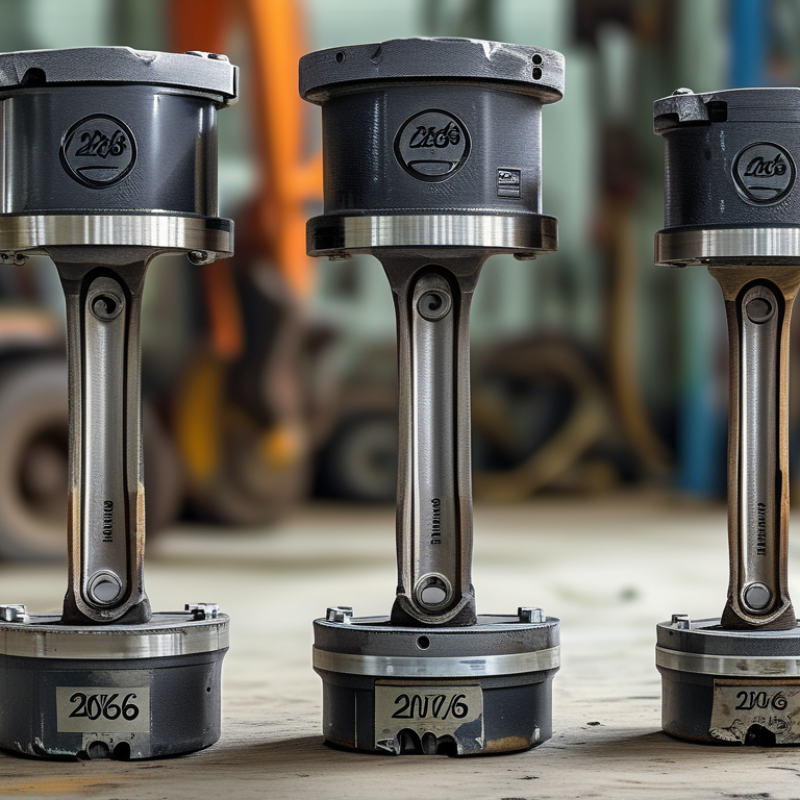
Hydraulic pistons are crucial components in various industrial applications. They function by converting hydraulic energy into mechanical work. This process allows for precise control of movement and force in heavy machinery. Understanding their functionality can help users select the right piston for their specific needs.
Hydraulic pistons come in different designs and sizes. Some are ideal for lifting applications, while others excel in pushing tasks. The choice depends on the intended use and the force required. It’s essential to assess the load capacity and the environment in which the piston will operate. Factors such as temperature and exposure to contaminants can affect performance.
It’s important to acknowledge that not every hydraulic piston is perfect for every task. Misjudging the specifications can lead to unnecessary failures. For instance, a piston may not deliver the expected power if it is undersized or improperly installed. Regular maintenance is vital to ensure long-term reliability and efficiency. Understanding these complexities will lead to better decisions in selecting hydraulic pistons.
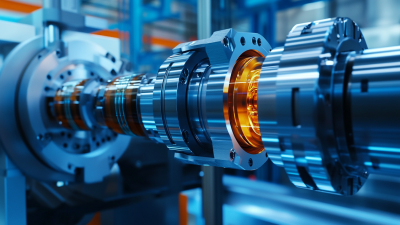
When selecting a hydraulic piston, several key factors warrant careful consideration. Understanding the working environment is essential. Consider the temperature ranges and exposure to various elements. Extreme conditions can affect performance and longevity. Hydraulic fluid compatibility is another crucial aspect. Not every piston suits every fluid. Mismatched materials can lead to wear and leakage.
The size and dimensions of the piston are also vital. Ensure the piston fits properly within the system. A mismatched size can hinder functionality, leading to inefficiencies. Pay attention to the required force and speed. High-pressure applications demand specific piston designs. Evaluate how these specifications align with your operational needs.
Lastly, consider the manufacturer’s reputation. Reliable sources often provide better products. Look for user reviews and expert recommendations. However, not every well-known name guarantees quality. Delve deeper into product details and specifications. It is essential to strike a balance between cost and performance. A cheaper option may not always deliver the best results in the long run.
When selecting a hydraulic piston, understanding the different types is crucial. Each type has unique pros and cons. For example, single-acting pistons are simple and cost-effective. They rely on one direction of force, making them easy to use. However, they may lack the power needed for heavy lifting tasks. Double-acting pistons are versatile. They work efficiently in both directions, offering greater force control. Yet, the added complexity can lead to increased maintenance needs.
The material of the hydraulic piston also plays a significant role. Steel pistons provide high strength and durability, suitable for harsh environments. On the downside, they can be heavier and more expensive. Aluminum pistons, in contrast, are lightweight and good for less demanding applications. They are prone to wear and tear in challenging conditions, which is a crucial consideration. Additionally, performance can vary based on design specifics. It's essential to assess whether a compact design or a robust structure suits your requirements better. Balancing these factors can be challenging but is central to achieving optimal performance in hydraulic systems.
| Type of Hydraulic Piston | Pros | Cons | Best Applications |
|---|---|---|---|
| Single Acting Piston | Simpler design, lower cost, easy to maintain. | Only operates in one direction, less efficient. | Lifting applications, basic hydraulic systems. |
| Double Acting Piston | Operates in both directions, more efficient, versatile. | More complex design, higher cost. | Heavy machinery, industrial applications. |
| Hydraulic Piston with Rod | Provides additional stability and strength. | Increased weight, potential for rod wear. | Construction equipment, automotive applications. |
| Hydraulic Piston without Rod | Lighter weight, compact design, suitable for tight spaces. | Reduced strength, limited applications. | Robotics, light machinery. |
| Composite Hydraulic Piston | High strength-to-weight ratio, resistant to corrosion. | Higher cost, more complex manufacturing process. | Aerospace, high-performance applications. |
Choosing the right hydraulic piston requires careful consideration of size and compatibility. Assessing these factors ensures optimal performance in your hydraulic system. Start by measuring the cylinder bore and rod diameter. These measurements are critical for matching the piston to your system. Use precise tools for accurate readings. A mismatch can lead to inefficiencies or even system failure.
When selecting a hydraulic piston, attention to compatibility is crucial. Understand how your piston interacts with other components. Consider the material of both the piston and cylinder. Some materials perform better under specific pressures or temperatures. Avoid assuming that any piston will fit your system. Miscalculations can increase wear and reduce longevity.
For a smoother selection process, keep these pointers in mind. Consult with professionals if you're unsure about specifications. References to technical manuals can guide your choices. Regularly check your hydraulic system for signs of wear. This proactive approach can prevent costly repairs. Remember, your hydraulic system's efficiency depends heavily on the right piston choice.
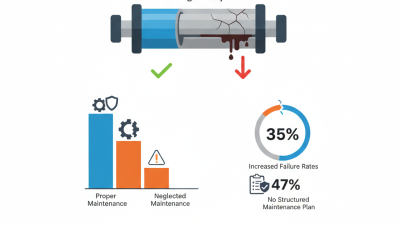
Hydraulic pistons require regular maintenance to ensure longevity. A simple task is to inspect for leaks. Even small leaks can lead to significant failures over time. Periodically checking seals and gaskets is crucial. Replacing worn-out components before they cause larger issues saves money in the long run.
Another key aspect is to maintain proper lubrication. Insufficient lubrication increases friction, causing wear and tear. Use the right hydraulic fluid as specified by the manufacturer. Over time, contaminants can accumulate in the fluid. Regularly change the fluid to keep the system clean.
Temperature control is vital as well. Excessive heat can damage hydraulic pistons. Monitor operating temperatures to ensure they remain within safe limits. Consider using cooling systems if the environment regularly exceeds these levels. Maintaining hydraulic systems can be tedious, but neglecting them can lead to costly repairs.