What is a Fiber Laser Welding Machine and Its Benefits?
The rise of the Fiber Laser Welding Machine is transforming welding technology across multiple industries. Experts like Dr. Emily Carter, a renowned specialist in laser applications, emphasize, "Fiber laser technology offers unmatched precision and efficiency in welding." This statement reflects the core benefits these machines provide.
Fiber Laser Welding Machines utilize advanced laser technology. They deliver excellent beam quality, resulting in fine and accurate welds. Their ability to work with diverse materials adds to their appeal. As industries seek increased productivity, these machines fulfill that requirement effectively.
However, the adoption of Fiber Laser Welding Machines is not without challenges. Initial costs can be high. Users must invest time in training operators to handle these sophisticated systems. Despite these hurdles, the long-term benefits often lead to significant savings and superior outcomes. Exploring this technology reveals its potential to reshape traditional welding practices.
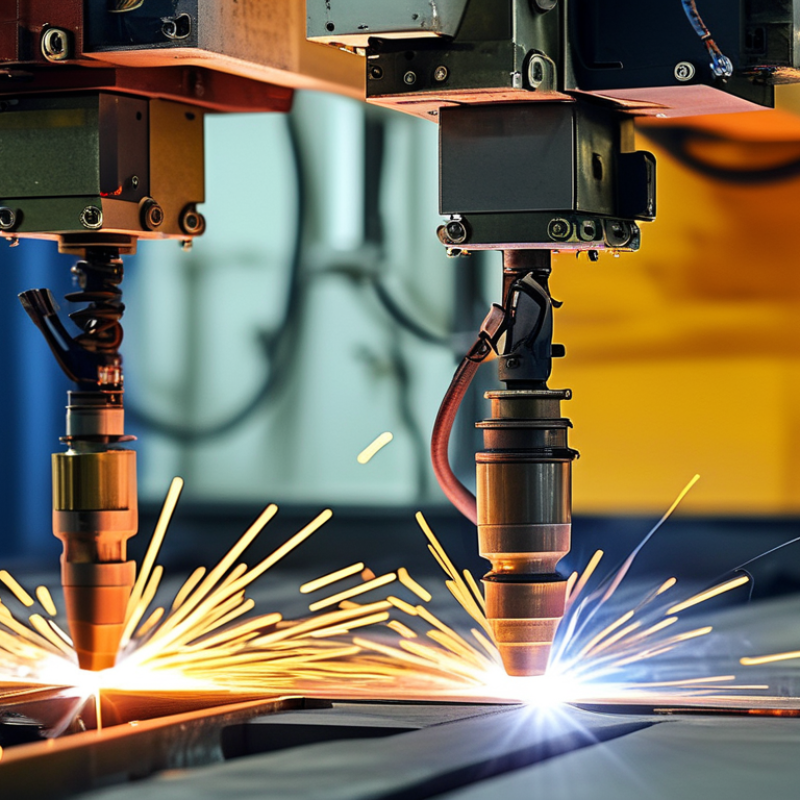
Definition and Functionality of Fiber Laser Welding Machines
Fiber laser welding machines utilize high-intensity laser beams to join materials. They are efficient and precise, making them essential in modern manufacturing. These machines are equipped with advanced optics that focus the laser, allowing for fine and delicate work. The heat generated melts the base materials, creating strong, durable welds.
One significant advantage is their versatility. Fiber laser welding can be used on various materials, including metals and plastics. This makes them suitable for numerous industries, from automotive to aerospace. The welding process is faster than traditional methods, increasing productivity. Additionally, the minimal heat-affected zone reduces the risk of distortion in delicate components.
Tips: Always ensure proper safety measures when operating these machines. Use appropriate protective gear. Regular maintenance checks are crucial for optimal performance. Over time, you might notice changes in welding quality, indicating the need for adjustments. Keeping your equipment clean is essential; dirt and debris can affect functionality. Evaluate your welding parameters regularly to maintain precision.
Advantages of Using Fiber Laser Technology for Welding
Fiber laser welding technology is revolutionizing the manufacturing landscape. It offers unparalleled precision and efficiency in welding processes. According to a recent industry report, fiber laser systems can enhance welding speed by up to 30% compared to traditional methods. This increase in speed leads to reduced production times, allowing businesses to meet growing demands more effectively.
One key advantage is the minimal heat input during the welding process. Lower heat reduces the risk of warping and damage to sensitive components. Furthermore, fiber lasers are versatile and can weld various materials, including metals and plastics. This adaptability makes them ideal for diverse applications across industries. For instance, a study highlighted that adoption of fiber laser technology can decrease operational costs by 20%.
Tips: Ensure proper calibration of your fiber laser system. Regular maintenance is vital for maintaining accuracy and performance.
While the benefits are significant, challenges remain. Operators need extensive training to maximize efficiency. Additionally, the initial investment can be daunting for smaller businesses. Nonetheless, understanding and addressing these challenges can unlock long-term gains. The learning curve should not deter businesses from leveraging this advanced technology. Embracing fiber laser welding could very well future-proof your production capabilities.
Comparison of Fiber Laser Welding with Traditional Welding Methods
Fiber laser welding has gained traction in various industries, outperforming traditional welding methods like MIG and TIG welding. One primary advantage is precision. The focused beam of a fiber laser can weld materials with remarkable accuracy. This feature is crucial for intricate designs and thin materials. Traditional welding often creates heat-affected zones, which can lead to warping or damage. With fiber laser welding, this is significantly minimized, resulting in cleaner seams and less distortion.
Another notable benefit is speed. Fiber lasers operate at a rapid pace, allowing for high production rates. Traditional methods often require longer setup times and can slow down the workflow. In contrast, fiber laser machines can seamlessly handle multiple welding tasks without the need for extensive adjustments. However, it's essential to consider that the initial investment in fiber laser technology can be significant, which may not be feasible for smaller operations.
Moreover, fiber laser welding is energy-efficient. It typically uses less power compared to conventional methods. Despite these benefits, some operators may struggle to adapt to this technology. Familiarity with traditional techniques can hinder the transition to more modern approaches. Ultimately, weighing these pros and cons is vital for companies considering an upgrade in their welding processes.
Applications of Fiber Laser Welding in Industrial Sectors
Fiber laser welding machines have found extensive applications in various industrial sectors due to their precision and efficiency. The automotive industry heavily relies on fiber laser welding for manufacturing lightweight components. This technology allows for precise welds on materials like aluminum and high-strength steel. Reports indicate that the automotive industry is projected to grow its use of laser technologies by 25% by 2025.
In the aerospace sector, fiber laser welding is crucial for assembling aircraft components. The high power and speed of these machines support the intricate designs and robust demands of aerospace manufacturing. According to industry analyses, laser welding can reduce production time by up to 30%, enhancing overall efficiency. Such efficiencies are vital for keeping up with the competitive nature of aerospace engineering.
Manufacturing of electronics also benefits greatly from fiber laser technology. These machines provide clean welds with minimal thermal distortion. The consumer electronics market is expected to expand by 12% annually, further driving the demand for precise laser welding. However, challenges remain in ensuring consistent quality across different materials. As industries adapt, they must address these inconsistencies to fully harness the potential of fiber laser welding.
Future Trends and Innovations in Fiber Laser Welding Technology
Fiber laser welding technology is rapidly advancing. Recent industry reports suggest that the global fiber laser market is expected to reach $4 billion by 2026, growing at a CAGR of 11.2%. Increasing demand for automation and precision in manufacturing fuels this growth. Industries like automotive and aerospace increasingly rely on fiber laser welding for its high-quality results and efficiency.
One of the exciting trends is the integration of artificial intelligence in laser welding systems. AI can optimize the welding process in real time. It helps reduce defects and enhance overall precision. Furthermore, sensors and monitoring systems are becoming more sophisticated. They provide real-time feedback, ensuring consistent quality and reducing waste.
Another area of innovation is in multi-material welding. As manufacturers work with diverse materials, fiber laser technology is adapting. It can now efficiently weld combinations like aluminum and steel, which was challenging before. However, there remains a need for further research in process optimization. Ensuring robust welds without compromising structural integrity is still a critical challenge for many. As this technology evolves, it’s clear there’s still much to explore and improve.