Empowering Engineering Excellence: Innovate, Elevate, Deliver.
Ferrous Sulfate Pills are a commonly used iron supplement for people with confirmed iron deficiency or iron-deficiency anemia. Iron helps the body make hemoglobin, the protein in red blood cells that carries oxygen. When iron stores are low, fatigue, weakness, or reduced exercise tolerance may occur, although these symptoms can have many causes.
A clinician may recommend treatment after reviewing symptoms and blood tests, such as ferritin and hemoglobin levels. The right dose and duration depend on the person, not just the product label. Too much iron can be harmful, so supplements should be kept away from children. Iron can also interact with some medicines, and calcium-rich foods or drinks may affect how well it is absorbed. Follow a healthcare professional’s instructions.
Some people notice improvement as their iron levels recover, but results take time. Stomach discomfort, constipation, nausea, and darker stools are possible. Dark stools are often expected with iron, but severe pain, vomiting, or unusual symptoms deserve medical advice. The label can look simple; real-life use is less tidy. This guide explores common uses, potential benefits, practical considerations, and questions to discuss with a healthcare professional. Iron may help when deficiency is the problem, but it is not a general remedy for tiredness.
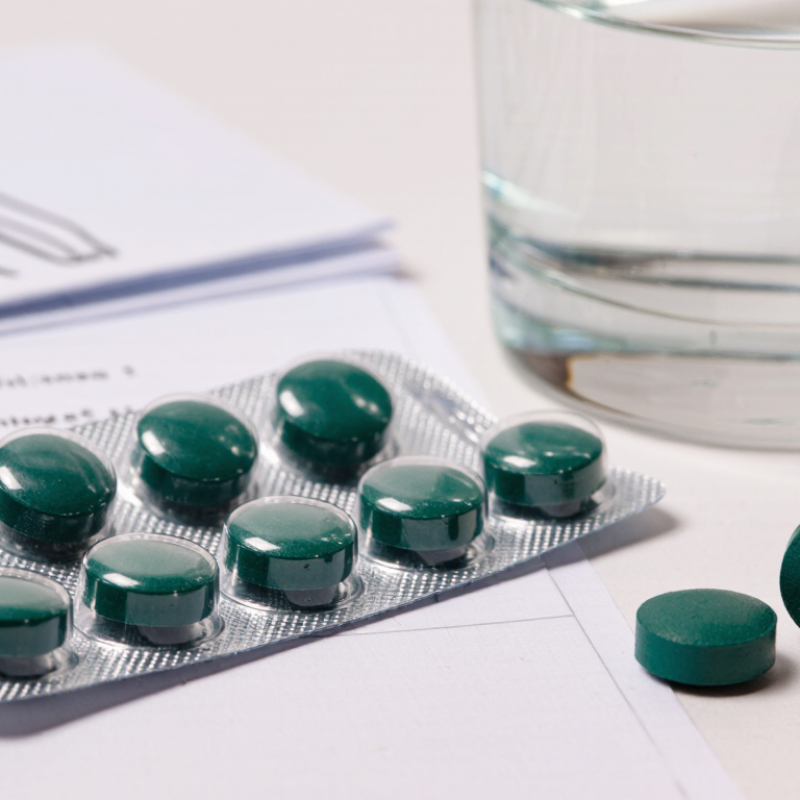
Ferrous sulfate pills contain iron in a form the body can use to make hemoglobin, the protein in red blood cells that carries oxygen. They are commonly recommended to treat iron deficiency and, in some cases, prevent it when a person’s needs are higher. A tablet’s total weight is not the same as its elemental iron content, so the label and prescribed directions matter. More is not automatically better.
After a pill is swallowed, iron is absorbed mainly in the small intestine and used to support red blood cell production. With treatment, some people notice improved energy as iron levels recover, though this can take time and tiredness has many possible causes. The details matter. Ferrous sulfate may cause nausea, constipation, or dark stools; taking it with food can ease stomach upset, but may reduce absorption. A clinician or pharmacist can advise on timing and possible interactions with calcium, antacids, or other medicines. Iron pills are not a general energy supplement, and excess iron can be harmful. Not every kind of anemia responds to iron.
Ferrous sulfate pills provide iron, which the body uses to make hemoglobin and carry oxygen. A common use is treating iron-deficiency anemia confirmed through blood tests. Clinicians may also recommend them when iron needs rise or losses continue, such as during pregnancy or heavy menstrual bleeding.
The World Health Organization’s 2023 estimates, based on 2019 data, found anemia affected about 30% of women aged 15–49 worldwide. Anemia has several causes, though, so iron is not suitable treatment for every case.
Some people use ferrous sulfate to prevent deficiency when a healthcare professional identifies a clear risk. It is not a general energy pill. Treatment plans depend on test results, age, and health conditions; taking extra iron without advice can be harmful. Common effects include nausea, constipation, and darker stools. The last detail can surprise people.
Tips: Take the dose as directed, and ask a pharmacist or clinician whether to take it with food. Calcium, tea, and coffee can reduce iron absorption when taken close together. Keep tablets away from children, and seek medical advice if symptoms persist or worsen. Improvement takes time; that part is easy to underestimate.
Ferrous sulfate is an oral form of iron used to treat confirmed iron deficiency. It supplies iron needed for hemoglobin, the protein that carries oxygen in red blood cells. When low iron is causing symptoms, treatment may gradually ease tiredness, improve stamina, or reduce light-headedness. Not overnight. It is tempting to expect a quick lift, but that is not always realistic.
A healthcare professional may use blood tests, including hemoglobin and ferritin, to identify deficiency and guide treatment. Symptoms alone cannot confirm low iron; fatigue has many possible causes. Ferrous sulfate does not treat every type of anemia, and taking extra iron without guidance can be harmful. The appropriate amount depends on a person’s age, health, and test results.
Stomach discomfort, nausea, constipation, and darker stools can occur. Dark stools are common, but severe symptoms deserve medical attention. Taking the supplement as directed and arranging follow-up testing can help show whether iron levels are improving. Recovery may take weeks, and the plan sometimes needs adjustment. Ask a healthcare professional how to take it alongside other medicines or food.
| Dimension | Evidence-based information | Practical considerations |
|---|---|---|
| Main use | Ferrous sulfate is an oral iron supplement used to prevent or treat iron deficiency when supplementation is appropriate. | Iron deficiency should ideally be confirmed and its cause assessed by a healthcare professional. |
| Potential benefit for iron-deficiency anemia | For people with iron-deficiency anemia, treatment can supply iron needed to make hemoglobin and red blood cells. Blood counts may improve with effective treatment. | The response and time to improvement vary. Follow-up tests may be used to check progress and guide treatment duration. |
| Possible symptom improvement | If symptoms such as fatigue or weakness are caused by iron deficiency, correcting the deficiency may help relieve them. | These symptoms have many possible causes, so iron supplements may not help when iron deficiency is not the cause. |
| Elemental iron content | The amount of elemental iron depends on the product and tablet strength. A commonly used 325 mg ferrous sulfate tablet provides about 65 mg of elemental iron. | Check the product label: the weight of the iron salt is not the same as the amount of elemental iron. Formulations can differ. |
| How it is taken | The schedule depends on the person, product, and clinician’s instructions. Iron is generally absorbed better on an empty stomach, but taking it with food may reduce stomach upset. | Follow the label or prescriber’s directions. Do not change the dose or schedule without professional advice. |
| Common side effects | Nausea, abdominal discomfort, constipation, diarrhea, and dark-colored stools can occur with oral iron. | Ask a healthcare professional about persistent or troublesome effects. Dark stools are common, but seek advice if stools are tarry or accompanied by concerning symptoms. |
| Interactions and absorption | Calcium, antacids, tea, and coffee can reduce iron absorption when taken around the same time. Iron can also interfere with absorption of some medicines. | A pharmacist or clinician can advise whether doses should be separated. Do not stop prescribed medicines without guidance. |
| Safety | Too much iron can be harmful, and accidental iron overdose can be life-threatening, especially for children. | Keep tablets securely out of children’s reach. Seek urgent poison-control or emergency guidance after a suspected overdose. |
| Important limitation | Ferrous sulfate treats iron deficiency; it does not address every cause of anemia or low energy. | People with certain conditions or iron overload should not take iron unless advised by a healthcare professional. |
General information only; it is not a substitute for medical advice, diagnosis, or individualized treatment.
Ferrous sulfate pills provide iron, but the right dose depends on your blood test results, age, diet, and health history. The NIH Office of Dietary Supplements lists daily iron needs of 8 mg for most adult men, 18 mg for women aged 19–50, and 27 mg during pregnancy. These are intake targets, not treatment doses for iron deficiency. Labels can mislead. A 325 mg ferrous sulfate tablet commonly provides 65 mg of elemental iron, so check the elemental iron amount rather than relying on tablet weight. The British Society of Gastroenterology’s 2021 guideline recommends one daily iron tablet for many adults with iron-deficiency anemia; clinicians may adjust the plan if side effects occur or blood results require it.
Take iron only as directed by a healthcare professional, and keep follow-up blood tests to check whether treatment is working. Don’t copy someone else’s dose. Iron may interact with medicines such as levothyroxine and some antibiotics, while calcium and antacids can affect absorption; ask a pharmacist how to space them. Taking a pill with food may ease nausea, although it can reduce iron absorption. Constipation and darker stools are common. Severe stomach pain, vomiting, or suspected accidental ingestion—especially by a child—needs urgent medical advice. Keep pills locked away. It is easy to mistake a supplement target for a treatment plan; that distinction deserves a second look.
Ferrous sulfate is used to prevent or treat iron deficiency. Iron helps the body make hemoglobin, which carries oxygen in the blood.
How to read this chart: Values show the recommended daily iron intake from all sources, in milligrams (mg), for selected adult groups—not a ferrous sulfate pill dose. Supplement needs vary; follow a clinician’s advice and the product label. The adult upper limit is 45 mg per day from all sources unless a healthcare professional directs otherwise. Keep iron supplements out of children’s reach.
Ferrous sulfate pills can restore iron when testing and clinical assessment confirm a deficiency. They are not a general energy booster. The World Health Organization’s 2021 estimates found anemia in about 30% of women aged 15–49 worldwide; anemia has causes beyond low iron. That distinction matters. NIH’s Office of Dietary Supplements lists 45 mg daily as the adult upper intake level for iron from food and supplements, based on gastrointestinal effects. Treatment doses may exceed it under medical supervision.
Common effects include nausea, constipation, stomach discomfort, and dark stools. Dark stools are expected, but sticky, tar-like stools or severe pain deserve prompt medical advice. Iron can also interfere with levothyroxine, some antibiotics, and levodopa; calcium and antacids may reduce absorption. Ask a pharmacist about spacing doses rather than guessing.
Keep tablets locked away from children: accidental iron overdose can be dangerous. The NIH fact sheet notes that supplements can cause stomach upset, especially at higher doses. Small practical detail: taking a pill with food may ease nausea, though food can lower absorption. It is a trade-off worth discussing.
People with suspected iron deficiency should not self-treat without checking the cause.
(Sources: WHO, Global Anaemia Estimates, 2021; NIH Office of Dietary Supplements, Iron Fact Sheet for Health Professionals.)