What are the Essential CNC Accessories for Beginners?
CNC machining has gained immense popularity among hobbyists and professionals alike. With the global CNC market expected to reach USD 117 billion by 2026, the demand for efficient setups grows. Beginners often feel overwhelmed while starting their CNC journey. They seek guidance on essential CNC Accessories to enhance their productivity and craftsmanship.
A well-equipped workspace leads to better results. Key CNC accessories include clamps, bits, coolant systems, and more. Each tool plays a role in precision and usability. In fact, studies show that using suitable accessories can improve machining accuracy by up to 30%. However, it's common for beginners to overlook these aspects, leading to frustration and errors in their projects.
Yet, choosing the right accessories requires careful thought. Not all items are necessary for every project. Beginners often waste money on tools they might not use. Thus, it's crucial to research and select accessories tailored to specific needs. Reflecting on what is truly valuable, rather than what is trendy, can lead to more effective outcomes for novice CNC users.
Essential CNC Accessories: A Beginner's Guide
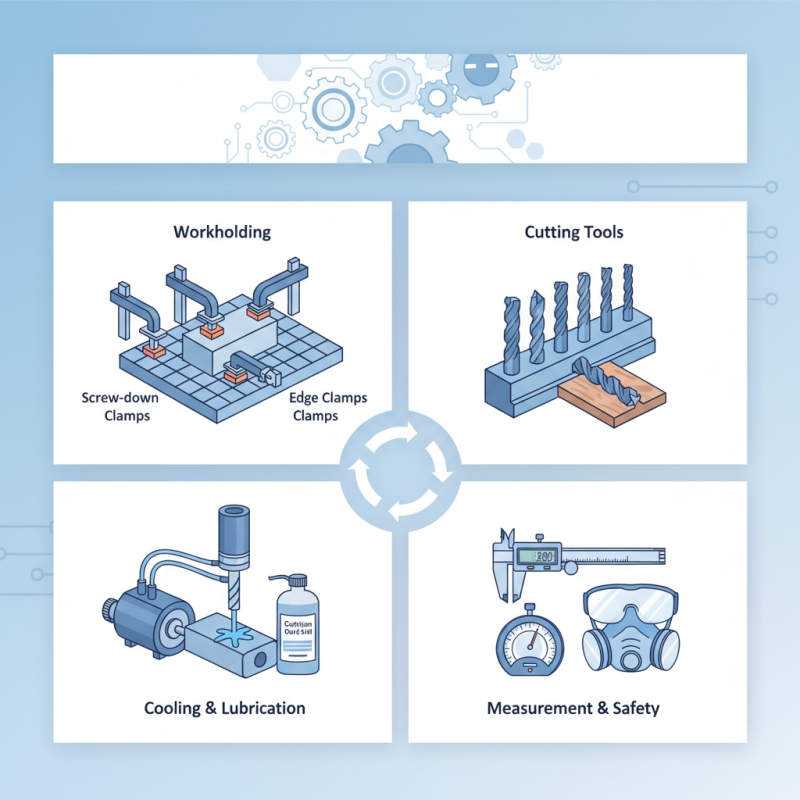
When starting with CNC machining, having the right accessories is crucial. A good router bit set is essential. Different bits serve various purposes. Some are for cutting, others for engraving. Choose a variety so you can experiment. Measuring tools are also important. A caliper can help you ensure accuracy in your work. It helps in both small and large projects.
Another vital accessory is the workholding solution. Clamps or Vise grips secure your materials. They prevent movement during cutting. A dust collection system is also worth considering. CNC projects can create a mess. Keeping your workspace clean makes a difference. These accessories can seem expensive, but they pay off in the long run.
Don’t forget software compatibility for your CNC machine. Sometimes, the software may not work well with certain accessories. This can lead to frustration. Learning how to use your CNC machine may take time. Mistakes will happen, and that's okay. Reflecting on these errors is part of the process.
What are the Essential CNC Accessories for Beginners? - Essential CNC Accessories: A Beginner's Guide
| Accessory | Description | Purpose | Estimated Cost |
| CNC Router Bits | Specially designed bits for various materials. | To cut, carve, and engrave materials. | $20 - $150 |
| Workholding Fixtures | Devices to secure workpieces during machining. | To ensure precision and safety. | $30 - $300 |
| CNC Controller | The brain of the CNC machine that interprets commands. | To control the movement of the machine. | $100 - $500 |
| Calipers | Tools for precise measurements. | To ensure accuracy in dimensions. | $10 - $50 |
| Dust Collection System | System to manage debris and dust. | To maintain a clean workspace and machine. | $100 - $600 |
| Safety Gear | Protective equipment for operating CNC machines. | To protect the operator from hazards. | $25 - $150 |
Understanding the Importance of CNC Accessories for New Users
CNC accessories play a critical role for beginners. These tools enhance the functionality and safety of CNC machines. Many new users underestimate their importance. Basic items like clamps, bits, and coolants can drastically improve results. Proper tooling can lead to better cuts and finishes. Without the right accessories, projects may not meet expectations.
Safety should never be overlooked. Protective gear, such as goggles and gloves, is essential. Beginners often feel invincible, overlooking risks. A simple slip can cause injury. Accessories like dust collection systems are often ignored. However, they protect both the workspace and the user. Regular maintenance using appropriate accessories prolongs machine life.
Lastly, many beginners struggle with settings. Accessories help in calibrating the machine accurately. Using the wrong bit can lead to poor outcomes. Experimentation is important, but mistakes can be costly. The right accessories streamline the learning process and improve confidence. Each tool adds value in unexpected ways. Take the time to explore and understand them.
Key Accessories for Enhancing CNC Machine Functionality
When diving into the CNC world, having the right accessories can elevate your machining experience. One essential accessory is the collet and chuck system. This system securely holds tools in place, allowing for precise cuts. Reports show that poor tool holding can reduce cutting accuracy by up to 30%. Beginners should invest in a quality collet to avoid frustrating misalignment during projects.
Another critical accessory is the dust collection system. CNC machining generates a significant amount of debris and chips. A robust dust collection system can improve visibility and keep the workspace clean. Studies indicate that effective dust management can increase tool life by 15% to 20%. While investing in these systems may seem costly, the long-term benefits often justify the expense.
Lastly, consider adding a quality workholding solution. A sturdy vise or clamp can secure your workpiece, preventing movement during machining. Inadequate clamping can lead to errors, wasting both time and material. Learning to use these accessories correctly requires practice and reflection. Mistakes may happen, but they provide valuable lessons in the CNC journey. Embracing these tools early on can significantly enhance your overall CNC experience.
Safety Gear and Equipment for CNC Beginners
When starting a CNC journey, safety must be your priority. The hum of machines can be thrilling, but potential hazards exist. Proper safety gear can prevent injuries, making your CNC experience enjoyable. A good quality pair of safety glasses is essential. They protect your eyes from flying debris. Ear protection is equally important due to the noise levels.
Wearing gloves can safeguard your hands. Look for gloves that provide dexterity and protection. However, be cautious; avoid loose gloves that could get caught in machinery. Steel-toed boots can protect your feet from heavy objects. It’s surprising how often beginners overlook their footwear. A well-fitted dust mask is also important. It’s easy to forget this, but breathing in fine particles is harmful.
Always keep a first aid kit nearby. Accidents may happen, even with the best precautions in place. Make sure to regularly check your safety gear for wear and tear. It's easy to become complacent. Reflecting on your safety practices can lead to improvements. Building good habits early on can save you from future mishaps.
Maintenance Tools Every CNC Hobbyist Should Have
CNC hobbyists need the right maintenance tools to keep their machines running smoothly. A basic tool kit is essential. Start with a set of wrenches. These help adjust components securely. Having a small brush can help clear away dust and debris. This is vital for precision.
Don't forget about lubricants. Regular oiling prevents wear and tear. Inspecting and replacing worn belts is also important. A worn belt can lead to inaccuracies in your projects. Calibration tools should be part of your kit, too. They help ensure your CNC machine operates at peak performance.
While having the right tools is critical, understanding their use is equally important. Newbies might feel overwhelmed. It's easy to overlook simple tasks like regular cleaning. Mistakes are part of the learning process, so embrace them. Regular maintenance can be daunting but is necessary for great results. It’s about building a routine and sticking to it. Every step matters, even the small ones.