Empowering Engineering Excellence: Innovate, Elevate, Deliver.

How to Choose the Right Quick Connect Fitting?

Choosing the right Quick Connect Fitting is not a simple catalog exercise. It is a decision about pressure, temperature, flow, materials, maintenance, and human error. A fitting may look correct on a workbench, yet fail after vibration, repeated coupling, or chemical exposure.

Frank Yeaple, a respected fluid-power author, once emphasized, “Good design begins with understanding the system, not selecting a component.” That principle matters here. Before comparing brands, identify the working fluid, operating pressure, peak temperature, hose size, connection profile, and expected cycle frequency. A compressed-air line behaves differently from a hydraulic circuit. So does a washdown system near saltwater.

Small details matter. Check whether the sleeve is easy to operate with gloves. Confirm that the locking mechanism prevents accidental release. Inspect the seal material, especially when oil, coolant, steam, or cleaning agents are involved. Flow restriction is easy to overlook. A compact fitting can create measurable pressure loss.

The right choice is rarely the cheapest option. It is the one that performs consistently in the actual environment. Still, selection guides can oversimplify reality. Laboratory ratings do not perfectly represent dusty workshops, angled loads, or rushed maintenance.

That uncertainty deserves attention. Compare manufacturer specifications, verify compatibility, and test the assembly before full deployment. A reliable Quick Connect Fitting should connect smoothly, seal firmly, and disconnect safely. More importantly, it should continue doing so after hundreds of cycles, not only during the first inspection.
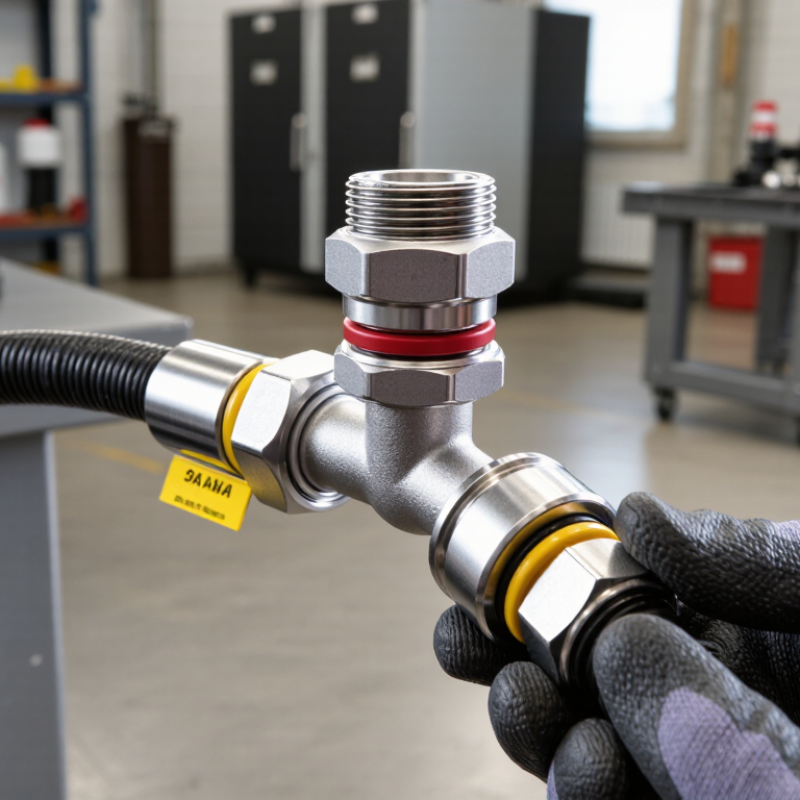
How to Choose the Right Quick Connect Fitting?

Identify the Application’s Pressure, Flow, and Temperature Requirements

Before selecting a quick connect fitting, write down the system’s normal and peak pressure. A gauge reading during steady operation may miss brief spikes when a valve closes or a pump starts. Check the fitting’s rated working pressure, not just its burst pressure, and leave a sensible safety margin. The hose, seals, and connected equipment must also tolerate that pressure. One weak component can limit the whole assembly.

Flow matters just as much. A fitting with a narrow internal passage can restrict flow, even when its outside diameter matches the hose. Compare the required flow rate with the fitting’s flow capacity, and consider whether pressure loss could slow a cylinder or cause a pump to work harder. Then check the full temperature range, including hot starts and cold storage. Heat can soften seals; cold can make them less flexible. It is easy to overlook temperature because the fitting may feel cool during a quick inspection. That check is not enough. Record the fluid type and operating conditions, then confirm that the fitting materials and seal are compatible. If the real operating range is uncertain, measure it over several cycles before choosing. Guessing may work, but it is not a reliable specification.

How to Choose the Right Quick Connect Fitting?

Identify the application’s pressure, flow, and temperature requirements before selecting a quick connect fitting.

The chart shows representative operating requirements for common fluid and gas applications. Select a fitting with pressure and temperature ratings above the maximum operating conditions, while ensuring that its internal size and flow capacity can meet the required flow rate with acceptable pressure loss. These values are general engineering reference points and should be verified against the actual system, fluid compatibility, and safety requirements.

Choose the Quick Connect Fitting Type for the Intended System

How to Choose the Right Quick Connect Fitting?

Choose the Quick Connect Fitting Type for the Intended System

The intended system should guide your fitting choice, not appearance alone. Identify the working medium first, such as air, water, hydraulic oil, or chemical fluid. Each medium demands suitable seal materials and internal construction. A pneumatic coupler may not withstand hydraulic pressure. That mistake can become expensive.

Check operating pressure, temperature, flow rate, and connection size together. A fitting must handle the system’s maximum pressure, including sudden pressure spikes. For hydraulic circuits, flat-face designs can reduce fluid loss and contamination during connection. For compressed air, sleeve-style couplers may support frequent tool changes. Gas systems often require stronger sealing control and careful leak testing. Clean environments may need dry-break fittings. The details matter.

Consider how the fitting will be used every day. Will operators connect it with gloves? Could hoses drag across a workshop floor? Is accidental disconnection possible? Locking sleeves, color identification, and protective caps can improve handling. I would not choose by nominal size alone. That assumption can be wrong. Two fittings may share a thread size but differ in pressure rating, flow path, or sealing method. Verify thread standards and dimensional compatibility before installation. Then inspect the seal, check the manufacturer’s technical data, and test the assembled line under controlled conditions. Small leaks are easy to miss.

Match Port Size, Connection Standard, and Material Compatibility

How to Choose the Right Quick Connect Fitting?

Choosing a quick connect fitting starts with matching the port size accurately. Measure the mating port, hose inner diameter, and available clearance. A small mismatch can cause leaks, poor flow, or damaged threads. Do not assume similar-looking fittings use the same connection standard. NPT, BSP, and metric threads may appear compatible, but their angles and sealing methods differ. Check the technical drawing or equipment manual before ordering.

Tips: Write down the port size, thread type, working pressure, temperature range, and fluid. Keep a sample fitting nearby for comparison. This simple habit prevents rushed decisions.

Material compatibility matters just as much. Stainless steel may suit corrosive fluids, while engineered polymers can reduce weight in low-pressure systems. Seals also need careful attention because heat, oil, chemicals, and repeated cycling affect them differently. In field maintenance, I have seen fittings selected correctly by size but rejected later because the seal material softened. That mistake is easy to overlook. Confirm pressure and temperature ratings under real operating conditions, not ideal laboratory conditions. A fitting that connects smoothly may still be the wrong choice. Reliability comes from checking every interface, not just the thread.

Verify Sealing Performance, Pressure Ratings, and Safety Factors

Choosing a quick connect fitting starts with sealing performance, not appearance. Inspect the O-ring, valve face, and locking sleeve. A clean, undamaged seal should compress evenly without twisting. Small scratches can create slow leaks under vibration. The U.S. Department of Energy reports that compressed-air leaks may waste 20–30% of system output. That figure makes seal inspection a maintenance priority, not a minor detail.

Check the rated working pressure at the actual operating temperature. Never use burst pressure as working pressure. ISO 7241 provides dimensional and performance guidance for hydraulic quick-action couplings, while ISO 4413 addresses hydraulic system safety. Compare these requirements with pressure spikes, pulsing loads, and connection cycles. A fitting rated for 10 MPa in steady service may need a larger safety margin in a shock-loaded circuit. The calculation is easy to overlook.

Use a safety factor supported by the applicable standard and test data. Confirm compatibility with the fluid, hose material, and seal compound. Then test the assembled connection at a controlled pressure before service. Listen for hissing. Watch for pressure decay. Field inspections often reveal that contamination causes more failures than dramatic overpressure. That is uncomfortable, but useful. A perfect catalog rating cannot rescue a poorly cleaned connection. Temperature changes deserve attention too. Seals harden, soften, or swell over time. Recheck them after installation, especially where equipment vibrates or operators reconnect fittings frequently.

How to Choose the Right Quick Connect Fitting? — Verify Sealing Performance, Pressure Ratings, and Safety Factors

Use this checklist to compare quick connect fittings for the actual fluid, operating conditions, and connection cycle. Confirm all limits against the fitting manufacturer’s technical documentation.

Selection Factor What to Verify Practical Selection Guidance Evidence to Request or Check
Fluid and seal compatibility Fluid composition, additives, concentration, contamination, and seal material compatibility. Choose a seal compound specifically confirmed for the fluid and operating temperature. Do not assume that a seal suitable for water is suitable for oil, fuel, refrigerant, or chemicals. Written compatibility information for the exact fluid, seal compound, and temperature range.
Sealing performance Leakage requirements when connected, during connection or disconnection, and after repeated use. For applications requiring minimal spillage, compare the coupling’s valve design and stated leakage performance. Confirm whether the rating applies to connected, disconnected, or both conditions. Leak-test method, test conditions, acceptance criteria, and published leakage limits.
Working pressure Maximum normal operating pressure, including pressure fluctuations and measured or expected surges. The fitting’s rated working pressure must exceed the maximum pressure it can experience in service. Check the rating for the complete assembly, not only an individual component. Rated working pressure for the coupling, mating half, hose or tube, and any adapters in the assembly.
Pressure test and burst data Proof-test pressure and burst pressure, and how each value is defined. Do not use proof or burst pressure as the allowable working pressure. These are different ratings and must be interpreted using the applicable product documentation and standard. Definitions, test procedures, and the applicable product standard or specification.
Temperature range Minimum and maximum fluid and ambient temperatures, including short-term temperature excursions. Check the allowable temperature range for the body material, seal, and fluid together. Pressure capacity may be reduced at elevated temperatures. Pressure-temperature limits and seal temperature range for the selected configuration.
Connection type and interchangeability Thread, hose-end, or other interface; size; profile; and mating-half geometry. Confirm both halves are designed to mate. Similar-looking couplings may not be interchangeable. For standardized interfaces, verify the exact series and applicable standard. Dimensioned drawings, interface specification, and confirmation of compatible mating parts.
Flow and pressure drop Required flow rate, fluid viscosity, and acceptable pressure loss through the coupling. Compare published flow data at the intended operating conditions. A smaller flow passage can increase pressure drop and may affect system performance. Flow-versus-pressure-drop curves or test data for the selected size and fluid conditions.
Connection cycle and operating method Expected connection cycles, connection force, and whether the coupling is connected under pressure. Select a design rated for the expected duty. Connect under pressure only when the coupling is explicitly designed and rated for that condition. Cycle-life data, operating instructions, and limits for connecting or disconnecting under pressure.
Pressure trapped after disconnection Whether pressure can remain in either half after separation, and whether reconnection could be difficult or hazardous. Choose a suitable valve arrangement and follow the system’s depressurization procedure. Never force a connection that is blocked by trapped pressure. Valve-function description, residual-pressure guidance, and safe connection instructions.
Environment and materials Corrosion exposure, moisture, outdoor conditions, cleaning chemicals, and mechanical wear. Verify body and surface materials for the installation environment. Consider corrosion resistance and protection from impact, dirt, and debris. Body-material specifications, corrosion information, and maintenance or contamination-control guidance.
Safety margin and system limits Operating pressure relative to the rated working pressure of every connected component. Base the margin on applicable codes, system design requirements, pressure transients, and documented ratings. The lowest-rated component limits the allowable pressure of the assembly. System pressure analysis, component ratings, and documented design approval where required.
Inspection and maintenance Seal wear, damaged locking features, corrosion, contamination, and leakage during service. Inspect before use and replace damaged or worn parts according to the manufacturer’s instructions. Keep mating surfaces clean to reduce seal damage and contamination. Inspection criteria, replacement guidance, and applicable maintenance records.

Safety reminder: Depressurize the system before installation, removal, or maintenance unless the coupling is specifically rated for the intended operation. Follow applicable safety procedures and the fitting manufacturer’s instructions.

Evaluate Installation, Maintenance, and Long-Term Operating Needs

How to Choose the Right Quick Connect Fitting?

Evaluate Installation, Maintenance, and Long-Term Operating Needs

A quick connect fitting should match the system, not just the hose size. Check fluid compatibility, working pressure, temperature range, and connection frequency before purchase. A fitting that installs smoothly in a workshop may become difficult inside a crowded machine. Leave enough hand clearance for gloves. Confirm that the locking mechanism is visible and fully engaged.

Installation speed matters, but maintenance access matters longer. Choose fittings with replaceable seals and clear inspection points. During routine checks, look for cracks, corrosion, leakage, and damaged locking sleeves. Clean the connection before uncoupling it. Small particles can enter the system and damage sensitive components. Record inspection dates and replacement intervals. This simple habit often reveals repeated failures.

Long-term operating needs deserve careful testing. Calculate pressure loss across the fitting, especially in high-flow applications. Repeated coupling can wear seals faster than expected. I once focused on purchase price and overlooked cleaning time. The cheaper option created more downtime later. That decision needed better review. Test a sample under real temperature, vibration, and cycle conditions. Ask whether technicians can replace seals safely and quickly. A reliable choice reduces interruptions, but no fitting eliminates maintenance.

Download
Brochure