Empowering Engineering Excellence: Innovate, Elevate, Deliver.
Choosing a Mud Pump Piston in 2026 is not just a matter of matching dimensions. The right choice depends on the pump model, operating pressure, drilling fluid, temperature, and expected service interval. A piston that performs well in clean water may wear quickly in abrasive mud. Small details matter: liner condition, rubber compound, bonding quality, and the fit between piston and liner.
A practical selection rule is simple: “Match the piston to the fluid, pressure, and liner—not just the pump.” This is an editorial guideline, not a verified quotation from a named industry expert; no source was provided to confirm an expert’s name or exact words. That distinction matters. Reliable buying decisions need evidence, not invented authority.
This guide explains how to compare piston materials, review manufacturer specifications, and assess wear risks before ordering. It also covers common warning signs, such as uneven wear, heat damage, and fluid bypass. Check the actual service conditions. A catalog description alone cannot tell the whole story. Mud Pump Piston selection is a balance between durability, compatibility, availability, and cost. Even a careful choice can disappoint if the liner is damaged or installation is poor. That deserves a second look.
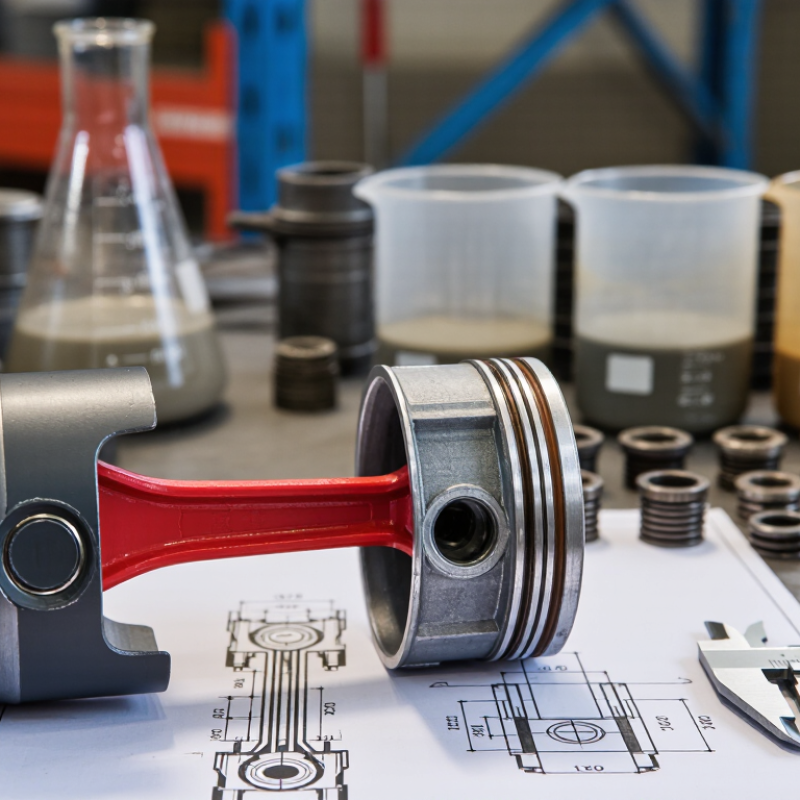
A mud pump piston does more than move drilling fluid. It seals against the liner, creating the pressure needed to circulate mud through the system. A poor match can cause leakage, uneven pressure, and faster wear on both piston and liner.
Start with the actual operating conditions. Check the pump model, liner size, stroke rate, working pressure, and fluid temperature. Then consider the mud itself: abrasive solids can score the sealing surface, while oil-based or chemically treated fluids may affect elastomer compatibility. Ask the equipment supplier for material and service-limit guidance rather than choosing by appearance alone. Small differences matter.
Watch what happens during operation. A hot liner, pressure fluctuation, or visible washout may point to a mismatch, but it can also signal another pump problem. Don’t blame the piston too quickly. During routine inspection, look for cracking, uneven wear, swelling, and damaged sealing edges; record run time and fluid conditions. Those notes help compare options across jobs. In the field, perfect records are rare. Still, even a brief wear log can make the next choice less of a guess.
How to use this chart: These are common fluid-end working-pressure classes, not pressure ratings for pistons themselves. Choose a piston compatible with the pump’s rated pressure, liner size, drilling fluid, temperature, and operating speed. Confirm limits with the pump and piston specifications.
Start with the pump model and its exact configuration, not a photograph of the old piston. Record the pump’s serial details, liner bore, piston rod connection, and retainer style. Then confirm the piston’s outside diameter, sealing profile, and material against the equipment manual or supplier’s dimensional drawing. A catalog match can still be wrong. Small differences matter.
Liner size affects more than fit. Using the standard displacement relationship in the IADC Drilling Manual, theoretical flow is proportional to liner area when stroke length stays constant. For example, changing from a 6-inch liner to a 5-inch liner reduces piston area by about 30.6%. Actual output also depends on pump speed, fluid properties, and volumetric efficiency. Check the installed liner measurement; a worn bore can mislead.
Use API Specification 7K for equipment terminology and applicable pump requirements, then verify the piston part number against the pump maker’s current manual. Match elastomer material to fluid chemistry, temperature, and abrasive solids. Inspect the rod and retainer, too. A compatible piston can still wear quickly if the liner is scored or the assembly is misaligned. I’d recheck dimensions before ordering, even when the old part appears identical.
Choosing a mud pump piston in 2026 starts with the drilling fluid, not the catalog description. A piston that works well in clean water may wear quickly in abrasive mud. Check the fluid’s solids content, temperature, and chemical additives before comparing materials. Fine sand can score the liner, while incompatible additives may swell or soften an elastomer.
Rubber and polyurethane compounds offer different balances of flexibility, wear resistance, and fluid compatibility. Neither is automatically the better choice. Bonded pistons keep the sealing element fixed to the hub, while replaceable-insert designs can simplify service when the sealing element wears. Fit matters just as much: confirm piston and liner dimensions, and inspect the liner for scoring. A new piston cannot compensate for a damaged liner. Selection charts can help, but actual wear patterns deserve a second look.
Tips: Match the compound to the mud and operating temperature. Check pressure and stroke conditions against the supplier’s technical data. Track service hours and inspect removed pistons for uneven wear. Small details matter. I would still treat the first run as a field check, since real fluid conditions rarely match a neat specification sheet.
| Piston Material or Design | Typical Strengths | Potential Limitations | Drilling Fluid Considerations | When to Consider It | Checks Before Selection |
|---|---|---|---|---|---|
| Nitrile rubber (NBR) piston | Common elastomer choice; offers useful flexibility and resistance to many petroleum-based oils. | Heat, chemical, and wear performance depend on the specific compound. It is not compatible with every fluid or additive. | Check the complete fluid formulation, including base fluid, oil-based additives, and cleaning chemicals. | General-purpose service when the fluid and operating conditions are compatible with the selected NBR compound. | Confirm compound compatibility, operating temperature, pressure, piston dimensions, and the pump manufacturer's limits. |
| Hydrogenated nitrile rubber (HNBR) piston | Can provide improved heat and aging resistance compared with conventional NBR formulations. | Performance varies by formulation; it may cost more and is not automatically suitable for every chemical environment. | Useful to evaluate for demanding temperature or fluid conditions, subject to a compatibility check for the actual mud and additives. | Consider when conventional elastomer life is limited by heat or operating severity and the chosen compound is approved for the fluid. | Request compound-specific compatibility and temperature guidance; do not rely on the polymer name alone. |
| Polyurethane piston or insert | Often selected for abrasion resistance and resistance to mechanical wear in suitable service. | Compatibility and performance can be affected by temperature, water exposure, and fluid chemistry; formulation matters. | Assess solids type and loading, fluid chemistry, temperature, and any exposure to water or cleaning fluids. | Consider where abrasive wear is a key concern and the particular polyurethane formulation is suitable for the fluid. | Check manufacturer data for chemical compatibility, temperature range, and the intended pump and liner arrangement. |
| Bonded piston design | The elastomer is bonded to a metal hub, creating an integrated piston assembly. | Bond condition is important; damage or loss of adhesion may require replacement of the complete assembly. | Fluid compatibility must account for both the elastomer and the bond interface, as well as operating temperature. | Consider when an integrated assembly matches the pump design and planned maintenance approach. | Inspect for cuts, cracking, uneven wear, and signs of separation; use the specified assembly for the pump. |
| Replaceable-insert piston design | Allows the worn elastomer insert to be replaced while retaining the compatible piston body, where the design permits. | Requires the correct insert and a sound supporting body; incorrect fit or assembly can compromise sealing and service life. | Choose an insert compound compatible with the fluid; verify that the insert design is intended for the pump configuration. | Consider when reducing replacement of reusable components is practical and matching inserts are available. | Check insert dimensions, retention method, body condition, assembly instructions, and compatibility with the liner. |
| One-piece molded elastomer piston | Has no separate replaceable elastomer insert; its suitability depends on the molded material and piston geometry. | Wear or damage may require replacement of the complete piston; service life depends on operating conditions. | Match the molded compound to the mud system, additives, temperature, and solids-related wear conditions. | Consider when the one-piece design is specified for the pump and its replacement approach fits maintenance plans. | Verify the exact piston style, dimensions, compound, and approved operating conditions for the pump. |
| General selection rule | Selection based on fluid compatibility and operating conditions can help avoid premature wear or elastomer damage. | No material or design is best for every mud system; published limits are compound- and pump-specific. | Review water-based or oil-based fluid, base-fluid chemistry, additives, solids, temperature, and cleaning fluids together. | Use the pump manufacturer's approved options and fluid-compatibility information as the final selection basis. | Confirm model and liner fit, operating limits, installation instructions, inspection criteria, and replacement interval guidance. |
Note: Material names alone do not guarantee suitability. Confirm the exact elastomer formulation and piston design with the pump or component supplier for the drilling fluid and operating conditions in use.
Mud-pump piston selection starts with actual operating conditions, not a catalog maximum. Record steady discharge pressure, pressure spikes, stroke rate, and hours per shift. A piston that handles the average load may still wear quickly during frequent surges. Surges matter. Check the pump manual and compare its limits with the full operating range. Leave a practical margin; do not treat a rating as a target.
Temperature matters too. Measure fluid and nearby component temperatures after sustained operation, since short readings can miss heat buildup. Confirm that the piston’s elastomer and bonding materials suit the mud chemistry, solids, and cleaning fluids. Abrasive sand can score the liner and shorten seal life. Higher temperatures may also harden or soften sealing materials, depending on their compound. No estimate is exact.
Tips: Track pressure, temperature, and hours between replacements at each service interval. Inspect worn pistons for cuts, uneven edges, and heat marks. Use those findings to revise your expected service life, not as a guarantee. When data is limited, start conservatively and inspect early. Field conditions vary.
A mud pump piston is inexpensive only until it wears early or arrives with the wrong fit. In 2026, verify the drawing, bore size, dimensional tolerances, and rated operating conditions against your pump manual. Check that the elastomer and bonding suit the drilling fluid and temperature range. Ask for material and inspection records, not just a product description. Small mismatch. Big wear. A supplier should also explain how it validates fit and performance, and provide clear guidance on installation and troubleshooting.
Supplier support affects the real cost. Confirm stock availability, typical dispatch time, replacement compatibility, and access to technical help during a failure. Then compare total cost per operating hour, including purchase price, freight, labor, and downtime—not unit price alone. The U.S. Department of Energy’s Operations & Maintenance Best Practices Guide estimates predictive maintenance savings of 8–12% over preventive maintenance and 25–30% over reactive maintenance. These are program-level estimates, not piston-specific guarantees. Still, they show why service planning matters. Your own duty cycle may tell a less tidy story.