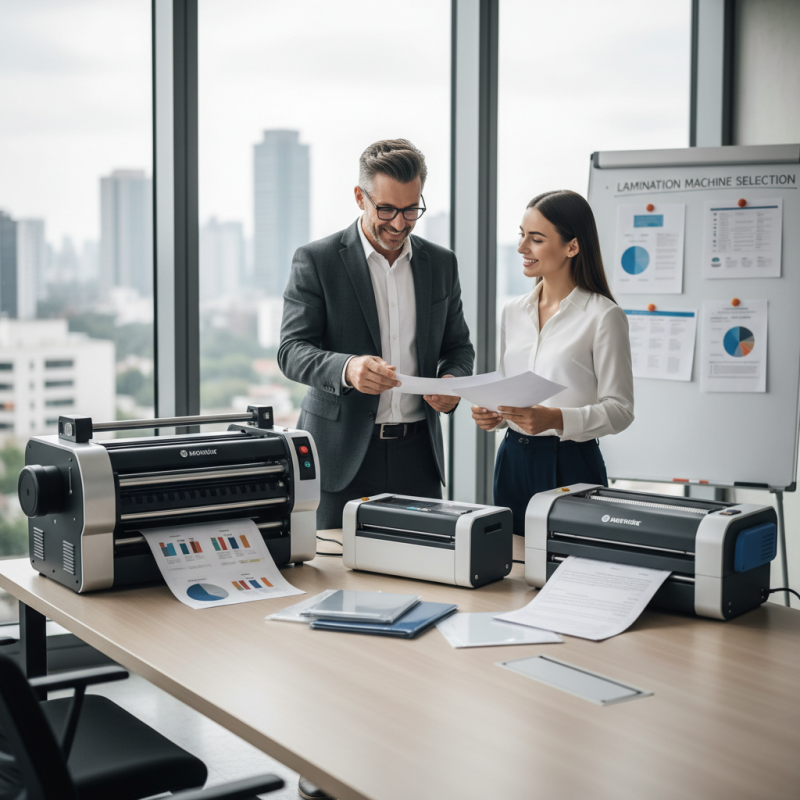
How to Choose the Right Lamination Machine for Your Needs?
Choosing the right Lamination Machine can seem overwhelming. Industry expert Mark Thompson notes, "The right machine can elevate your business." His insight reflects the importance of making an informed choice.
When selecting a lamination machine, consider your specific needs. Assess the volume of work you expect. Will you laminate large items or small documents? Think about the thickness of lamination pouches as well. Each factor impacts your decision.
Take time to research various models. Not all machines are created equal. Some may follow trends but not meet your standards. Comparing features and costs can help. It’s essential to avoid impulsive decisions. A carefully selected lamination machine can be an asset to your workflow. Reflect on your choices and aim for the best fit.
Understanding Different Types of Lamination Machines Available
When exploring lamination machines, understanding the different types is essential. Two common categories are Pouch Laminators and Roll Laminators. Pouch laminators are ideal for small projects, offering user-friendly operation and compact designs. They work by inserting items into pre-sealed pouches, providing a simple and effective way to laminate documents, photos, and cards.
Roll laminators, on the other hand, are designed for larger volumes. They use rolls of laminate film, making them suitable for business environments. According to a recent industry report, the demand for high-volume laminators has increased by 25% over the last five years. This surge is linked to the growing need for durable signage and marketing materials.
Choosing the right machine depends on your specific needs. Pouch laminators are easy to use, but they may not yield the heavy-duty results some projects require. Roll laminators can handle larger formats but may require a learning curve. Always consider the balance between cost and functionality. Investing in a bigger machine might seem appealing, but it could lead to unnecessary complexity if your volume needs are modest.
Assessing Your Project Requirements and Volume Needs
When selecting a lamination machine, understanding your project requirements is crucial. Consider the types of materials you will laminate. Different machines handle various thicknesses and sizes. A small project might only need a basic model. Larger projects, on the other hand, require more robust features. It can be easy to overlook these specifics, but doing so might lead to frustration later.
Volume needs also play a significant role in your decision. Are you laminating daily or just occasionally? High-volume tasks demand faster, more efficient machines. If you choose a slower model, you may face delays. This could impact your overall productivity. It’s worth assessing how often you plan to use it. Reflecting on the frequency of projects can guide you in the right direction. Think about your workflow. Do you tend to rush? This could lead to mistakes and wasted materials.
Key Features to Consider When Selecting a Lamination Machine
When selecting a lamination machine, several key features are essential to consider. First, think about the types of materials you plan to laminate. Some machines handle thicker pouches better than others. If you frequently work with photos or documents, a machine with adjustable temperature settings can help. Different materials require different heat levels.
Pay attention to the size of the machine as well. It needs to fit your workspace comfortably. Also, consider the laminating speed. A faster machine may save time, but it can sacrifice quality. You want a balance between speed and a clean, professional finish. Don’t overlook the user interface. A machine that is difficult to operate can lead to errors and frustration.
Lastly, maintenance is crucial. Some models require regular cleaning and care. This may not be obvious at first, but it impacts long-term performance. Reflect on your needs carefully. What may seem like a minor feature can ultimately affect your workflow. Choosing wisely ensures you avoid costly mistakes down the line.
Budget Considerations for Your Lamination Machine Purchase
When selecting a lamination machine, budget is a crucial factor. Understanding your financial limits helps narrow down options. A higher price often means better features. But does that mean you need the most expensive one? Not necessarily. Assess what you truly require.
Look at essential features. A basic machine might suffice for everyday use. Yet, if you laminate thick materials, consider investing in a more robust model. Unexpected expenses may arise, such as maintenance or additional supplies. Don’t forget these costs when setting a budget.
Consider future needs as well. A machine that meets your current needs might not be suitable later. Grow your budget accordingly. This can prevent frequent replacements. Always revisit your budget. Reflect on what features you value most. Make adjustments as needed, ensuring your purchase aligns with both function and cost.
Maintenance and Support for Your Chosen Lamination Equipment
When choosing lamination equipment, maintenance and support are critical factors. Regular upkeep extends the machine's lifespan and ensures efficient performance. Industry data suggest that well-maintained machines can last up to 30% longer than neglected ones. However, many users overlook this aspect and often face unexpected breakdowns. Such issues can lead to significant downtime, impacting productivity.
Access to reliable support is equally important. A study found that 25% of businesses reported operational setbacks due to inadequate technical assistance. It’s essential to evaluate the service provided by your equipment supplier before making a purchase. Look for those offering comprehensive after-sales services. This includes routine checkups, quick response times, and availability of spare parts. Remember, equipment is only as good as the support behind it.
Many users assume that all machines require the same level of maintenance. This is a misconception. Different models have unique needs. Understanding these requirements can help in avoiding costly errors. It’s crucial to consult user manuals and follow the recommended guidelines. Despite the general belief that factory settings suffice, customizing maintenance routines can lead to better outcomes. Reflecting on these points may help in making an informed choice about your lamination machine.