How to Choose the Right Conveying Device for Your Business?
Choosing the right Conveying Device for your business is crucial to operational efficiency. According to industry expert John Smith, "Selecting the right conveying device can make or break your production line." This insight highlights the importance of understanding your options.
A conveying device is not just a tool; it shapes your workflow. Factors such as material type, weight, and space constraints can significantly influence your choice. For instance, a belt conveyor is great for bulk items, while a pneumatic system suits lighter materials. Every business is unique. Your requirements may not fit a standard solution.
Yet, many still hesitate when making a decision. The consequences of poor choices can be costly. Investing time in research and consultation is essential. Balancing budget concerns with functionality is often a complex task. Keep in mind that the right conveying device will enhance productivity and reduce downtime, leading to long-term benefits.
Understanding Different Types of Conveying Devices and Their Functions
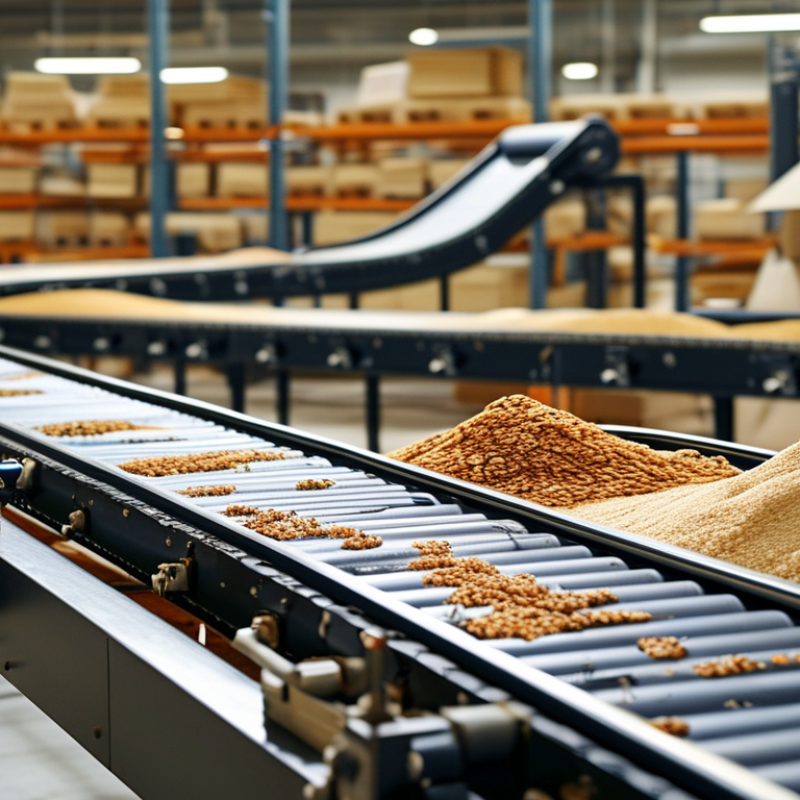
When selecting a conveying device, it’s crucial to understand the various types available. Each device serves different purposes, influencing efficiency and productivity. For example, belt conveyors are versatile. They are suitable for moving bulk materials over long distances. They can handle different weights and sizes, making them a popular choice.
Another option is screw conveyors. They excel in transporting granular materials. They are compact and efficient. However, they might not be the best fit for fluids. Understanding these nuances is vital. Misjudging the application can lead to inefficiencies and increased costs.
Then, there are pneumatic conveyors, which use air pressure for movement. They are effective for lightweight materials but may require higher maintenance. It’s essential to weigh these factors carefully. Choosing the wrong type may cause operational challenges. Assessing the specific needs can help avoid these pitfalls. Understanding your materials and processes is key.
Distribution of Different Types of Conveying Devices
Assessing Your Business Needs and Material Handling Requirements
Choosing the right conveying device for your business starts with understanding your specific needs. Analyze the types of materials you need to handle. Different materials have different requirements. For instance, bulk materials require different solutions than fragile items. Weight, size, and handling characteristics are crucial factors.
Consider the environment where the conveying device will operate. Will it be indoors or outdoors? Harsh conditions may require more durable options. Think about the space available. A compact design might be necessary if space is limited. Reflect on how often you need to change or adjust the system. Frequent changes may require more flexible equipment.
Lastly, think about the integration with your current systems. Can the new device work seamlessly with existing workflows? Evaluate potential downtime during installation. This can impact productivity and costs. Understanding these elements can help refine your options and lead to better choices. Choose wisely. Each decision shapes your operational efficiency.
Evaluating the Efficiency and Capacity of Conveying Systems
Selecting the right conveying device requires an understanding of system efficiency and capacity. An efficient conveying system significantly impacts productivity. According to a 2022 industry report, poorly designed systems can reduce productivity by up to 30%. Evaluating the flow rate and material characteristics is critical. Different materials demand unique handling approaches. Loose materials might flow efficiently in a belt system, while others may require a screw conveyor.
Capacity is also crucial. The system must match your daily production needs. For instance, pneumatic conveyors excel in volume flexibility. Research shows they can handle capacities of up to 500 tons per hour, depending on the application. On the other hand, an oversized system can lead to unnecessary energy consumption. An industry survey revealed that 25% of businesses experience high energy costs due to improper sizing of conveying devices. Regular audits are essential to optimize performance and efficiency.
In practice, many businesses overlook production mapping. Understanding peak times can inform system design. This insight helps prevent bottlenecks. Additionally, using data to monitor system performance fosters continuous improvement. It encourages adaptive changes based on real-time data, promoting reliability. Investing time in these evaluations can yield significant returns. It reveals areas for improvement and assists in selecting the right conveyor for long-term success.
Consideration of Budget, Maintenance, and Operational Costs
When selecting a conveying device, understanding budget, maintenance, and operational costs is crucial. According to industry reports, nearly 30% of businesses face unplanned downtime due to inadequate maintenance. This can lead to increased operational expenses, impacting your bottom line. Frequent maintenance is essential, but this can also strain financial resources. It’s vital to analyze the total cost of ownership (TCO) associated with devices.
Tips: Assess the frequency of required maintenance before purchase. Some devices may require more downtime and repairs than others. Choosing equipment with a longer lifespan can offset initial costs.
Operational costs vary significantly by device type. A study by the Material Handling Industry of America shows that automated systems often reduce labor costs by up to 20%. Yet, these systems might require an upfront investment that can be challenging for smaller businesses. Understanding the forward-looking costs, including energy use and personnel training, is equally important.
Tips: Create a spreadsheet comparing different devices' ongoing costs. Use this to visualize potential savings. Regular assessment of these costs can inform better decision-making. Remember, the cheapest option isn't always the most cost-effective in the long run.
Ensuring Safety Standards and Compliance in Conveying Equipment
Selecting the right conveying device is crucial for your business. Safety standards and compliance are often overlooked. Yet, they are vital for operational efficiency. Equipment that doesn’t meet regulations can lead to serious accidents. This can jeopardize both employee safety and business reputation.
Each conveying system should undergo a thorough risk assessment. Evaluate potential hazards associated with its operation. Are the proper guards in place? Is the emergency stop functional? Employees must be trained to understand these safety protocols. Regular audits can help identify compliance gaps. This will ensure that all standards are met.
While considering safety, don’t ignore system performance. An overly complex setup may lead to operational delays. Simplification can enhance safety and efficiency. Always seek feedback from operators. Their insights can reveal potential issues you might miss. Striking a balance between safety and functionality is key for sustainable operations.