How to Choose Neutral Silicone Sealant for Your Projects?
Choosing the right sealant for your projects can be daunting. A Neutral Silicone Sealant stands out for its versatility and durability. Whether you are sealing windows, doors, or bathroom fixtures, the right sealant is crucial. It offers a clean finish and excellent adhesion properties.
Many people overlook the importance of selecting a suitable sealant. They often choose the first product they see. This can lead to disappointing results, such as peeling or cracking. Take the time to consider your specific needs. Look for a Neutral Silicone Sealant that is resistant to mold and mildew. This feature is especially important in damp environments.
Experience shows that not all silicone sealants are created equal. It's essential to check for product reviews and expert recommendations. Understanding the application process is also necessary. A poorly applied silicone sealant can be just as ineffective as the wrong product. Proper preparation can make a significant difference in the outcome. Make an informed choice to ensure the success of your project.
What is Neutral Silicone Sealant and Its Benefits?
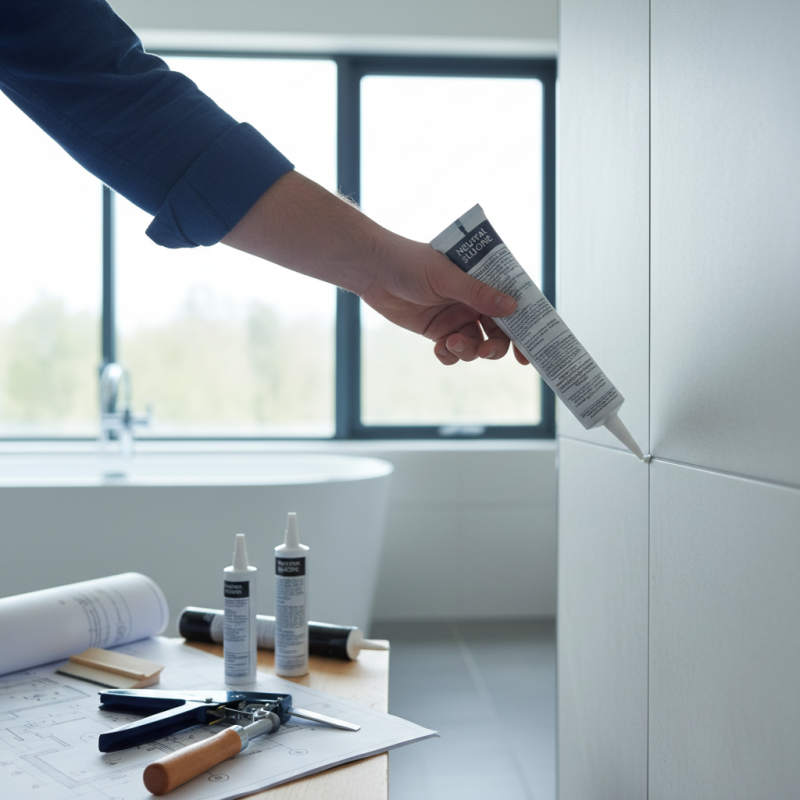
Neutral silicone sealant is an essential material for various projects. It is versatile and offers numerous benefits that make it a favorite among professionals and DIY enthusiasts. This sealant is known for its ability to bond effectively to different surfaces. Whether you are working with glass, metal, or wood, neutral silicone can provide a reliable seal.
One of the significant advantages of neutral silicone sealant is its weather resistance. It can withstand extreme temperatures and harsh environmental conditions without losing its effectiveness. This durability ensures that your projects will stand the test of time. Neutral silicone also remains flexible after curing, allowing it to adapt to movements in building materials. This flexibility minimizes the risk of cracks or breaks in the seal over time.
Moreover, neutral silicone sealants are low in odor and free from acetic acid. This feature makes them suitable for indoor applications, such as kitchens and bathrooms. However, selecting the right sealant can be tricky. Not all silicone sealants are created equal, and poor choices may lead to future problems. Understanding the specific requirements of your project is vital. Take the time to evaluate the surfaces you're working with and consider compatibility.
Neutral Silicone Sealant: Benefits and Usage Comparison
Key Factors to Consider When Choosing Neutral Silicone Sealant
Choosing the right neutral silicone sealant for your project requires consideration of several key factors. One important aspect is the sealant’s curing time. Typical curing times range from 24 to 48 hours, affecting how quickly a project can be completed. According to industry reports, faster curing options are preferred in commercial settings to minimize downtime.
Another critical factor to evaluate is the sealant's adhesion properties. Neutral silicone sealants typically bond well to non-porous surfaces, making them ideal for glass, metal, and plastic applications. However, some sealants struggle with porous materials. Data suggests that nearly 30% of sealant failures result from poor adhesion to surfaces. Ensure to review technical data sheets and adhesion tests prior to selection.
Temperature and environmental resistance also play a significant role. Many neutral silicone sealants withstand temperatures ranging from -60°F to 400°F. However, specific formulations excel at resisting extreme conditions better than others. For instance, a sealant's performance can decline significantly over time if exposed to UV light or extreme humidity. It's essential to consider the specific conditions your project will face to ensure longevity and effectiveness.
How to Choose Neutral Silicone Sealant for Your Projects? - Key Factors to Consider When Choosing Neutral Silicone Sealant
| Factor | Description | Importance Level | Typical Applications |
| Curing Time | Time taken for the sealant to fully cure and form a bond. | High | Windows, doors, and sealing gaps. |
| Temperature Resistance | Ability to withstand extreme temperatures without failure. | High | HVAC applications, outdoor settings. |
| Adhesion Properties | Effectiveness in bonding to various substrates. | Medium | Glass, metal, and plastics. |
| Mildew Resistance | Resistance to mold and mildew growth. | Medium | Kitchens, bathrooms, and wet areas. |
| Color Options | Variety of colors to match surfaces. | Low | Aesthetic applications. |
| Flexibility | Ability to expand and contract without cracking. | High | High movement joints and parking structures. |
Different Applications of Neutral Silicone Sealant
Neutral silicone sealants have become vital in various industries due to their versatility and strong performance. They are particularly suited for applications in construction, automotive, and electronics. Their ability to withstand extreme temperatures and weather conditions makes them ideal for external and internal sealing tasks. A report from the Adhesive and Sealant Council (ASC) shows that the demand for such products is projected to grow at a compound annual growth rate (CAGR) of 4.5% through 2026, reflecting their importance in modern applications.
In construction, neutral silicone sealant is utilized for glazing and sealing windows and doors. It adheres well to glass and metal surfaces, ensuring durability and energy efficiency. The automotive sector also relies on these sealants to provide waterproofing and vibration resistance. Furthermore, in electronics, they protect sensitive components from moisture. A study by MarketsandMarkets indicates that the global market for sealants in electronics is set to reach $3 billion by 2025, highlighting a significant reliance on neutral silicone sealants.
However, choosing the right neutral silicone sealant can be challenging. Factors such as environmental exposure and application requirements must be considered. Some users may find their initial choice leads to adhesion failures or degradation over time. Continuous assessment and feedback on performance are essential in refining selections. Ultimately, relying on professional consultations and industry reports can enhance decision-making, ensuring the chosen sealant meets specific project demands effectively.
How to Properly Apply Neutral Silicone Sealant for Best Results
Applying neutral silicone sealant requires careful attention to detail for optimal results. Start by ensuring the surfaces are clean and dry. Dust, grease, or old sealant can prevent proper adhesion. Use a good cleaner or solvent to prepare the area. Once prepped, apply painter's tape around the edges to create clean lines. This step makes a noticeable difference in the final appearance.
When applying the sealant, use a caulking gun to dispense it steadily. Hold the gun at a 45-degree angle for better control. Aim for a continuous bead of sealant. Avoid rushing; a smooth, even application is crucial. If you find bubbles or irregularities, don't hesitate to fix them promptly. You may want to smooth the sealant with a damp finger or a smoothing tool. This process can enhance the bond and overall finish.
After sealing, give the silicone time to cure. It’s essential not to disturb the seal until it's fully dry, typically 24 hours. This waiting period can be frustrating but is critical for durability. Inspect the final product for any missed spots or uneven areas. Reflecting on your technique can improve your skills for future projects.
Common Mistakes to Avoid When Using Neutral Silicone Sealant
Using neutral silicone sealant can seem straightforward, but many common mistakes can undermine your project. One frequent error is not preparing the surface properly. Clean the area thoroughly, ensuring it's free of dust and grease. A quick wipe with isopropyl alcohol can make a big difference. Ignoring this step may lead to poor adhesion, risking the durability of your seal.
Another mistake is over-applying the sealant. It's tempting to use more for better results, but too much can create an unsightly mess. A bead that is too thick may not cure properly. Instead, apply a uniform line, following the joint's contour. Use a damp finger or a tool to smooth it out. This technique enhances aesthetics and functionality.
Timing is crucial, too. Many forget to apply and tool the sealant within the recommended time frame after dispensing. Sealant that has started to skin over will not bond correctly. Be mindful of ambient temperature and humidity as they influence curing time. Rushing through these details can compromise your work, leaving you frustrated with the result.