How to Choose the Best Sludge Dryer for Your Needs?
Selecting the right Sludge Dryer is crucial for optimizing waste management processes. According to a recent report by the Environmental Protection Agency, effective sludge drying can reduce the volume of waste by up to 90%. This not only cuts disposal costs but also minimizes environmental impact. Industry expert Dr. Emily Carter stated, “The choice of a sludge dryer can significantly influence efficiency and sustainability in waste treatment.”
Understanding the varied options can be overwhelming. Different sludge types require different drying methods, leading to diverse functionalities and capacities. Some dryers use thermal heating, while others may rely on mechanical methods. Sizing and efficiency ratings must match your operational needs. A bad choice can lead to high energy use and underperformance.
The stakes are high, and making a poor decision could lead to operational failures. Each facility has unique requirements based on its waste composition and processing goals. It’s vital to assess these needs carefully. When improperly evaluated, the consequences may not surface right away but can escalate over time. Balancing cost with performance in a Sludge Dryer is essential for long-term success in waste management strategies.
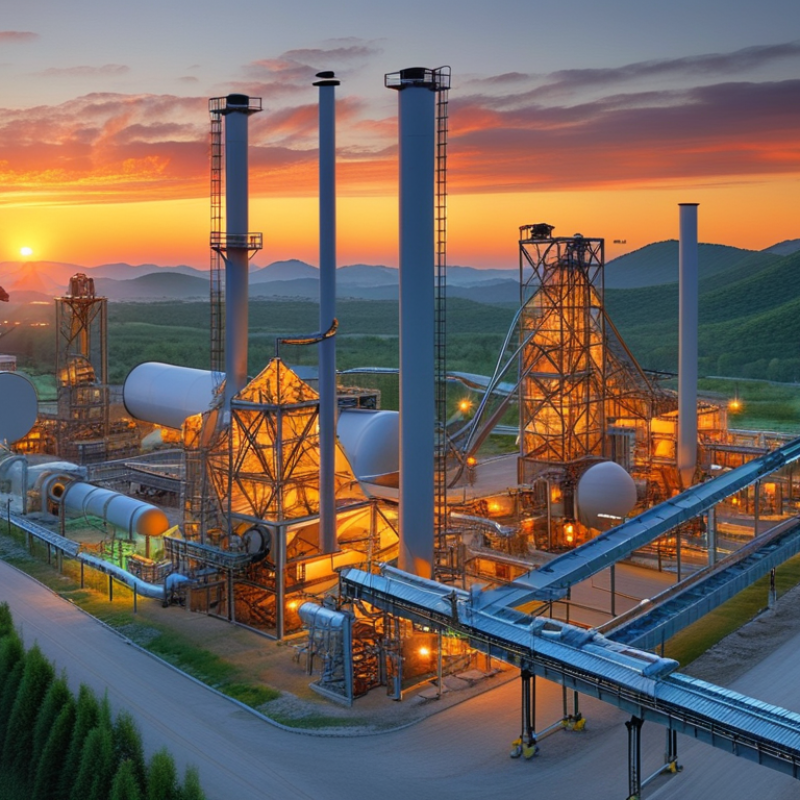
Understanding Sludge Dryers: Types and Their Applications
Sludge dryers play a crucial role in waste management. Understanding their types and applications can greatly influence your choice. Different dryers are designed for specific needs. The two primary types are convection and conduction dryers. Convection dryers use hot air to evaporate moisture, while conduction dryers transfer heat directly to the sludge. Each method has distinct advantages and drawbacks.
When selecting a sludge dryer, consider the sludge composition. For example, high-fat content sludge might require a different approach than organic waste. Additionally, assess the volume of sludge generated regularly. A small facility may benefit from smaller, more energy-efficient units. On the other hand, a large plant likely requires a robust system with higher capacities.
Tips: Always evaluate energy consumption and operational costs. Higher initial investments may lead to long-term savings. Regular maintenance is essential for optimal performance, yet many facilities overlook it. Addressing this can significantly enhance efficiency and lifespan. Don’t forget the importance of scalability; ensure your choice can adapt to changing needs.
Sludge Dryer Types and Their Applications
Key Factors to Consider When Choosing a Sludge Dryer
When selecting a sludge dryer, understanding key factors is vital. The type of sludge plays a significant role. Different sludge types have unique moisture content, each requiring specific drying methods. For instance, thickened sludge may need a different approach compared to dewatered sludge. Knowing the characteristics of the sludge you are working with can lead to a more efficient process.
Energy consumption is another critical factor. A dryer with high efficiency may require a larger upfront investment, but it can save money in the long run. Evaluating energy costs versus the dryer’s efficiency could reveal surprising insights. A dryer that seems cheap initially might lead to increased operational costs over time.
Additionally, consider maintenance needs and operational simplicity. Complex systems may promise better results but often require more frequent repairs. They may not always be user-friendly. Balancing ease of use and maintenance with performance can be challenging. The choices seem overwhelming, and it's essential to reflect on what truly matters for your specific situation.
Evaluating Efficiency and Energy Consumption in Sludge Dryers
When selecting a sludge dryer, evaluating energy consumption is paramount. Efficient energy use often translates to reduced operational costs. Look for dryers designed with advanced thermal technologies. These systems can maximize heat recovery. This process minimizes energy waste and enhances overall efficiency.
Assessing the dryer’s efficiency is just as crucial. Consider how effectively it reduces moisture content. A dryer that operates at high efficiency will require less energy over time. Examine the drying rates and how they relate to energy input. Higher drying capacity can lead to faster throughput. However, always weigh this against total energy expenditure.
Also, reflect on operational versatility. Some dryers may perform well in one condition but falter under different circumstances. An effective sludge dryer should adapt to varying sludge types and moisture levels. A one-size-fits-all approach may seem appealing but often leads to inefficiencies. Choosing the right dryer is not solely about immediate efficiency; it’s about finding a balance that works for your specific requirements.
How to Choose the Best Sludge Dryer for Your Needs? - Evaluating Efficiency and Energy Consumption in Sludge Dryers
| Model | Drying Capacity (kg/h) | Energy Consumption (kWh) | Efficiency (%) | Price Range ($) |
| Model A | 200 | 150 | 90 | 5000 - 7000 |
| Model B | 300 | 180 | 85 | 6000 - 8000 |
| Model C | 250 | 160 | 88 | 5500 - 7500 |
| Model D | 350 | 200 | 92 | 7000 - 9000 |
| Model E | 400 | 220 | 95 | 8000 - 10000 |
Comparing Costs: Initial Investment vs. Long-Term Savings
When choosing a sludge dryer, comparing costs is crucial. The initial investment may seem steep. However, understanding long-term savings can shift your perspective. Sludge dryers vary significantly in price based on technology and capacity. Higher efficiency models often require a larger upfront cost but reduce operating expenses over time.
Consider operating costs such as energy consumption and maintenance. A less expensive model might incur higher electric bills. Some may need frequent repairs, adding to overall expenses. Conversely, investing in a higher-quality unit may pay off quickly. It might provide more stable performance and require less downtime.
Look at total cost of ownership. This approach factors in all expenses beyond the purchase price. Evaluating your facility’s specific needs can reveal hidden costs. It’s essential to assess both initial and long-term implications. Sometimes, spending more now can lead to significant savings. Reflecting on this balance will guide your decision-making.
Maintenance and Support: Ensuring Longevity of Your Sludge Dryer
Maintaining a sludge dryer is crucial for its longevity and efficiency. Regular maintenance checks can prevent unexpected breakdowns. Simple tasks like cleaning filters and checking seals speak volumes. Many users overlook these, thinking they are minor. However, neglecting these tasks can lead to significant issues down the line.
Expert guidance is essential for effective maintenance. Consulting with experienced technicians can illuminate best practices. They can provide tailored advice based on your dryer model and operational environment. Additionally, consider keeping a log of maintenance activities to track performance trends. This helps you identify potential problems early. Maintenance is not just a checklist; it's a proactive approach.
Support from manufacturers can greatly enhance your dryer’s lifespan. Some companies offer training programs and resource materials. This ensures you and your team know how to handle routine issues. However, not all support is equal. Seek out providers known for reliable customer service. Remember, the key to a long-lasting sludge dryer is not just in the machine itself but also in the care it receives.