Empowering Engineering Excellence: Innovate, Elevate, Deliver.
Choosing a Compressor Boring Machine starts with the work you actually perform, not the largest specification on a brochure. A shop rebuilding small compressor cylinders has different needs from a facility handling heavy industrial components. Measure typical bore diameters, cylinder lengths, and workpiece weights before comparing machines. These figures help narrow the required boring range, spindle travel, and setup capacity.
Accuracy matters, but it depends on the full setup. Check the machine’s stated tolerances, rigidity, alignment method, and compatibility with suitable cutting tools. Ask how the workpiece is secured, how adjustments are made, and whether the machine can reach the surfaces you need to bore. A compact unit may fit a crowded workshop. A larger machine may save repeated repositioning. Neither choice is automatically better.
Small details count.
Also consider operator training, routine maintenance, spare-part availability, and the supplier’s technical support. Request written specifications and, where practical, a demonstration using a representative component. Confirm what accessories are included; a quoted price may not cover the fixtures or tooling needed for your jobs. There is no shortcut. The right choice balances capability, floor space, budget, and workload without paying for features that will sit unused.
Some trade-offs remain difficult to judge from a product sheet alone. In particular, real-world setup time can vary with operator experience and component shape. Treat advertised performance as a starting point, then verify it against your own requirements. This guide outlines the questions to ask before purchasing, so your decision rests on measured needs rather than assumptions.
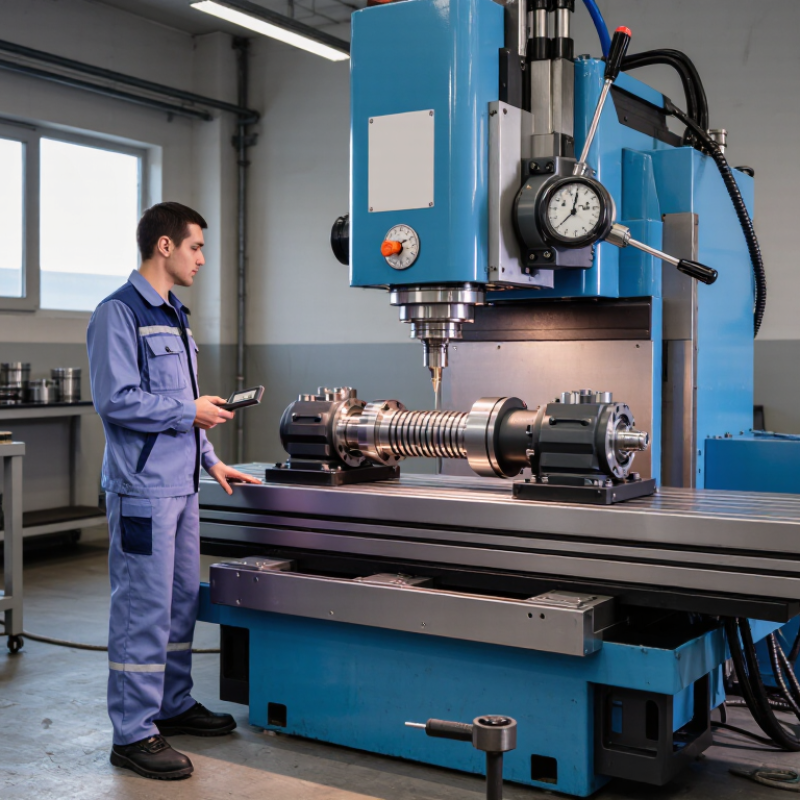
A compressor boring machine enlarges or corrects a cylinder bore with a rotating cutting tool. The workpiece is clamped firmly, then aligned with the spindle so the cutter follows the bore’s axis. Even slight misalignment can leave a tapered or uneven surface. Small errors matter.
As the spindle turns, a controlled feed moves the cutter through the cylinder. The operator removes material in measured passes, checking the diameter with a suitable bore gauge between cuts. This helps keep the bore within its required size and shape. Cutting fluid may reduce heat and help carry away chips, depending on the machine and material. The final surface should be checked for tool marks and consistency, not judged by appearance alone. Setup details vary, so the machine manual and component specifications should guide each job.
Tips: Clean the cylinder and fixture before setup. Check alignment and tool condition, then make a light test cut if appropriate. Measure at several depths and angles; one reading can miss a tapered bore. It is easy to rush this step, and that is worth resisting.
Before choosing a compressor boring machine, define the job in measurable terms. Note the required bore diameter, depth, roundness, and surface finish. Record how many workpieces you expect to process per shift. If the machine will handle several sizes, list the full range rather than relying on one typical part. A precise requirement helps you compare spindle travel, working capacity, and available tooling.
Workpiece details matter just as much. Measure its length, width, weight, and existing bore, then check whether its shape allows stable clamping. Cast iron, steel, and aluminum can cut differently, so match cutting tools and operating speeds to the material. Consider nearby walls, ribs, or uneven surfaces that may limit tool access. Measure twice. A common oversight is choosing a machine with enough capacity for the part, but too little clearance for the fixture. Fit matters.
Tips: Bring a drawing or a sample workpiece when discussing machine capacity. Confirm bore alignment and tolerance requirements with your production or quality team. Ask how the machine supports repeatable setup, and verify operating details against its specifications. Leave room for the tool and fixture, not just the workpiece. One detail can change the setup.
A compressor boring machine should match the component, not just the workshop’s available floor space. Portable line-boring machines suit large housings that cannot be moved easily. Stationary horizontal boring machines handle heavier parts and repeatable setups. CNC models can improve consistency across multiple bores, but they need suitable programming and tooling. Fit matters.
Compare the machine’s boring diameter, spindle travel, and workpiece capacity with your actual parts. A machine rated for the bore diameter may still lack enough spindle travel or table load capacity. Check fixture access, tool-shank sizes, electrical supply, and whether the machine can hold the alignment tolerances your compressor components require. Measure a real workpiece before purchasing; catalog dimensions rarely show every setup limitation.
Compatibility also affects operating costs. The U.S. Department of Energy’s Improving Compressed Air System Performance sourcebook reports that compressed-air systems use about 10% of industrial electricity, reaching 30% at some facilities. That figure is not a boring-machine efficiency rating, but it underscores why air demand belongs in a workshop utility check. Verify required air pressure and flow against your compressor’s delivered capacity, not its tank size alone. A mismatch can cause pressure drops during cutting. It is easy to overlook. Compare the machine’s stated accuracy with documented test procedures, such as those described in ISO 230-1, and ask how accuracy changes under load.
How to Choose a Compressor Boring Machine for Your Needs
Evaluating Accuracy, Power, Safety, and Maintenance Needs
Choose a machine around the bore sizes and tolerances you actually need, not its maximum horsepower. Ask for a test cut, then measure the bore at several depths with a calibrated gauge. Check taper and roundness, not just the displayed diameter. ISO 230-1:2012 describes geometric accuracy tests for machine tools, but your component drawing sets the acceptable tolerance. Small differences matter.
Match spindle torque and feed range to the material and cutting tool. A powerful motor cannot compensate for a flexible setup. Safety deserves equal attention: inspect guarding, workholding, emergency stops, and access for clearing chips. The U.S. Bureau of Labor Statistics reported 2.8 recordable injury and illness cases per 100 full-time workers in manufacturing in 2023. That sector-wide figure is not machine-specific, but it is a reminder to evaluate hazards before purchase. Also check lubrication points, service access, and replacement-part availability. Maintenance plans can look simple on paper.
Tips: Ask the supplier to demonstrate a cut in your typical material. Bring your own measuring tools, if possible. A tidy demo is not a full production test. I would also ask how alignment is checked after routine service; that detail is easy to overlook.
Suggested evaluation priorities for comparing machines against your job requirements
Accuracy and power are weighted most heavily in this example, while safety and maintenance remain essential selection factors. These percentages are a suggested starting framework, not measured product specifications; adjust them to match your workpiece, operating conditions, and service capabilities.
A compressor boring machine should match the cylinder sizes, repair volume, and working space you actually have. A low purchase price can be misleading if the machine needs costly tooling or frequent setup changes. Compare the full starting cost: cutters, fixtures, measuring tools, training, and service. For occasional repairs, a simpler setup may be more practical. A busy shop may benefit from adjustable feeds and repeatable alignment. Check the required bore range and cutting depth against real jobs, not only the largest job you expect to handle.
Tips: Measure your narrowest doorway and available floor space. Confirm power requirements, workpiece weight, and tool availability before ordering.
Operating conditions shape the choice. A dusty shop, limited power supply, or frequent machine moves can affect setup and maintenance. Ask how the machine handles the compressor materials you service, and whether its clamping system holds the cylinder securely without distorting it.
Request a demonstration on a comparable workpiece, then inspect the finished bore with suitable measuring tools. Ask about calibration, replacement cutters, and expected service intervals. These details affect downtime as much as the initial price.
It is easy to overbuy capacity. It is also easy to overlook setup time. A written list of typical jobs helps reveal which trade-off matters most for your shop.