Empowering Engineering Excellence: Innovate, Elevate, Deliver.

2026 How to Choose the Best LT Winding Machine

Choosing the right Lt Winding Machine in 2026 means looking beyond speed claims. Low-voltage transformer production depends on repeatable turns, controlled wire tension, and clean insulation placement. A loose winding can waste copper and create costly rework. Small details matter. The International Energy Agency’s 2023 report, Electricity Grids and Secure Energy Transitions, says annual grid investment must rise from about USD 300 billion to more than USD 600 billion by 2030 to meet climate goals. That forecast does not measure winding-machine sales, but it signals growing pressure on equipment makers to deliver reliable components at scale.

The report also frames the wider challenge. IEA Executive Director Fatih Birol has said, “The world’s electricity grids are struggling to keep up with the rapid growth of clean energy technologies, such as solar and wind.” This is an energy-sector perspective, not a machine-specific recommendation. Buyers should still compare measurable machine capabilities: wire-size range, winding accuracy, coil dimensions, changeover time, safety features, and access to service and spare parts. Ask suppliers to demonstrate your actual winding pattern, not just a polished sample. Then check the finished coil’s dimensions and tension.

A specification sheet cannot reveal every shop-floor problem. It may miss awkward loading or a setup that takes too long. That matters. This guide examines how to match machine capacity with real production needs, evaluate automation without overbuying, and verify supplier claims before purchase. Some trade-offs remain; the best choice depends on the work your factory actually runs.
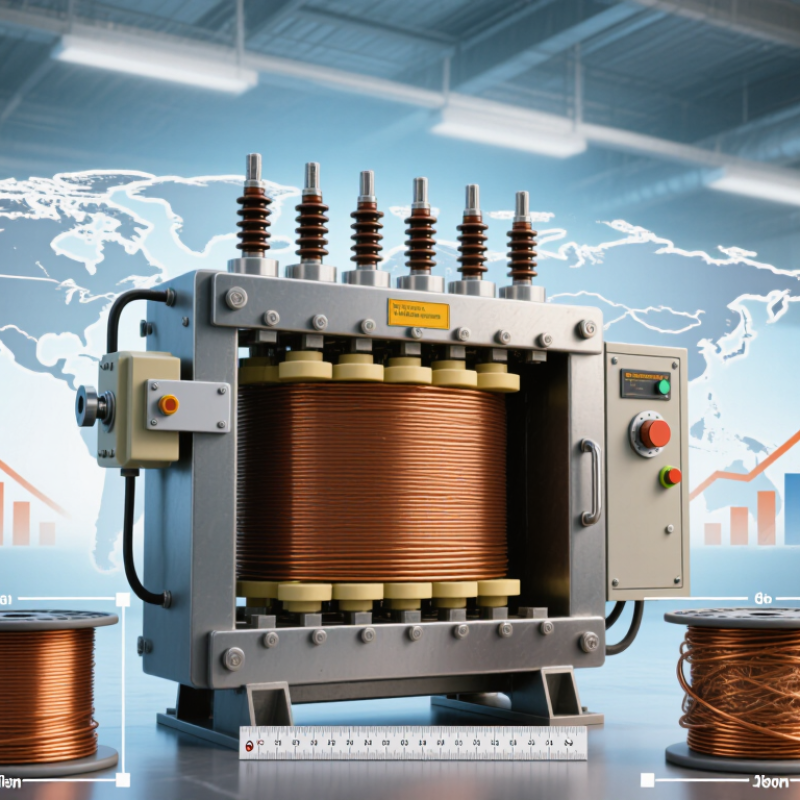
2026 How to Choose the Best LT Winding Machine

Understanding LT Winding Machines and Their Applications

An LT winding machine forms low-voltage coils by guiding insulated copper or aluminum conductor onto a former or transformer core. It controls rotation, wire placement, and tension so turns sit evenly without damaging insulation. Typical applications include distribution transformers, reactors, and other electrical coils. The exact setup depends on conductor width, coil dimensions, and the required number of turns. Small details matter. Uneven tension can leave loose turns at the edges, while excessive tension may stretch or mark the conductor.

When choosing a machine, match its winding capacity to the coils you actually produce, not just the largest job on your schedule. Check its supported wire sizes, tension range, spindle dimensions, traverse accuracy, and turn-counting controls. Ask how settings are adjusted for different materials and layer patterns. During a trial, watch the conductor as it crosses the coil: does it track cleanly, stay flat, and stop reliably at the target count? Test before scaling. A neat sample coil is useful, but it does not prove every production run will behave the same. Record the settings and inspect finished coils for gaps, crossed turns, and insulation damage. A machine can look capable on paper and still be awkward for a particular shop’s workflow.

Defining Production Needs and Winding Requirements

Choosing the best LT winding machine starts with the parts you actually make. Record wire or strip material, diameter, coil dimensions, and target weight. Include the smallest and largest jobs, not just the average. A machine suited to one neat, repeatable coil may struggle with frequent product changes.

Define daily output and acceptable variation before comparing machine features. Note required winding speed, tension control, turn-count accuracy, and how operators load and remove each coil. For example, a heavy coil may need different handling than a small, delicate one. Check available floor space, power, tooling, and inspection steps too. A spreadsheet rarely captures every awkward setup; observe a real changeover if possible.

Tips: Bring sample material and drawings to a supplier discussion. Ask for a trial using your actual winding pattern, then inspect coil shape, tension consistency, and changeover time. Leave room for adjustment. Production plans change, and a specification that looks precise on paper can still miss a troublesome material variation.

Comparing Machine Capacity, Precision, and Control Features

2026 How to Choose the Best LT Winding Machine

Capacity, precision, and controls should be compared against the actual coil, not a brochure headline. The IEA’s Electricity 2024 report forecasts global electricity demand growth averaging 3.4% annually from 2024 to 2026. Its 2023 grid report says about 80 million kilometres of grids may need adding or replacing by 2040. These trends point to continued equipment needs, but they do not tell you which machine fits your production line.

Capacity matters. Check the usable wire-diameter range, winding width, maximum coil dimensions, and spindle load. Then test a representative job, including its heaviest wire and tightest winding pattern. Precision shows up in consistent tension, turn counts, and neat layer alignment. Ask for repeatability results across several coils, not just one successful demonstration. A spec sheet can hide setup time. That matters on busy shifts.

Controls can reduce variation when operators switch between jobs. Recipe storage, tension feedback, clear alarms, and production logs are useful features; confirm each works with your real materials. Watch an operator set up a job and recover from a simulated wire break. Simple screens help. Still, automation cannot fix poor tooling or unclear process settings. I would compare measured coil results and changeover time before paying extra for advanced controls. No single score captures every trade-off.

Evaluating Automation, Safety, Maintenance, and Supplier Support

2026 How to Choose the Best LT Winding Machine

Evaluating Automation, Safety, Maintenance, and Supplier Support

An LT winding machine should match your wire range, coil dimensions, and daily production volume. Check how operators set winding speed and tension. Then run a sample coil using your actual wire. Watch for uneven layers, wire damage, and time spent correcting settings. Automation can improve repeatability, but only when changeovers are straightforward. A polished demo is not enough.

Safety and maintenance deserve equal attention. Look for accessible emergency stops, clear guards, and controls operators can understand without guesswork. Ask how routine cleaning, lubrication, and wear-part replacement are performed. Can a technician reach the tensioning assembly without dismantling half the machine? That answer matters during a busy shift. I would also request a written maintenance schedule and realistic service response times. Supplier support sounds reassuring, but vague promises are hard to use.

Tips: Test several coil sizes before purchase. Record setup time, finished-coil consistency, and any operator adjustments. Ask who provides training and whether spare parts are readily available. Keep the test notes; small differences are easy to forget. And be candid about what your team still needs to learn.

Matching Machine Specifications to Budget and Long-Term Use

When choosing a low-tension winding machine, compare usable capacity with the work you actually run: wire diameter, bobbin size, winding speed, and tension range. A machine with precise tension control can reduce loose coils and wire damage, but only if operators can set and repeat its parameters. Ask for a demonstration using your own material. Watch the first layers closely.

Budget beyond the purchase price. Include tooling, installation, operator training, spare parts, and expected service downtime. The U.S. Department of Energy’s 2014 Improving Motor and Drive System Performance sourcebook estimates that motor-driven systems account for about 70% of U.S. industrial electricity use. That figure is not specific to winding machines, but it makes motor efficiency and standby consumption worth checking. Request measured power data at typical production settings, not just rated power.

For long-term use, check whether tension sensors, guides, and controls can be serviced or replaced without lengthy delays. Ask about support response times and parts availability in writing. Then compare total ownership costs over your expected service period. A low quote can hide expensive tooling. Payback forecasts are estimates, too; actual savings depend on workload, setup discipline, and maintenance. I would leave room in the budget for an imperfect first setup.

2026 How to Choose the Best LT Winding Machine - Matching Machine Specifications to Budget and Long-Term Use

Machine Option Typical LT Winding Work Typical Capability Range Indicative 2026 Budget (USD) Long-Term Advantages Best Fit
Manual or basic motorized winder Prototype coils, repair work, and low-volume production with frequent operator adjustments. Usually one winding position; capacity depends on the bobbin or coil fixture. Operator controls wire placement and often tension. About $1,000–$8,000 Lowest initial investment; simple controls and relatively straightforward maintenance. Small workshops, maintenance departments, and buyers validating a new coil design.
Programmable single-spindle winder Repeat production of LT coils where turn count, speed, and traverse position need consistent control. Typically one spindle with a programmable controller; features may include recipe storage, turn counting, and adjustable traverse. About $8,000–$25,000 Improves repeatability and reduces operator-dependent variation without the cost of a multi-station line. Small to medium production runs and shops with several recurring coil designs.
Automatic LT coil winding machine Regular production of transformer low-voltage coils with controlled winding programs and more automated operation. Often includes automatic turn counting, programmable traverse, and tension control; compatible coil dimensions and conductor sizes vary by model. About $20,000–$70,000 Can increase output consistency and reduce routine manual adjustments; check availability of local service and spare parts. Medium-volume production with stable product designs and a need for repeatable results.
Heavy-duty or multi-spindle system Higher-throughput production, larger coils, or multiple winding operations where the machine configuration supports the required process. May provide multiple spindles, higher load capacity, or dedicated tooling. These features are configuration-specific and should be confirmed against actual coil drawings. About $60,000–$180,000+ Potentially higher throughput and less handling per finished coil; requires greater investment in installation, tooling, and maintenance planning. High-volume facilities with predictable demand, adequate floor space, and trained maintenance staff.
Specifications to verify before purchasing
Coil and fixture dimensions Confirm minimum and maximum inner diameter, outer diameter, winding width, coil weight, and fixture compatibility using representative production drawings. Budget impact Oversized capacity can increase purchase and operating costs. Select a machine that covers current products and a realistic range of planned products.
Conductor and tension range Specify copper or aluminum conductor type, wire or strip dimensions, insulation, and required tension range. Ask for a winding trial to check conductor handling and insulation condition. Quality impact Suitable tension control and traverse alignment help achieve consistent winding; actual settings depend on conductor, coil design, and process requirements.
Controls and production data Check turn-count accuracy, recipe storage, speed adjustment, safety interlocks, and whether production data can be recorded or exported if required. Long-term impact Clear documentation, accessible components, and available technical support can matter as much as the initial automation level.
Total cost of ownership Include tooling, installation, operator training, utilities, preventive maintenance, spare parts, and any production downtime in the purchase comparison. Decision rule Compare quotations using the same coil samples, cycle-time assumptions, included accessories, warranty terms, and service requirements.
Budget figures are broad indicative planning ranges in USD, not quotations. Actual pricing and capability vary with configuration, tooling, automation, installation, and supplier location; verify specifications with a production trial before purchase.
Download
Brochure