Empowering Engineering Excellence: Innovate, Elevate, Deliver.
Choosing the right Fine Mesh Strainer With Handle can improve everyday cooking, baking, and beverage preparation. A dependable strainer should remove flour lumps, tea leaves, seeds, and fine pulp without slowing your work. However, appearance alone is not enough. Mesh size, frame strength, handle comfort, and cleaning performance matter more in daily use.
I have found that stainless steel models usually offer better durability and odor resistance than coated alternatives. Look for tightly woven mesh with no visible gaps or loose edges. A firm handle should stay cool enough to hold briefly and remain stable over a saucepan or mixing bowl. Small details help. A hanging loop saves drawer space, while a support hook prevents the strainer from slipping into liquid.
Check the measurements carefully.
The best mesh size depends on your ingredients. Very fine mesh creates smoother sauces and clearer drinks, but it may drain slowly and require gentle stirring. Wider mesh works faster, though tiny particles can pass through. Some product claims sound impressive, yet real performance depends on construction quality and proper care. I once favored an attractive low-cost strainer, but its edge bent after repeated washing. That experience changed my buying priorities.
Reliable choices should be easy to inspect, comfortable to use, and simple to clean. Before purchasing, compare user feedback, manufacturer specifications, and return policies. No strainer is perfect for every task. A thoughtful choice balances precision, durability, convenience, and realistic kitchen habits.
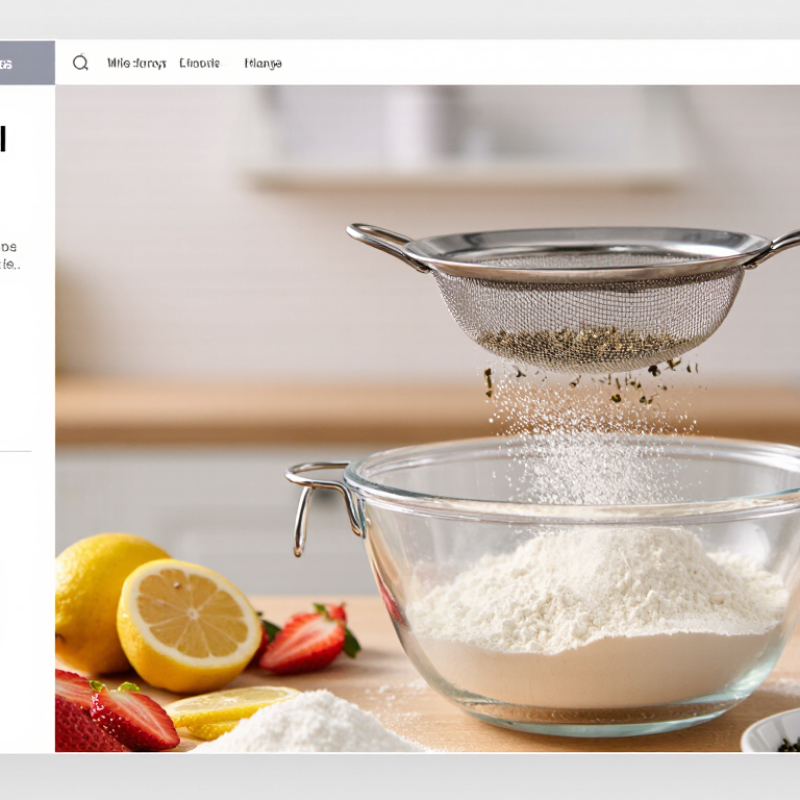
Fine mesh strainers with handles come in several useful forms. Woven-wire strainers, commonly ranging from 20 to 60 mesh, catch flour clumps, tea leaves, berry seeds, and fine stock particles. A 20-mesh bowl suits rinsing rice or draining pasta. A 40-mesh screen works better for powdered sugar and smooth sauces. Extra-fine mesh can clarify broth, but it drains slowly and clogs easily. Chinois strainers have conical shapes, making them practical for pressing cooked vegetables or filtering restaurant-style sauces. Perforated strainers are sturdier, though they allow more particles through.
Common use should guide the handle and frame choice. A long, heat-resistant handle keeps fingers away from simmering stock. Two support hooks help the strainer rest securely over a saucepan or mixing bowl. I have found that shallow baskets empty faster, while deeper baskets hold more wet ingredients. That difference matters when washing quinoa under running water. Small seeds can escape through loose seams, so inspect the rim and welds carefully. Minor design flaws matter.
The 2024 UNEP Food Waste Index Report estimates that 1.05 billion tonnes of food were wasted globally in 2022. A reliable strainer cannot solve food waste, but it can help recover pulp, grains, and usable cooking liquids. Choose corrosion-resistant stainless steel for frequent washing. The U.S. FDA Food Code also emphasizes cleanable, smooth food-contact surfaces. Fine mesh needs patient cleaning. I sometimes underestimate that part.
How to Choose the Best Fine Mesh Strainer With Handle
Choosing a fine mesh strainer starts with the mesh size. Smaller openings catch flour, tea leaves, seeds, and tiny pulp more effectively. However, extremely fine mesh can drain slowly and clog during thick mixtures. A medium-fine design may suit everyday cooking better. Check the mesh under bright light. The weave should look even, without loose wires or visible gaps.
The handle also deserves careful attention. A long, sturdy handle keeps your hand away from hot steam and splashing liquid. Look for a comfortable grip that does not twist when the strainer holds wet ingredients. A supporting hook or resting loop helps the strainer sit securely over a bowl. Stainless steel usually offers durability and easy cleaning, but thin metal may bend under pressure. I once chose a lightweight model that looked convenient. It warped after repeated use. That mistake changed how I judge construction.
Tips: Test the strainer over your usual bowl or saucepan before buying. The rim should rest evenly, not wobble. Rinse the mesh immediately after use, especially after straining starch or dairy mixtures. A soft brush can remove trapped particles without damaging the weave. Avoid forcing thick food through the mesh. It may stretch the wires. Also, inspect the handle connection regularly. Small weaknesses become obvious during heavy use. No strainer is perfect. Choose the one that matches your cooking habits, cleaning routine, and preferred level of filtration.
How to Choose the Best Fine Mesh Strainer With Handle
Mesh size should match the ingredient, not simply look finer. ASTM International’s E11-24 sieve tables list a No. 40 opening at about 425 micrometres. A No. 60 opening measures about 250 micrometres. No. 100 reaches approximately 150 micrometres. These figures provide a useful technical reference when comparing kitchen strainers.
For flour, cocoa, and powdered sugar, choose roughly 250–425 micrometres. This range removes small lumps without slowing every spoonful. Tea leaves, herb particles, and light stock sediments usually need about 150–250 micrometres. For clarified broths or nut-based liquids, a finer screen can improve smoothness. However, very fine mesh may clog quickly. Too fine can clog.
A handle also affects practical control. A long, heat-resistant handle keeps fingers away from hot liquid, while a resting hook stabilizes the strainer over a bowl. Check the listed aperture size, because “fine mesh” is not a universal measurement. Wire thickness can change the usable opening, even when two strainers show the same mesh count. I once selected a very fine screen for thick sauce and regretted it; the flow stopped within seconds. That experience remains useful. Match the mesh to the liquid’s thickness, expected debris, and cleaning routine. ASTM data offers precision, but kitchen testing still matters.
A fine mesh strainer should feel stable before it touches food. Grip matters. Choose a handle with a textured surface and enough length to keep fingers away from hot steam. A broad, slightly curved grip reduces wrist tension during repeated rinsing or draining. The U.S. Bureau of Labor Statistics’ 2023 American Time Use Survey reports that Americans spend about 37 minutes daily preparing food and drinks. Small ergonomic details matter during that time.
Stainless steel mesh usually offers strong corrosion resistance and easy cleaning. Look for a tightly attached mesh, smooth seams, and no sharp wire ends. Food-contact surfaces should follow recognized requirements such as NSF/ANSI 51, which addresses materials and finishes used in food equipment. The FDA Food Code also emphasizes durable, smooth, and cleanable utensils. These references help separate practical construction from attractive packaging.
Ease of use depends on balance. A hanging loop saves drawer space, while a resting hook keeps the mesh above a bowl. Check the rim size against your most-used pots and measuring cups. The 2024 Grand View Research kitchen utensils report identifies convenience and durability as major market drivers, but reports cannot predict your hand comfort. I once chose an ultra-fine mesh that trapped pulp and slowed breakfast preparation. It performed well, technically. It was annoying in practice. A washable, firmly mounted handle may be more valuable than the finest advertised mesh.
How to Choose the Best Fine Mesh Strainer With Handle
A fine mesh strainer should be cleaned soon after use, especially after filtering starch, dairy, or oily sauces. Rinse it under warm water from the underside first. This pushes trapped particles back through the mesh instead of driving them deeper. Then use mild dish soap and a soft brush. Scrub gently around the rim and handle joint.
Do not let residue dry.
I once left a strainer beside the sink overnight. The dried paste took much longer to remove and slightly bent the mesh during scrubbing. That mistake changed my routine. I now soak the strainer for a few minutes, rather than forcing stubborn debris through the screen. Avoid sharp tools and rough scouring pads, which can stretch fine mesh or damage its finish. Use a dishwasher only when the care instructions clearly allow it.
Storage affects service life. Shake out excess water, towel-dry the rim, and leave the strainer open to air before placing it away. Moisture trapped around a joined handle may encourage corrosion or unpleasant odors. Hanging storage keeps the mesh from rubbing against heavy cookware. If drawer storage is necessary, place it on top of softer utensils. Inspect the screen occasionally for loose wires, dents, or separation near the handle. A small defect can widen during later use. Replace it when cleaning no longer restores a clean, open mesh.
| Strainer Type | Typical Diameter | Mesh Opening | Common Construction | Handle and Support | Best Uses | Cleaning Method | Storage Requirements | Long-Term Maintenance | Expected Service Life |
|---|---|---|---|---|---|---|---|---|---|
| Small fine-mesh strainer | 8–12 cm | Approximately 0.25–0.50 mm | Stainless-steel mesh with a metal or reinforced rim | Short handle; usually rests on a cup or small bowl | Tea, powdered sugar, spices, small portions of sauces | Rinse immediately, then brush gently from both sides with a soft nylon brush | Hang by the loop or store upright so the mesh is not pressed against other tools | Inspect the rim and soldered joints monthly; remove trapped particles before drying | 5–10 years with normal household use |
| Medium general-purpose strainer | 14–18 cm | Approximately 0.50–0.80 mm | Stainless-steel mesh, rolled rim, and spot-welded handle | Long handle with a resting hook for bowl support | Rinsing rice, washing berries, straining stocks and sauces | Flush under warm running water; use mild dish detergent and a soft brush | Dry completely before nesting; avoid placing heavy cookware on the mesh | Check for bent mesh after each intensive use; straighten only minor rim deformation | 7–12 years with careful handling |
| Large bowl-resting strainer | 20–24 cm | Approximately 0.80–1.00 mm | Stainless-steel mesh with a wide rolled rim and support tab | Extended handle plus opposite support hook for stable placement | Large batches of pasta rinsing, vegetables, broth, and wet ingredients | Soak briefly to loosen residue, rinse thoroughly, and scrub with a soft brush | Store on a rack or hang from the handle; allow airflow around the bowl | Keep the support hook aligned; inspect welds and rim edges every 1–2 months | 8–15 years in a home kitchen |
| Extra-fine flour sifter | 14–20 cm | Approximately 0.15–0.30 mm | Fine stainless-steel screen in a rigid metal frame | Straight handle; may include a bowl-resting loop | Flour, cocoa powder, icing sugar, and very smooth purées | Tap out dry residue first; wash gently only when necessary to reduce clogging risk | Keep completely dry and protect the screen from contact with sharp utensils | Do not scrape with metal tools; examine for screen tears before each baking session | 4–8 years depending on frequency and impact exposure |
| Conical fine-mesh strainer | 16–22 cm | Approximately 0.40–0.80 mm | Stainless-steel mesh with a reinforced cone and solid rim | Long handle; opposite hook supports the strainer over a container | Clarifying stocks, filtering cocktails, sauces, and fruit purées | Rinse from the outside toward the inside, then use a soft brush around the cone tip | Hang vertically or store with the cone protected from compression | Check the tip, rim, and handle joint for dents or looseness; dry after acidic foods | 6–12 years with proper cleaning |
| Heat-resistant handled strainer | 16–20 cm | Approximately 0.50–0.90 mm | Stainless-steel mesh with a heat-resistant grip or insulated sleeve | Long handle designed to keep hands away from hot liquids | Hot broth, blanched vegetables, tea, and pan sauces | Cool briefly, rinse promptly, and clean the handle joint separately from the mesh | Avoid storing beside direct heat; keep any grip material dry and ventilated | Inspect the grip for cracking and the metal for discoloration or corrosion spots | 5–10 years, depending on heat exposure and handle construction |