Why Choose Permanent Magnet Screw Air Compressors for Efficiency?
In today's industrial landscape, energy efficiency is paramount. The Permanent Magnet Screw Air Compressor stands out as a remarkable solution for businesses seeking to enhance productivity. This technology utilizes powerful permanent magnets to drive the compressor, enabling superior energy savings. As industries confront rising energy costs, understanding the benefits of this innovative machinery becomes critical.
Many traditional compressors consume excessive energy, hampering overall performance. In contrast, the Permanent Magnet Screw Air Compressor minimizes energy wastage, which directly impacts operational costs. The efficiency of these compressors can lead to significant savings over time. However, it is essential to assess the specific needs of your operation before making a switch.
Utilizing a Permanent Magnet Screw Air Compressor can be a game-changer for businesses eager to optimize their processes. Yet, the transition may come with challenges. It's vital to consider factors such as initial investment and compatibility with existing systems. Ultimately, evaluating these compressors requires careful introspection to ensure that they align with your efficiency goals.
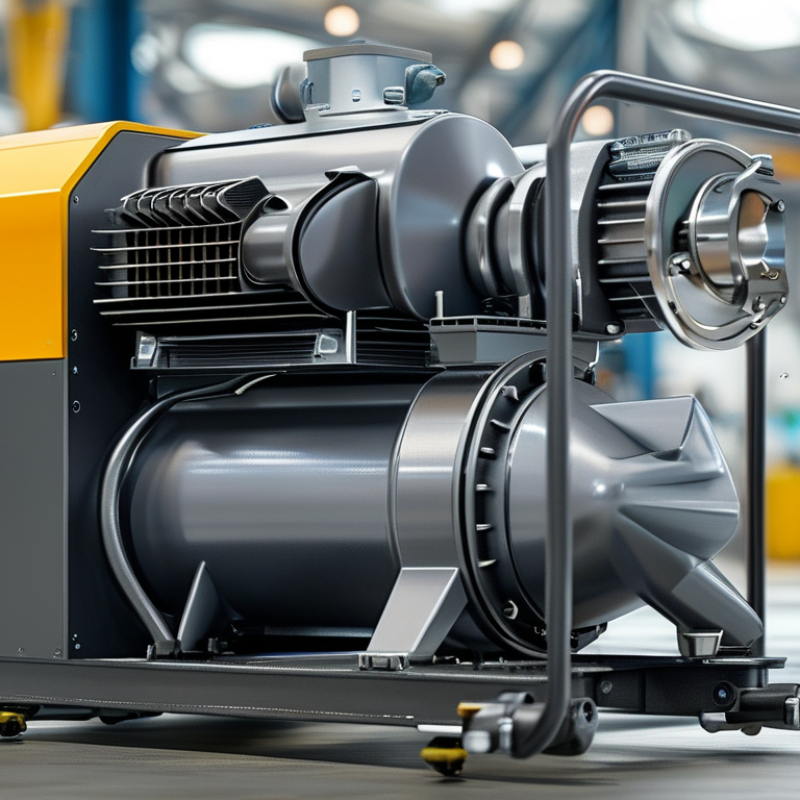
Factors Driving Efficiency in Permanent Magnet Screw Air Compressors
Permanent magnet screw air compressors stand out for their energy efficiency. Their design incorporates advanced technology that optimizes performance. A key factor in this efficiency is the use of permanent magnets. These magnets eliminate energy loss typically associated with traditional induction motors. By operating with lower heat generation, they boost overall effectiveness while reducing the need for extensive cooling systems.
It's also important to maintain these compressors properly. Regular maintenance can identify wear and tear early. This prevents efficiency losses over time. Operators should monitor energy consumption and operating hours. Tracking these metrics helps ensure that the equipment runs efficiently.
Consider the installation environment. Proper placement affects performance significantly. Ensure that the area is well-ventilated to facilitate cooling. This simple step can further enhance operational efficiency. Additionally, keeping your air intake clean plays a critical role. A clean intake allows for optimal airflow, reducing strain on the compressor. Regular checks on filters can lead to improved longevity and efficiency in the long run.
Efficiency Comparison of Permanent Magnet Screw Air Compressors
Comparison with Traditional Air Compressor Technologies
When comparing permanent magnet screw air compressors to traditional technologies, several factors come into play. Permanent magnet compressors utilize advanced technology to achieve higher efficiency. They often provide a superior performance-to-energy ratio. This means lower operational costs over time. In contrast, traditional air compressors may struggle with energy consumption. Their efficiency tends to decrease under varying load conditions.
The design of permanent magnet compressors allows for precise control of motor speed. This leads to significant energy savings, especially in applications requiring variable air demand. Traditional compressors, on the other hand, often operate at fixed speeds. This can result in wasted energy during periods of low demand. Moreover, the maintenance requirements for traditional types can be more frequent and costly. In contrast, permanent magnet compressors generally have fewer moving parts. This translates to enhanced reliability and reduced downtime.
Despite these advantages, permanent magnet screw air compressors are not without their challenges. The initial investment can be higher compared to traditional models. Some users may find the pricing discouraging. Additionally, the technology is still evolving, which leads to a learning curve for operators. Adoption may require thoughtful consideration of both costs and benefits.
Energy Savings: The Role of Permanent Magnets in Efficiency
Permanent magnet screw air compressors are becoming popular due to their energy efficiency. They optimize performance by using permanent magnets in the motor. This technology enables variable speed control, allowing the compressor to adjust power usage based on air demand. Reports indicate that these compressors can save up to 30% more energy compared to traditional models. Such efficiency translates into significant cost savings over time.
In industries where compressed air is critical, the energy savings can impact overall operational costs. Permanent magnet technology helps maintain consistent pressure, reducing energy spikes during operation. A study by the Compressed Air and Gas Institute mentions that improper air management can lead to energy losses of up to 30%. By switching to permanent magnet screw compressors, businesses can address this issue effectively.
When considering a switch, evaluate your operational needs. Analyze your compressed air requirements and usage patterns. This step can identify potential energy savings and improve efficiency. Conducting an energy audit can provide insights into your current setup's performance. Small adjustments can lead to significant results. Always remember, efficiency is a journey, not a destination.
Typical Applications and Benefits of Permanent Magnet Screw Compressors
Permanent magnet screw air compressors offer significant advantages in various applications, particularly in industrial settings. These compressors excel in energy efficiency, often achieving energy savings of up to 30% compared to traditional models. This reduction in energy consumption is due to their ability to adjust motor speed according to demand, resulting in optimized performance. Additionally, many reports indicate that these compressors have lower maintenance costs due to fewer moving parts, enhancing reliability.
Common applications for permanent magnet screw compressors include automotive manufacturing, food processing, and electronics production. In these sectors, consistent and efficient air supply is crucial. For instance, in the automotive industry, the precise control of air pressure can improve production line efficiency. Conversely, in electronics, stable air quality is vital to prevent damage to sensitive components.
Reflect on your operational needs to fully leverage these benefits. Regularly assess your compressor's performance metrics to identify potential inefficiencies. Small adjustments can lead to substantial savings over time. Consider the long-term impact of energy-efficient solutions, as they fundamentally shape the profitability of your operations.
Future Trends in Air Compressor Technology and Efficiency Improvements
The evolution of air compressor technology is pivotal in many industries today. Permanent magnet screw air compressors represent a significant breakthrough in efficiency. These systems use advanced magnetic technology to provide higher power density and lower energy consumption. They show promise in reducing operational costs while enhancing performance.
The future of air compressors points towards smarter, more integrated systems. Innovations like IoT connectivity will allow for real-time monitoring and predictive maintenance. This could lead to minimized downtime and increased reliability. More efficient energy usage is crucial as industries face rising energy costs and environmental regulations. Understanding these trends helps businesses stay ahead.
However, transition to new technologies is not without challenges. Training staff to adapt to new systems requires time and investment. Some may resist changing established practices. Addressing these hurdles is vital for maximizing the potential benefits of advanced air compressor technologies. Continuous adaptation and learning can unlock significant efficiency gains in the long run.