How to Choose the Best Oil Fryer for Your Needs?
Choosing the right Oil fryer can significantly impact your cooking experience. With numerous options available, it’s essential to understand your needs. An oil fryer can transform meals into delicious and crispy delights. However, not all fryers are created equal. Factors such as size, capacity, and features must be considered.
When deciding on an oil fryer, think about the types of foods you enjoy. Some fryers are better suited for specific dishes. For example, if you love making fried chicken, a larger capacity fryer may be necessary. Also, consider the oil management system. A fryer that recycles oil efficiently could save you money in the long run.
Don’t overlook safety features as well. Many consumers fail to realize the importance of built-in thermostats and automatic shut-off options. These features enhance reliability and reduce risks. While some may choose a cheaper model, investing in a quality oil fryer often pays off. A well-informed decision can lead to better meals and a safer kitchen environment. Reflecting on your cooking habits will guide you to the perfect choice.
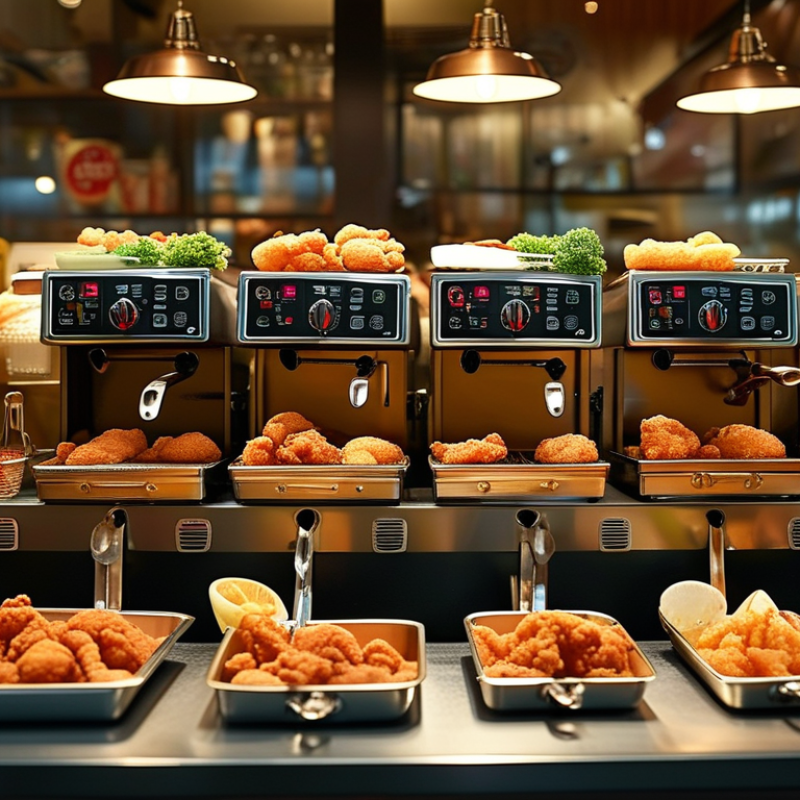
Factors to Consider When Choosing an Oil Fryer for Home Use
Choosing the right oil fryer for home use involves several key factors. First, consider the size of the fryer. A larger capacity can cook more food, which is great for families or gatherings. However, it also requires more oil, which can be wasteful and costly. Smaller fryers fit well in limited kitchen space, but they may limit meal preparation.
Next, think about temperature control. A fryer with accurate temperature settings allows for precise cooking. This feature helps achieve crispy results without burning food. Look for models with easy-to-read displays and multiple temperature options for versatility.
Tips: Examine the material of the fryer. Quality materials ensure better heat retention and durability. Always check for safety features, like automatic shut-off, which can prevent accidents.
Cleaning and maintenance is another important consideration. Some fryers have non-stick surfaces, making cleanup easier. Others may be dishwasher safe, adding convenience. Reflect on how often you’ll use the fryer, as more frequent use may require a unit that is easy to clean. Aim for balance; a fryer should be both functional and manageable for your kitchen routine.
Understanding Different Types of Oil Fryers: Conventional vs. Digital
When choosing an oil fryer, understanding its types is crucial. Conventional oil fryers operate using simple mechanics. They rely on heat elements to warm the oil. Users must monitor temperatures manually and gauge cooking time. This approach offers a hands-on experience, but it can be tricky for beginners. Inconsistent heat may lead to uneven cooking, which can be frustrating.
Digital oil fryers, on the other hand, automate much of the cooking process. They often feature precise temperature controls and timers. Digital interfaces allow for easy adjustment and monitoring. Many users appreciate the convenience and reliability these features offer. However, the reliance on technology can sometimes fail. A malfunction in the digital controls may disrupt cooking. This unpredictability can be a drawback.
When weighing your options, consider your cooking habits. Are you comfortable with manual adjustments, or do you prefer a guided approach? Each type has benefits and challenges. Evaluating personal preferences is key. Your choice should reflect your cooking style and how often you fry food. This deeper understanding will lead you to the best fryer for your needs.
Evaluating Fryer Capacity: How Much Food Can You Prepare at Once?
When it comes to choosing an oil fryer, fryer capacity is a crucial factor. The capacity of a fryer dictates how much food you can prepare at once. For a family of four, a fryer with a 3 to 5-quart capacity typically works well. This size can be useful for frying chicken, fries, or even doughnuts in one go. However, larger gatherings require bigger fryers. A capacity of 6 quarts or more can cover your needs during parties or family events.
Consider the types of meals you enjoy. If you often serve appetizers or entertain guests, opt for a larger fryer. A small fryer might not keep up with demand. You might end up cooking in batches, which can be time-consuming. Also, ensure the fryer can handle food volume without compromising cooking quality. If oil temperature drops too much, you'll end up with greasy food.
Assess your kitchen space, too. A large fryer might be appealing but could cause storage issues. You'll need to balance capacity with practicalities. Do you have room for it? How often will you use it? Consider these details carefully. Ultimately, a fryer should not just meet capacity needs but also fit seamlessly into your lifestyle.
Safety Features That Matter in an Oil Fryer: What to Look For
When selecting an oil fryer, safety features should top your list. One critical aspect is the temperature control mechanism. Precise temperature settings prevent overheating, reducing the risk of fires. A built-in thermostat helps maintain a stable cooking temperature, ensuring your food cooks evenly. Look for models with automatic shut-off features; these devices turn off the fryer when it reaches unsafe temperatures.
Another important safety characteristic is a cool-touch exterior. This feature allows you to handle the fryer without risk of burns. Safety locks on lids also prevent accidental spills and splashes. Consider fryers with a removable oil container. This makes it easier to dispose of used oil safely, minimizing mess and hazards in the kitchen.
Finally, make sure the fryer has sturdy feet to prevent tipping over. Stability is crucial, especially when dealing with hot oil. It's essential to reflect on your cooking habits and kitchen space. Not all safety features are equally effective; some may require regular checks or calibrations. Choose a fryer that fits your lifestyle and safety needs, while still being aware of the trade-offs in functionality versus safety.
Energy Efficiency in Oil Fryers: Cost Implications and Performance Metrics
When considering an oil fryer, energy efficiency is key. The right fryer can significantly reduce energy costs. A study by the U.S. Department of Energy found that high-efficiency fryers can save up to 30% on energy usage compared to traditional models. This translates to savings on your monthly energy bill.
Performance metrics also play a vital role. Fryers with advanced insulation and smart heating elements cook food quickly while using less oil. According to industry reports, these fryers reduce cooking times by 20%. Faster cooking means better food quality and less energy wasted.
Yet, not all models perform uniformly. Some high-efficiency fryers might cost more upfront. This can be a barrier for many consumers. Evaluating total cost of ownership over time is essential. A fryer that seems costly initially may pay off in reduced energy bills. Consider maintenance, too, as lower-performing fryers may require more frequent repairs.