Why Choose Aerogel Insulation Film for Superior Energy Efficiency?
In today's world, energy efficiency is more crucial than ever. The rising costs of energy and environmental concerns push us to seek better solutions. Aerogel Insulation Film stands out as one of the most advanced materials. Its unique properties make it a game changer in insulation technology.
Aerogel Insulation Film offers remarkable thermal performance. It is incredibly lightweight yet provides superior energy efficiency. Many industries are turning to this innovative film to enhance their energy-saving efforts. Ease of application further adds to its appeal. Buildings and vehicles benefit from reduced energy consumption.
However, one must also consider the cost implications. While the initial investment may be higher, the long-term savings are significant. Energy bills can plummet when using Aerogel Insulation Film. Ultimately, the choice involves balancing upfront costs with future benefits. The decision should reflect both environmental responsibility and practical financial planning.
Benefits of Aerogel Insulation Film for Energy Efficiency
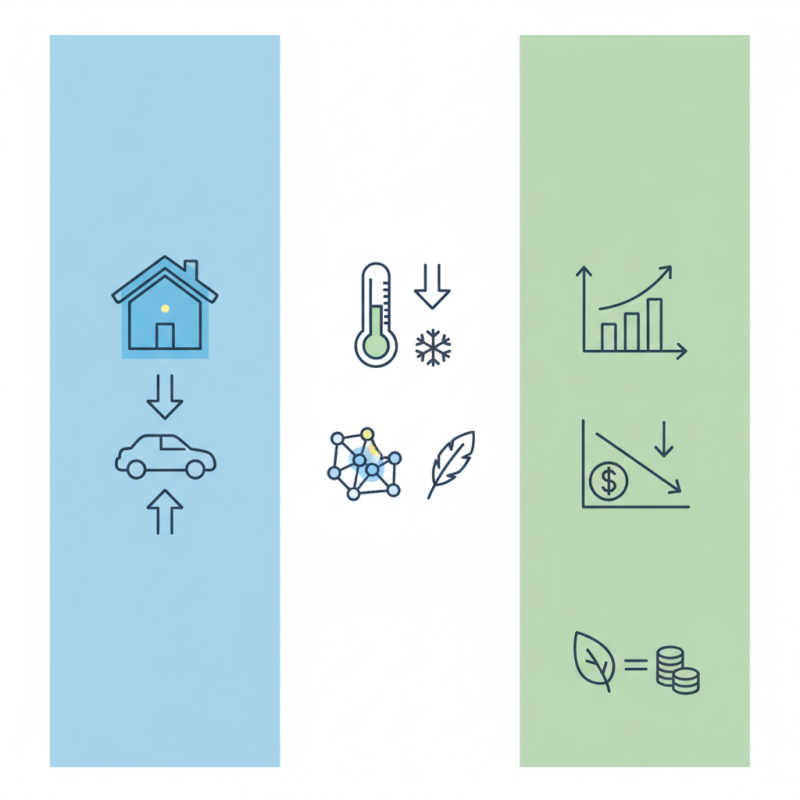
Aerogel insulation film is a game changer in the quest for superior energy efficiency. This innovative material is known for its exceptional thermal resistance. According to the Department of Energy, aerogel has an R-value of over 10 per inch, significantly outperforming traditional insulation materials that typically hover around R-3 to R-5. This means that homes insulated with aerogel can achieve substantial energy savings.
The film is lightweight and flexible, making it easy to install in various applications. Its ability to reduce heat transfer can lead to a reduction in heating and cooling costs by up to 30%. A report from the U.S. Green Building Council indicates that buildings using aerogel technology have a lower carbon footprint, demonstrating a commitment to environmental sustainability. However, it's important to recognize that while aerogel offers unique advantages, it also comes with higher initial costs compared to conventional insulation.
Encouraging the use of aerogel insulation film can result in a shift towards more energy-efficient structures. Yet, not all projects may prioritize upfront investment in energy efficiency. Thus, stakeholders must weigh the long-term benefits against initial expenses. As more research is conducted, the industry may see advancements that lower costs and improve accessibility, further enhancing aerogel's potential as a top choice for energy-efficient insulation.
Benefits of Aerogel Insulation Film for Energy Efficiency
Comparison of Aerogel vs. Traditional Insulation Materials
Aerogel insulation film represents a significant advancement in energy efficiency. When comparing aerogel to traditional insulation materials, the differences become clear. Traditional insulation often includes fiberglass or cellulose, which can trap moisture. This leads to reduced thermal performance over time. In contrast, aerogel remains stable and effective, even in challenging environments.
Aerogel is remarkably lightweight. This property allows for thinner layers while maintaining high insulation values. Imagine fitting a tiny, space-efficient barrier into walls or roofs. Its structure consists of tiny pores, making it superior at resisting heat flow. Traditional materials often lack this engineered precision, leading to inefficiencies. Homeowners and builders alike might find themselves questioning the performance of standard options.
However, challenges remain. Aerogel can be more costly upfront. This raises concerns about budget constraints for many projects. It's crucial to weigh these costs against long-term benefits, such as lower energy bills. Additionally, some may worry about the handling of aerogels. While safer than prior assumptions, their delicate nature requires care. As awareness of these materials grows, the conversation around their practicality is essential.
Applications of Aerogel Insulation in Various Industries
Aerogel insulation films are gaining traction in various industries due to their exceptional energy efficiency. These lightweight materials offer impressive thermal resistance, making them ideal for applications in aerospace, construction, and automotive sectors. Studies reveal that aerogel insulation can reduce energy loss by up to 90%. This is a game-changer, especially in industries where energy costs are a major concern.
In aerospace, aerogel insulation helps maintain temperature stability in aircraft systems. Insulating compartments with this material can enhance the overall efficiency of flight operations. In construction, buildings equipped with aerogel insulation benefit from reduced heating and cooling costs, which can translate into significant savings over time. A report by the International Energy Agency suggests that proper insulation can lead to energy savings of 30% to 50% in commercial buildings.
**Tips:** When considering aerogel insulation, pay attention to installation quality. Even the best materials can fail if not applied correctly. Also, assess the long-term benefits versus initial costs; sometimes, upfront investments can lead to greater savings down the line.
Why Choose Aerogel Insulation Film for Superior Energy Efficiency? - Applications of Aerogel Insulation in Various Industries
| Industry | Application | Energy Efficiency Improvement | Benefits |
| Construction | Insulating walls and roofs | Up to 50% energy savings | Lightweight, easy to install, and durable |
| Aerospace | Thermal protection for spacecraft | Improved thermal management | High temperature resistance and low weight |
| Oil and Gas | Pipe insulation | Reduced heat loss | Corrosion resistance and long lifespan |
| Automotive | Insulating components | Enhanced fuel efficiency | Sound absorption and weight reduction |
| Electronics | Thermal management in devices | Improved performance and reliability | Compact design and high efficiency |
How Aerogel Insulation Works: The Science Behind Its Efficiency
Aerogel insulation film stands out due to its unique scientific properties. This material is composed of more than 90% air, which gives it remarkable insulation capabilities. Essentially, aerogel traps air within its structure, minimizing heat transfer. As a result, it significantly reduces energy loss in buildings and homes. The science behind aerogel is fascinating; it utilizes the principles of thermal conductivity and convection to provide superior insulation.
Moreover, the porous nature of aerogel allows it to resist moisture, a common issue in traditional insulation materials. This resistance prevents mold growth and maintains the integrity of building structures over time. The lightweight characteristic of aerogel makes it easy to handle during installation.
Despite its remarkable properties, there are challenges to consider. For instance, while effective, aerogel can be more expensive than conventional options. Understanding these nuances is crucial for making informed decisions about energy efficiency.
The performance of aerogel insulation film relies heavily on careful application. Factors such as installation technique and environment can influence its efficiency. Over time, new technologies and methods may improve its usability and affordability. However, it remains important to consider both benefits and limitations. Making the right choice requires a balance of science and practical experience.
Environmental Impact and Sustainability of Aerogel Insulation
Aerogel insulation film stands out not just for its energy efficiency but also for its environmental benefits. This innovative material excels in reducing energy consumption in buildings. It achieves this by minimizing heat transfer, thus lowering greenhouse gas emissions. The lightweight design not only saves energy but also reduces material use, which is essential in sustainable construction.
Despite its advantages, aerogel production raises some concerns. The energy needed for its creation can be significant. Therefore, it's crucial to evaluate the full lifecycle impact. Recycling options for aerogel are still limited, posing challenges for end-of-life management. Future advancements could greatly improve its sustainability profile, but these improvements are not yet realized.
Overall, the benefits of aerogel insulation film in energy efficiency are evident. However, a critical approach is needed when discussing its long-term environmental impact. As we explore sustainable building practices, we must continuously seek improvements. Balancing innovative materials with responsible production will be key to achieving truly sustainable solutions.