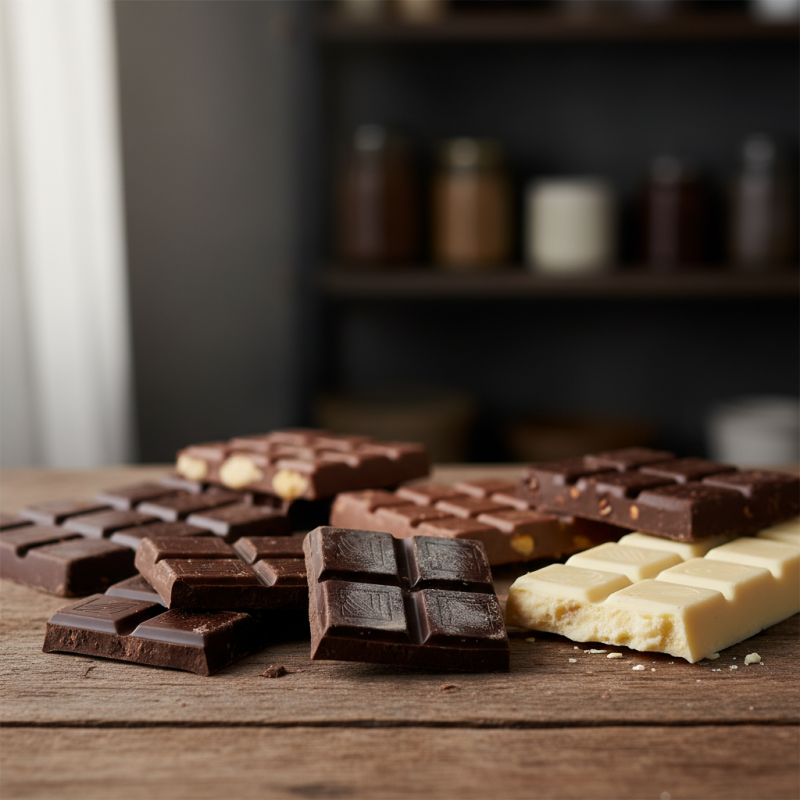
What You Need to Know About Chocolate Expiration Dates?
Chocolate lovers often wonder about Chocolate expiration. Many assume that chocolate can last indefinitely. However, the reality is more complex. Understanding chocolate expiration dates is crucial for both quality and safety.
Chocolate contains ingredients that can spoil or degrade. While it might not expire like dairy, it can lose flavor and texture. Proper storage is key. A cool, dark place is ideal. Even then, it’s essential to be mindful of the signs of aging. Look for changes in appearance and taste.
Inexperienced consumers may overlook what “expired” means for chocolate. It may not be harmful, but stale chocolate is disappointing. Consider your chocolate choice wisely, as quality impacts enjoyment. Knowing the details about chocolate expiration can enhance your next indulgence.
Understanding Chocolate Expiration Dates: An Overview
When it comes to chocolate, expiration dates can be confusing. These dates indicate the period when the chocolate is at its best quality. After this date, the chocolate may not taste as fresh. However, it doesn’t mean it's unsafe to eat. Many chocolates remain enjoyable long after their expiration.
Different types of chocolate have varying shelf lives. Dark chocolate lasts longer than milk or white chocolate. Dark chocolate can stay good for two years, while milk chocolate might last about one year. It's crucial to store chocolate properly. Keep it in a cool, dry place, away from light and strong odors.
Visual cues are vital in determining chocolate quality. Look for signs like discoloration or a white bloom. This bloom appears when fat rises to the surface and does not mean the chocolate is bad. Always trust your senses, and don’t hesitate to taste. Sometimes, the printed date may not reflect the actual quality. Being mindful of these details can enhance your chocolate experience.
What You Need to Know About Chocolate Expiration Dates?
| Type of Chocolate | Shelf Life | Storage Conditions | Signs of Spoilage |
| Dark Chocolate | 2 years | Keep in a cool, dry place | Loss of flavor, dull appearance |
| Milk Chocolate | 1 year | Store in a cool, dry place away from sunlight | White film (bloom), off smell |
| White Chocolate | 1 year | Cool, dry place, ideally below 70°F (21°C) | Separation, discoloration |
| Couverture Chocolate | 1-2 years | Stored in a cool, dark place | Rancid smell, grainy texture |
| Chocolate Chips | 1 year | Cool, dry place, sealed tightly | Color change, off taste |
Factors Influencing Chocolate Shelf Life
Chocolate's shelf life depends on several factors. One major factor is the type of chocolate. Dark chocolate lasts longer than milk chocolate. It contains less dairy, which makes it less perishable. Chocolate bars can often have a shelf life of two years if stored properly.
Temperature and humidity also play crucial roles. Excess heat can cause chocolate to bloom. This results in a white coating on the surface. It doesn’t mean the chocolate is spoiled, but it can affect texture and taste. Similarly, high humidity can lead to sticky chocolate.
Packaging matters too. If chocolate is left unwrapped, it absorbs odors easily. This can ruin its flavor. Even if it doesn't smell bad, the taste can change. Proper storage in a cool, dry place is essential for maintaining chocolate quality. Don't forget to check those expiration dates, but trust your senses, too.
Differences in Expiration Dates for Various Types of Chocolate
Chocolate comes in various forms, each with different expiration timelines. Dark chocolate typically has the longest shelf life. It can last up to two years when stored properly in a cool, dry place. The high cocoa content and low moisture help it resist spoilage. A study by the Chocolate Manufacturing Association found that dark chocolate retains flavor and quality much longer than other types.
Milk chocolate, on the other hand, has a shorter lifespan. It usually lasts about six to twelve months. The added milk powder increases perishability. White chocolate, while technically not chocolate, has a similar shelf life. It contains cocoa butter, sugar, and milk solids, making it more susceptible to spoilage. Experts recommend consuming it within six months for the best taste.
Understanding these differences is key. Improper storage can dramatically affect chocolate quality. Chocolate can become dull or develop a chalky texture. Some may even notice a white film, known as “chocolate bloom”, which results from fat migration. It’s not harmful but may signal aging. Monitoring expiration dates helps ensure you enjoy chocolate as intended.
Signs of Spoiled Chocolate: What to Look For
When it comes to chocolate, freshness is key. While it may not spoil like other food, chocolate can still go bad. Keeping an eye out for specific signs can help you identify spoiled chocolate.
One common indicator is discoloration. Chocolate can develop a white, powdery coating known as bloom. This happens due to temperature changes. It’s not harmful, but affects texture. If the chocolate feels chalky or overly dry, it might be time to toss it. Another telltale sign is an off smell. Fresh chocolate has a rich cocoa aroma. If it smells rancid or stale, it's better to err on the side of caution.
Texture matters too. If your chocolate has developed cracks or feels excessively crumbly, something may be wrong. Taste can also betray age. A bitter or overly bland flavor is a red flag. Paying attention to these factors ensures you enjoy only high-quality chocolate. Diligence in checking can make a difference.
Best Practices for Storing Chocolate to Extend Freshness
Proper storage of chocolate can significantly extend its freshness. Chocolate should be kept in a cool, dry place, ideally between 60°F and 70°F. Humidity can lead to unwanted moisture, which alters texture. A study by the Confectionery Industry Association shows that chocolate stored in optimal conditions can last up to two years without a noticeable decline in quality.
Using the original packaging helps maintain flavor and aroma. Once opened, wrap chocolate tightly in foil or plastic wrap. Airtight containers also work well. This shields chocolate from light and air, which can cause it to bloom. Chocolate bloom appears as white spots on its surface, resulting from sugar or fat crystallization. While it’s still safe to eat, bloom affects the visual appeal.
Consider the chocolate type when storing. Dark chocolate lasts longer than milk or white chocolate. Dark chocolate can retain its quality for up to two years, while milk chocolate is best consumed within one year. Check expiration dates regularly. Discard any chocolate that has an off smell or significant discoloration. Stalting chocolate doesn't always mean it is unsafe, but freshness counts for quality enjoyment.