China Top 10 Pan Tilt Video Platform Manufacturers?
China’s Pan Tilt Video Platform market has grown from basic remote viewing tools into a competitive field of precision imaging systems. Manufacturers now combine motorized pan and tilt movement, optical zoom, intelligent tracking, low-light performance, and network management. Yet impressive specifications do not always guarantee reliable field performance.
This guide examines China’s top 10 manufacturers through practical criteria. These include platform stability, movement accuracy, image quality, weather resistance, cybersecurity practices, integration options, delivery capability, and after-sales support. We also consider how each company serves transportation, industrial inspection, public infrastructure, energy, and professional security projects. Real deployment conditions matter. A camera may perform well in a showroom, then struggle with vibration, dust, glare, or unstable connectivity.
Security technology expert Bruce Schneier once said, “Security is a process, not a product.” That principle applies directly to every Pan Tilt Video Platform. Firmware updates, access control, maintenance planning, and operator training can influence results as much as hardware design. The strongest manufacturers understand this wider responsibility.
No ranking is perfect. Product lines change, regional service quality varies, and published specifications may not reflect long-term operation. Some companies excel at customization, while others provide stronger standardized systems. Buyers should verify certifications, test integration requirements, and request performance evidence before making a decision. This overview offers a careful starting point, not a substitute for technical evaluation. Details matter. So does honest comparison.
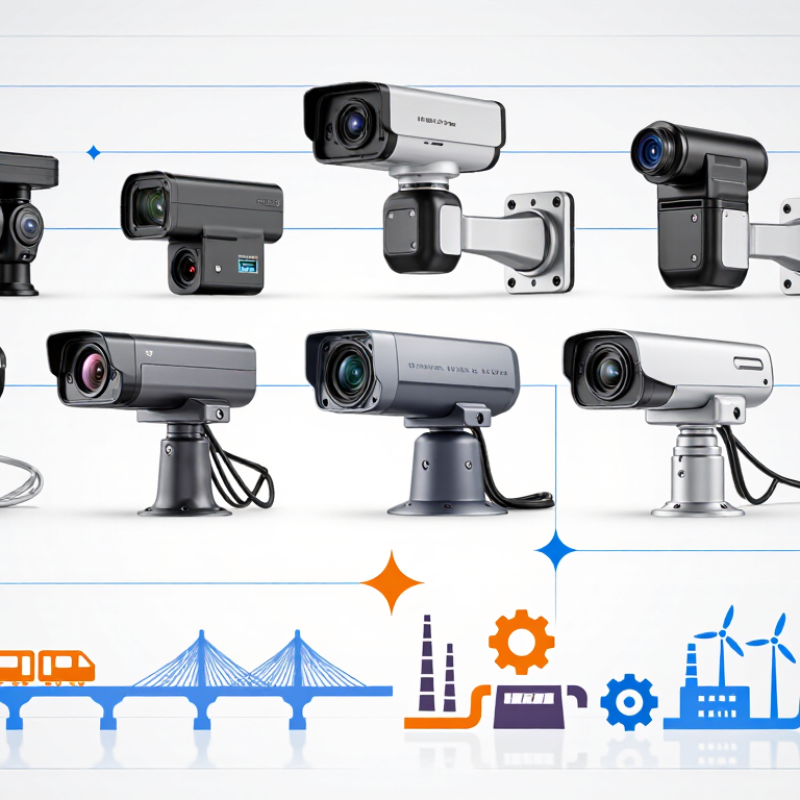
What Is a Pan-Tilt Video Platform and How Does It Work?
A pan-tilt video platform combines a camera, two motorized axes, a controller, and network software. “Pan” moves the lens horizontally, while “tilt” moves it vertically. Zoom may be added, but it is not essential. The platform receives a command, calculates the required angle, and drives its motors to that position. Encoders then report movement feedback, helping the camera stop accurately.
In a warehouse, an operator can move from a loading gate to a high shelf within seconds. Preset positions store these viewing angles. Tracking software can also follow movement, although performance may weaken with glare, rain, or crowded scenes. The system usually sends compressed video through an IP network and supports control interfaces such as ONVIF. Network delay still matters. A perfect specification cannot remove poor cabling or weak bandwidth.
Industry demand supports this design. Fortune Business Insights valued the global video surveillance market at about 53.7 billion dollars in 2023 and projected strong growth through 2030. MarketsandMarkets also reported expanding demand for intelligent video analytics and network cameras. These figures describe wider surveillance markets, not pan-tilt platforms alone. That distinction matters. Buyers should test positioning accuracy, low-light detail, weather protection, cybersecurity updates, and maintenance access before comparing Chinese manufacturers. Small practical failures often decide long-term value.
Key Factors for Evaluating Chinese Pan-Tilt Video Platform Manufacturers
Choosing among China’s top pan-tilt video platform manufacturers requires more than comparing catalog prices.
Begin with engineering evidence. Ask for measured pan accuracy, tilt repeatability, maximum payload, vibration performance, and continuous operating hours. A live demonstration should include fast movement, low-light scenes, and sudden target changes. A polished demo proves little.
Evaluate the manufacturer’s technical depth through design documents, test records, and production controls. Check whether the platform supports open communication protocols, secure firmware updates, accurate position feedback, and integration with existing control systems. Examine the enclosure, cable routing, bearings, and weather protection. Small mechanical details often decide whether a platform survives dust, rain, and daily movement. Factory audits, sample inspections, and traceable quality records also strengthen reliability.
After-sales capability deserves equal attention. Confirm spare-part availability, response times, repair procedures, training, and remote diagnostic support. Experienced manufacturers should explain failure modes clearly, not hide behind broad promises. Request references from comparable environments, while recognizing that one successful installation cannot prove universal performance. No evaluation is perfect. I would still test production samples, not only prototypes, and record results under the same conditions. The strongest supplier combines practical field experience, documented expertise, transparent communication, and consistent manufacturing discipline.
China’s Top 10 Pan-Tilt Video Platform Manufacturers
China’s Top 10 Pan-Tilt Video Platform Manufacturers are gaining attention as security systems become more intelligent and automated. A 2024 MarketsandMarkets report projects the global video surveillance market to grow at a double-digit CAGR through 2029. This trend supports demand for pan-tilt platforms in factories, ports, campuses, and transport hubs.
A practical top-ten evaluation should examine more than camera resolution. Manufacturers need reliable motors, accurate preset positioning, optical zoom, low-light performance, and stable network transmission. Interoperability also matters. ONVIF compatibility can reduce integration problems across different monitoring systems. According to Omdia’s professional video surveillance research, artificial intelligence and cloud-connected management remain key growth drivers. Therefore, leading Chinese suppliers increasingly combine pan-tilt hardware with edge analytics, event detection, and remote maintenance tools.
Field experience reveals a less perfect picture. Some platforms perform well in controlled tests but struggle with wind, dust, or repeated movement. That matters. Buyers should request endurance records, failure-rate data, and sample footage from difficult scenes. Cybersecurity deserves equal attention, including signed firmware, access control, and timely vulnerability handling. A credible top-ten list should also compare export support, spare-part availability, and installation training. Market rankings can change quickly, and published product claims still require independent verification.
Comparing Product Features, Applications, and Technical Capabilities
A credible top-ten comparison should measure more than zoom and resolution. Grand View Research valued the global video surveillance market at about USD 53.7 billion in 2023, with strong growth expected through 2030. That expansion increases demand for pan-tilt platforms in transport hubs, factories, campuses, and public infrastructure. However, market forecasts differ by methodology. That matters.
Product capability starts with imaging. Strong platforms combine 4K output, 20x to 40x optical zoom, wide dynamic range, and reliable night performance. Fast pan speeds help operators follow vehicles or people across large spaces. Edge-based analytics can detect intrusion, loitering, and abandoned objects without sending every video stream to a server. Support for open interfaces improves compatibility with existing management software. Weather sealing, surge protection, and stable operation from -30°C to 55°C are practical differentiators.
Applications expose weaknesses quickly. A coastal installation needs corrosion resistance, while a warehouse needs accurate autofocus under uneven lighting. Transport operators may prioritize low latency and automatic tracking. Industrial users often require thermal imaging and redundant control links. MarketsandMarkets projects the video surveillance market could reach roughly USD 83.3 billion by 2028, but purchase decisions should not follow growth figures alone. Some specifications look impressive on paper. Field testing, service response, firmware discipline, and independent cybersecurity checks reveal more. I would also question any ranking that ignores installation costs and operator training.
How to Select the Right Chinese Pan-Tilt Video Platform Manufacturer
How to Select the Right Chinese Pan-Tilt Video Platform Manufacturer
China’s pan-tilt video platform market offers strong manufacturing depth, but supplier quality varies widely. MarketsandMarkets reported that the global video surveillance market may grow from USD 53.7 billion in 2023 to USD 83.3 billion by 2028. This growth increases supplier choices, not necessarily reliability. Request factory evidence, not only polished product pages. Check machining equipment, calibration records, component traceability, and monthly production capacity. Ask for a working sample under continuous movement.
Mechanical performance deserves careful testing. Measure positioning accuracy, repeatability, rotation speed, vibration, and noise at different payloads. A platform rated for 20 kilograms may perform poorly near its limit. Test it outdoors, if outdoor deployment is planned. Confirm ingress protection, operating temperature, corrosion resistance, and cable bend life. Small details matter. They often fail first.
Software and long-term support are equally important. Verify ONVIF compatibility, control protocols, API documentation, firmware update procedures, and access-control features. Ask how security vulnerabilities are reported and fixed. Independent testing from recognized laboratories adds credibility, while customer references reveal response times. Request warranty terms, spare-part availability, and a written service-level agreement. The lowest quotation can look clever, but it may hide weak testing or short support cycles. I would still leave room for doubt and run a pilot before placing a large order.