China Top 10 Ultra High Temperature Servo Motor Brands
An Ultra High Temperature Servo Motor must do more than keep turning beside a hot process. It needs to maintain torque, speed, and positioning accuracy as heat affects insulation, bearings, cables, and feedback devices. A motor’s stated maximum winding temperature is not the same as its permitted ambient temperature. That distinction matters. Buyers should check both figures, along with duty cycle, cooling method, enclosure, and the temperature rating of connected components.
This guide introduces ten China-based brands associated with high-temperature servo motor solutions. It offers a practical starting point, not a claim that every model suits every furnace, kiln, or production line. Real operating conditions vary: radiant heat near a kiln door differs from steady warmth inside a controlled enclosure. Heat changes everything. Where available, compare manufacturer datasheets, test conditions, service support, and application references before shortlisting a supplier. Ask how performance was verified, and whether the motor was tested with the intended drive, cable, and encoder. That detail is easy to miss.
Brand rankings can also feel more certain than the evidence allows. Product ranges change, and public specifications may not describe long-term performance under continuous high-temperature loads. Use the names in this overview to guide further checks, then confirm requirements with the manufacturer or a qualified automation engineer. A careful selection begins with measured conditions, not a headline temperature rating.
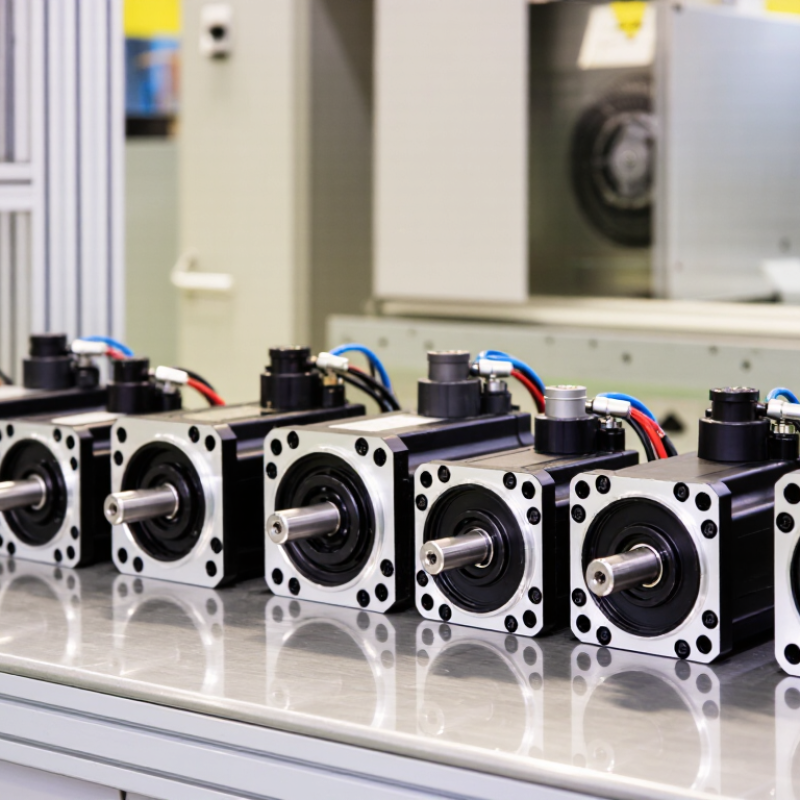
Defining Ultra-High-Temperature Servo Motors: IEC 60034-1 Classes 155–220°C
For servo motors, “ultra-high temperature” should describe the insulation system, not the temperature of the surrounding air. Thermal classes 155, 180, 200, and 220°C indicate insulation’s assigned thermal endurance. They are commonly associated with classes F, H, N, and R. IEC 60034-1 addresses rotating-machine ratings and performance; insulation class definitions also rely on IEC 60085. The distinction matters.
Not a safe operating target. A 200°C class does not mean the motor can run continuously in a 200°C room. During rapid acceleration, winding hotspots may rise even when the housing feels only warm. Ambient temperature, load profile, cooling, and installation all affect actual winding temperature. A thermocouple near the end winding can reveal conditions that a casing measurement misses.
The weakest component often sets the practical limit. Encoder electronics, seals, bearings, cable insulation, and grease may tolerate less heat than the windings. Ask for temperature-rise data under the intended duty cycle, plus insulation-system and accessory ratings. This is easy to misread. A class label alone cannot predict service life, especially when overloads recur or cooling passages collect dust. Real measurements help, but test conditions should match the machine’s actual work.
China’s Top 10 Brands: Product Range, Temperature Limits, and Feedback Options
China’s leading ultra-high-temperature servo motor suppliers vary in product range. Some offer compact motors for hot chambers; others build larger units for furnaces, kilns, and thermal processing lines. Compare continuous torque, peak torque, frame size, cooling method, and duty cycle. A motor that fits a narrow chamber may not handle repeated acceleration under load. Small detail, big difference.
Temperature limits need careful reading. Check whether a rating refers to ambient air, winding insulation, housing, or nearby process heat. These are not interchangeable. Ask for the permitted temperature at the motor surface and feedback device, plus test conditions and operating duration. Heat can shorten bearing life or weaken magnets even when the headline limit looks suitable. Datasheets sometimes leave this unclear, and that deserves a follow-up.
Feedback options commonly include incremental or absolute encoders, resolvers, and temperature-rated sensors. Encoders can provide precise position data, but their electronics may need protection from radiant heat. Resolvers are often considered for harsh environments, though system compatibility and control accuracy still matter. Confirm cable ratings, connector placement, signal resolution, and whether feedback accuracy is specified at operating temperature. A useful comparison table should list each supplier’s motor range, verified temperature limits, cooling requirements, and feedback choices. I would not rank a product on temperature alone; installation details can change the result.
Comparing Brands by Rated Torque, Encoder Type, Cooling, and Protection
A useful comparison of China’s ultra-high-temperature servo motors starts with rated torque, not headline peak torque. Rated torque describes sustained output under specified conditions; peak torque usually applies only briefly. Check the speed range, ambient temperature, and duty cycle behind each figure. A motor rated for 10 N·m at room temperature may need derating beside a hot furnace. Small differences matter.
Encoder type affects positioning and recovery after power loss. Incremental encoders can suit repeatable motion with a homing routine, while absolute encoders retain position data. Compare resolution, temperature limits, and communication compatibility, not just encoder labels. Read the fine print. Cooling also changes the comparison: natural convection is simple, but restricted airflow can raise internal temperatures. Forced-air cooling may help, yet its fan and wiring need protection from heat and dust.
Protection ratings should match the installation, not merely look impressive on a datasheet. Check the stated IP rating, connector sealing, and permitted surface temperature. A motor mounted behind an oven shield faces different conditions from one exposed to washdown or metal particles. Ask for test conditions and derating curves. Datasheets can leave gaps, and even careful comparisons may miss mounting effects; verify performance in the actual machine before specifying a model.
China Top 10 Ultra High Temperature Servo Motor Brands — Specification Comparison
Rated torque varies by motor size and model. The chart shows representative torque reference points (not brand-specific product data); encoder, cooling, and ingress protection options should be verified against each motor’s datasheet.
Comparison notes: Servo motors may use incremental or absolute encoders, including optical or magnetic types. Cooling can be natural convection, forced air, or liquid-based. IP ratings describe protection against ingress under IEC 60529; the required rating depends on the installation environment. These options are model-specific, not implied by the torque values shown.
Applications and Validation: IEC 60034 Testing and Insulation-Class Limits
For ultra-high-temperature servo motors, IEC 60034 testing should reflect the real duty cycle, not just a steady laboratory load. Engineers can measure winding resistance, temperature rise, torque, and speed while the motor repeats start-stop movements. A thermocouple near the winding may reveal heat that a housing sensor misses. Heat tells the truth.
Insulation classes set thermal limits, but they do not define the motor’s safe operating temperature by themselves. Class F insulation, for example, has a 155°C thermal-class limit; ambient temperature, winding rise, cooling, and service conditions all matter. The limit is not a target. Testing should also consider bearings, feedback devices, cables, and permanent magnets, which may tolerate less heat than the insulation system.
A useful validation report records ambient conditions, sensor locations, load profile, and test duration. It should show whether temperatures stabilized and whether performance changed after repeated cycles. IEC 60034 provides relevant test frameworks, but the selected methods must match the motor’s rating and application. A clean lab result can still mislead. Real installations bring airflow restrictions, nearby heat sources, and uneven loading. Engineers should document those uncertainties rather than hide them; a little doubt can prevent an expensive field failure.