Empowering Engineering Excellence: Innovate, Elevate, Deliver.
Choosing the best Standing Pouch Making Machine in China depends on the pouch you need to produce, not just the machine’s advertised speed. A compact pouch for dry snacks has different requirements from a spouted pack for liquid products. Film structure, pouch dimensions, zipper or spout options, and seal quality all affect the right choice.
A useful comparison starts with real production details. Ask manufacturers which pouch styles their equipment supports, what changeover involves, and how operators adjust temperature, tension, and forming settings. Request sample pouches made with your intended film, then inspect the seals, edges, and dimensions. A brief demonstration helps, but a sustained production trial can reveal feeding problems or frequent stops. Small details matter.
Speed figures need context. They may reflect ideal conditions, rather than your film, pouch design, or shift routine. That sounds tidy. It is not always. Compare output alongside material waste, setup time, maintenance access, and available technical support. Ask for clear specifications and written answers, especially when two machines appear similar.
China offers manufacturers across different price and automation levels, but origin alone does not determine quality. Review the supplier’s manufacturing experience, component documentation, service arrangements, and references where available. If possible, involve the people who will run and maintain the line. Their feedback may challenge a neat purchasing spreadsheet—and that is useful. The best machine is the one that consistently makes acceptable pouches under your actual operating conditions. A careful evaluation can narrow the options without relying on a single headline number.
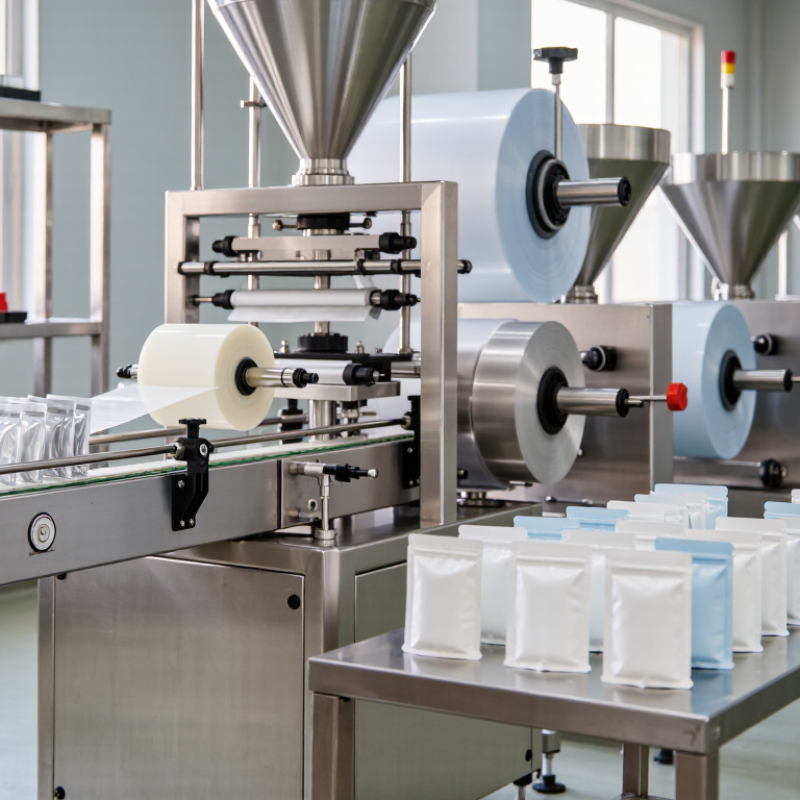
A stand-up pouch machine turns flat packaging film into bags with a gusseted base that can support the filled pouch. In a typical roll-fed system, tension controls keep the film steady while sensors follow printed registration marks. The machine layout depends on pouch style and film structure. Small details matter.
During forming, guides and plates fold the film and shape the bottom gusset. If the folds drift, the pouch may sit crooked or have uneven edges. The next stage uses heated jaws to join film layers along the pouch seams. Temperature, pressure, and contact time must match the material. Too much heat can wrinkle or distort the film; too little may leave a weak seal.
The final stage sets the bottom seal, cools the sealed area, and cuts individual pouches from the web. Some machines form side seams or zipper tracks at different points, so three stages are a helpful guide, not a universal layout. Operators can inspect sample pouches for seal width, gusset symmetry, and cut position. Real production is less predictable. Film rolls can vary slightly, and settings may need adjustment after a changeover. Verify each run rather than relying on yesterday’s results.
The best machine depends on whether you need to make pouches from roll film or fill and seal pre-made pouches. A stand-up pouch typically uses a bottom gusset that allows it to stand when filled. The stages below describe a common roll-film pouch-making process; filling may be performed on a separate machine or on an integrated system.
| Stage | Main operation | Typical equipment or controls | What to check |
|---|---|---|---|
| 1. Film feeding and pouch forming | Roll film is unwound, guided, and folded or shaped into the pouch body. For a stand-up pouch, the bottom gusset is formed as part of the web-folding process. | Unwinder, tension control, web guides, forming collars or plates, and gusset-forming components. | Confirm film width and thickness compatibility, pouch dimensions, gusset geometry, and registration accuracy with the intended packaging material. |
| 2. Bottom and side sealing | Heated sealing jaws bond compatible heat-sealable layers to create the pouch bottom and side seals. Seal settings depend on the laminate structure and line conditions. | Temperature-controlled sealing jaws, pressure adjustment, dwell-time control, and cooling components where required. | Run seal-strength and leak checks using the actual film. Verify consistent seals without wrinkles, burn-through, or channels. |
| 3. Cutting and discharge | The formed web is cut into individual pouches, which are then discharged for inspection, filling, or downstream handling. | Cutting knives, photoelectric registration for printed film, and pouch discharge or collection equipment. | Check cut position, pouch dimensions, registration with printed artwork, and reliable pouch separation. |
| Configuration | Best suited to | Key selection considerations |
|---|---|---|
| Roll-film pouch-making machine | Operations that need to form empty pouches from roll film before filling. | Supported pouch styles, gusset-forming capability, compatible laminate structures, changeover requirements, and whether filling is handled separately. |
| Pre-made pouch filling and sealing machine | Operations purchasing finished empty pouches and needing to open, fill, and seal them. | Pouch size range, pouch-opening reliability, product dosing method, closure or zipper handling, and sealing performance. |
| Integrated form-fill-seal line | Production layouts intended to form pouches from roll film and fill and seal them in a connected process. | Coordination between pouch forming, product dosing, and sealing; product-contact requirements; cleaning access; and the line’s actual output with the intended product and pouch. |
Machine capabilities and output vary by pouch dimensions, film structure, product, and operating conditions. Request a trial using the intended packaging material and product, and verify pouch quality and production requirements before selecting a machine.