What is the Best Seamless Pipe Type for Global Buyers?
When considering the best Seamless Pipe type for global buyers, several factors come into play. Seamless pipes are renowned for their strength and durability. They are crafted without welds, making them ideal for high-pressure applications. However, not all seamless pipes are created equal. Buyers must navigate through various grades and specifications.
Understanding the challenges of selecting the right seamless pipe is crucial. Factors such as material composition, temperature resistance, and corrosion properties are essential. Many buyers often overlook the unique requirements of their specific applications. This oversight can lead to costly mistakes and project delays.
In this exploration of seamless pipes, we will delve into the various types available. We will discuss their applications and advantages. The goal is to equip global buyers with the knowledge needed to make informed decisions. Finding the right seamless pipe demands a balance of quality, cost, and performance.
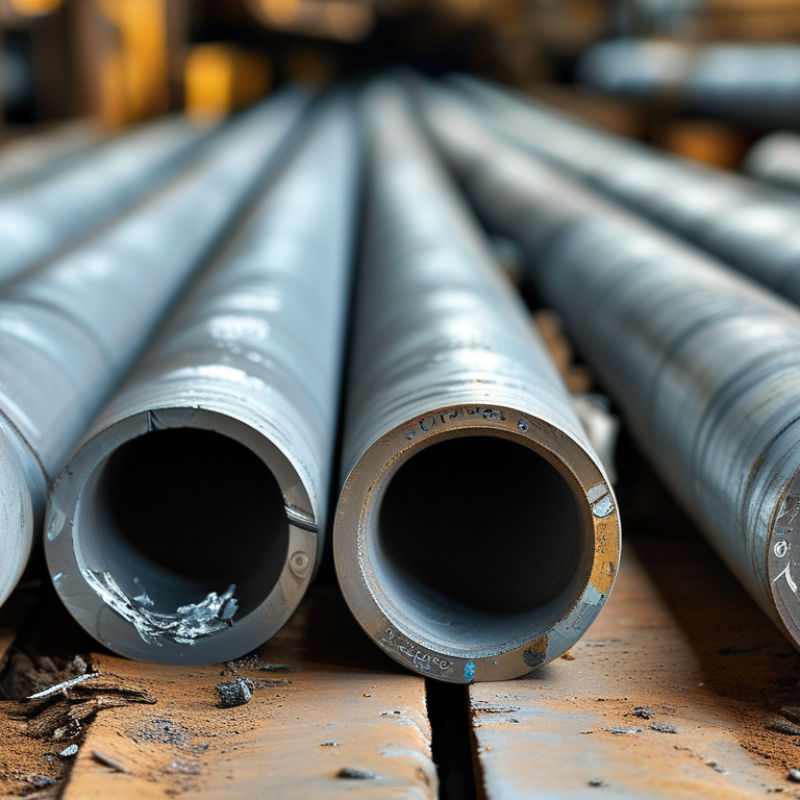
Types of Seamless Pipes and Their Global Applications
Seamless pipes are critical in various industries due to their strength and reliability. They are produced without any joints, offering smoother fluid flow and less risk of leakage. There are several types of seamless pipes, each with distinct properties and applications.
One popular type is carbon steel seamless pipes. These pipes are widely used in oil and gas sectors. Their ability to withstand high pressure makes them ideal for transport pipelines. Stainless steel seamless pipes, on the other hand, are resistant to corrosion and are favored in chemical processing and food industries.
Another option includes alloy steel seamless pipes. They are known for their high strength and resistance to extreme temperatures. This makes them perfect for power generation and petrochemical applications. Buyers should consider the specific needs of their projects. Choosing the right seamless pipe type can be challenging and requires careful analysis of both material properties and intended use. Engaging with knowledgeable suppliers can enhance decision-making.
Material Composition and Selection Criteria for Seamless Pipes
When selecting seamless pipes, material composition plays a crucial role. Various materials offer different benefits based on the intended application. Carbon steel is popular for its strength and cost-effectiveness. It’s suitable for low-pressure applications but may corrode without proper coatings. Conversely, stainless steel provides excellent resistance to corrosion and high temperatures. This makes it ideal for industries such as oil and gas. However, its higher price tag can be a drawback for budget-conscious buyers.
Alloy steel is another option. It combines strength with enhanced durability, making it suitable for demanding conditions. This material often requires a more careful procurement process. Not all suppliers have the same quality standards, which can lead to variability in product performance. Buyers must be cautious and seek reliable sourcing partners.
Moreover, the selection criteria extend beyond just material type. Buyers should consider the pipe’s intended environment, required pressure ratings, and temperature resistance. These factors influence both performance and longevity. Buyers often overlook the details, focusing only on price. Understanding the specific needs ensures more informed purchasing decisions and reduces the risk of future replacements.
Manufacturing Processes for Seamless Pipes: An Overview
Seamless pipes are critical in various industries, from oil and gas to construction. Understanding their manufacturing processes is essential for global buyers. The primary methods include extrusion, rotary piercing, and elongation. Each technique imparts specific characteristics to the pipes, affecting their strength and flexibility.
For instance, the extrusion process creates seamless pipes by forcing heated metal through a die. This method allows for precise dimensions and smooth surfaces. In contrast, rotary piercing involves rotating solid metal billets to form a hollow tube. Studies indicate that rotary piercing can enhance the overall material properties, yielding pipes with improved durability.
Tips: Monitor the industry standards for seamless pipes. Compliance ensures quality and safety. Seek out manufacturers that adhere to global certifications. It can make a difference in your supply chain.
Understanding the nuances in manufacturing is crucial. Minor variations in process can influence the final product. Buyers should consider factors like wall thickness and finished diameter. Reports show that about 30% of seamless pipe failures stem from poor manufacturing practices. Thus, diligence in procurement can prevent long-term issues.
What is the Best Seamless Pipe Type for Global Buyers? - Manufacturing Processes for Seamless Pipes: An Overview
| Pipe Type | Material | Manufacturing Process | Applications | Advantages |
| Carbon Steel Seamless Pipe | Carbon Steel | Hot Rolling | Construction, Oil & Gas | High tensile strength, cost-effective |
| Stainless Steel Seamless Pipe | Stainless Steel | Cold Drawing | Chemical, Food Processing | Corrosion resistant, aesthetic |
| Alloy Steel Seamless Pipe | Alloy Steel | Rotary Piercing | Power Generation, Aerospace | High performance, heat resistant |
| API Seamless Pipe | Carbon Steel | Extrusion | Oil & Gas Production | Standardized dimensions, high quality |
Key Factors Influencing Global Buyer Decisions in Seamless Pipe Purchasing
When global buyers consider seamless pipes, various factors influence their decisions. The type of material is crucial. Common materials include carbon steel, alloy steel, and stainless steel. Each material has different qualities that affect strength and flexibility, leading to specific applications. Buyers need to evaluate their requirements against these characteristics carefully.
Cost is another significant factor in this purchasing process. While cheaper options exist, they may compromise quality. Buyers should weigh long-term durability against initial savings. Reliable suppliers can offer valuable insights into this dilemma, but buyers must still research independently. Failure to do so could lead to costly mistakes.
Market trends also play a role. Buyers should stay informed about industry developments. Changes in demand can shift focus toward certain pipe types. Keeping an eye on these trends may reveal new opportunities or challenges. Disregarding them might result in missed chances. Each of these factors adds complexity to the purchasing decision. A savvy buyer will navigate these nuances carefully.
Regulatory Standards and Certifications for Seamless Pipes Worldwide
Regulatory standards play a vital role in ensuring the quality and safety of seamless pipes across the globe. Different countries have specific certifications that these pipes must meet. Common standards include ASTM, ASME, and EN. Compliance with these standards assures buyers that the pipes can withstand high pressure and temperature. Certificates like ISO 9001 further enhance credibility, indicating a robust quality management system.
In many regions, the lack of uniformity in regulations can create confusion for global buyers. This inconsistency sometimes leads to challenges in sourcing reliable materials. Buyers should conduct careful research about the certifications relevant to their specific applications. Additionally, engaging with local experts can provide valuable insights into regional requirements. Knowledge of these regulations helps avoid potential pitfalls, ensuring safe and efficient operations in various industries.
A common oversight is assuming that all seamless pipes meet the same standards. This misconception can lead to costly mistakes. It's essential to scrutinize certification documents and inquire about the manufacturing processes. In cases where the documentation seems inadequate, further investigation is warranted. Buyers should foster a proactive approach to certifications, ensuring that their seamless pipes not only meet but exceed required standards.
Global Seamless Pipe Certification Standards
This chart illustrates the number of certifications available for various seamless pipe types globally. ASTM A106 leads the chart, highlighting its prominence in the market as a compliant standard. Other standards such as ASTM A312, EN 10216-2, and ISO 3183 also play significant roles in the regulation of seamless pipes.