Empowering Engineering Excellence: Innovate, Elevate, Deliver.

What Is the Best Hydraulic Jack Supplier in China?

Choosing the best Hydraulic Jack supplier in China requires more than comparing prices on a product page. Buyers must examine manufacturing experience, engineering capability, quality control, and after-sales support. A reliable supplier should explain its production process clearly, from steel selection to hydraulic cylinder assembly. It should also provide practical evidence, such as factory photographs, inspection records, load-testing procedures, and traceable product specifications.

Real performance appears under pressure. A workshop jack may lift a vehicle smoothly during testing, yet fail when seals age or the floor is uneven. Therefore, this guide focuses on details that matter in daily use. These include lifting capacity, minimum height, maximum height, safety valves, welding quality, and replacement-part availability. Supplier communication also deserves attention. Clear answers usually reflect organized internal systems. Vague promises do not.

Price still matters. It should not lead the decision. A cheaper quotation may exclude testing, packaging protection, or technical support. That assumption can be costly. However, a higher price does not automatically prove better quality either. No supplier is perfect, and even experienced manufacturers may have inconsistent batches or delayed responses. Buyers should verify claims through samples, independent inspections, customer references, and documented certifications where appropriate. This approach supports a more balanced decision.

The goal is not to identify the loudest company. It is to find a dependable partner for safe, repeatable lifting work. By comparing real evidence instead of marketing language, importers can reduce uncertainty and select a Hydraulic Jack supplier with stronger long-term value.
What Is the Best Hydraulic Jack Supplier in China?

What a Hydraulic Jack Supplier in China Does

What Is the Best Hydraulic Jack Supplier in China?

A hydraulic jack supplier in China does more than sell lifting equipment. The supplier usually develops, manufactures, inspects, and ships jacks for workshops, farms, garages, and industrial users. A professional team studies load capacity, lifting height, saddle shape, frame strength, and operating conditions before suggesting a model. This prevents a common mistake: choosing capacity by price alone.

Reliable suppliers control key steps inside the factory. Engineers review hydraulic cylinder dimensions and sealing materials. Inspectors check welding, oil leakage, lowering speed, and rated-load performance. Each production batch should have test records, inspection results, and clear operating instructions. I would also request samples before placing a large order. A polished catalog cannot reveal every manufacturing weakness.

The supplier may provide private labeling, packaging design, spare parts, and technical support. Export staff prepare accurate product data and shipping documents. They should explain maintenance intervals, safe storage, and replacement procedures in plain language. However, no supplier gets every detail right. Communication can fail when drawings use unclear measurements or translated terms. Written specifications, photographs, and sample approval reduce that risk. Ask difficult questions early. That is practical quality control.
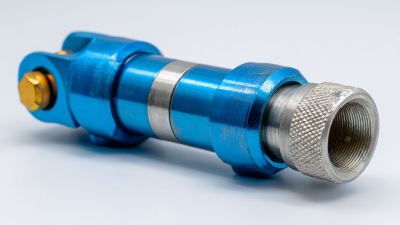
Main Types of Hydraulic Jacks and Their Applications

What Is the Best Hydraulic Jack Supplier in China?

Main Types of Hydraulic Jacks and Their Applications

Choosing a hydraulic jack supplier in China starts with understanding the equipment’s real working environment. No jack fits every task. Bottle jacks provide strong lifting force in compact spaces, making them useful for trucks, trailers, and workshop repairs. Their narrow base can become unstable on soft ground. Floor jacks offer better mobility through swiveling wheels. They suit garages, maintenance bays, and frequent vehicle servicing.

Toe jacks lift machines from low clearance points, such as steel frames or industrial equipment. They are valuable during machinery installation, but operators must check the toe position carefully. Hydraulic cylinders support heavier industrial lifting and pressing work. They appear in bridge maintenance, construction equipment repair, and fabrication shops. Scissor-style hydraulic jacks are practical for vehicles and platforms, although their lifting range may be limited.

Tips: Match rated capacity with the actual load, not the equipment’s appearance. Leave a safety margin. Check oil leakage, weld quality, release-valve control, and lowering speed before purchase. Ask suppliers for load-test records, material details, and replacement-seal availability. A useful inspection includes lifting a measured load slowly on a level steel surface. Small details matter. Some buyers focus only on maximum capacity and overlook minimum height. That mistake can make a suitable-looking jack unusable under a low chassis. Supplier reliability also depends on consistent inspection, clear documentation, and responsive technical support. Even experienced teams should review these points, because field conditions are rarely perfect.

Key Criteria for Evaluating Chinese Hydraulic Jack Suppliers

What Is the Best Hydraulic Jack Supplier in China?

Key Criteria for Evaluating Chinese Hydraulic Jack Suppliers

Choosing the best hydraulic jack supplier requires more than comparing quoted prices. Start with product experience. Ask how long the factory has produced lifting equipment and which applications it understands. A supplier should explain load ratings, working pressure, lifting height, oil capacity, and safety margins clearly. Vague answers deserve caution.

Request practical evidence, not attractive brochures. Reliable suppliers can provide test records, material specifications, inspection procedures, and traceable production data. Check whether each jack receives load testing, pressure holding tests, and leakage inspections before shipment. Examine machining quality around the cylinder, pump, release valve, and base. Small surface flaws can become serious problems under repeated loads.

Visit the facility when possible. Observe assembly areas, calibration tools, warehouse conditions, and worker training. Ask how replacement seals and repair parts are supplied after delivery. Clear communication matters too, especially when drawings or packaging requirements change. Certifications may support credibility, but they do not replace independent verification. That is easy to forget.

I would also test samples under realistic conditions. Use uneven floors, repeated cycles, and temperatures similar to the working environment. One sample can look excellent while production consistency remains uncertain. This is where many evaluations become too optimistic. A written quality agreement, clear acceptance standards, and documented corrective actions can reduce that risk. The best supplier is usually the one that proves control repeatedly, not the one making the strongest promise.

How to Verify Quality, Certifications, and Production Capacity

What Is the Best Hydraulic Jack Supplier in China?

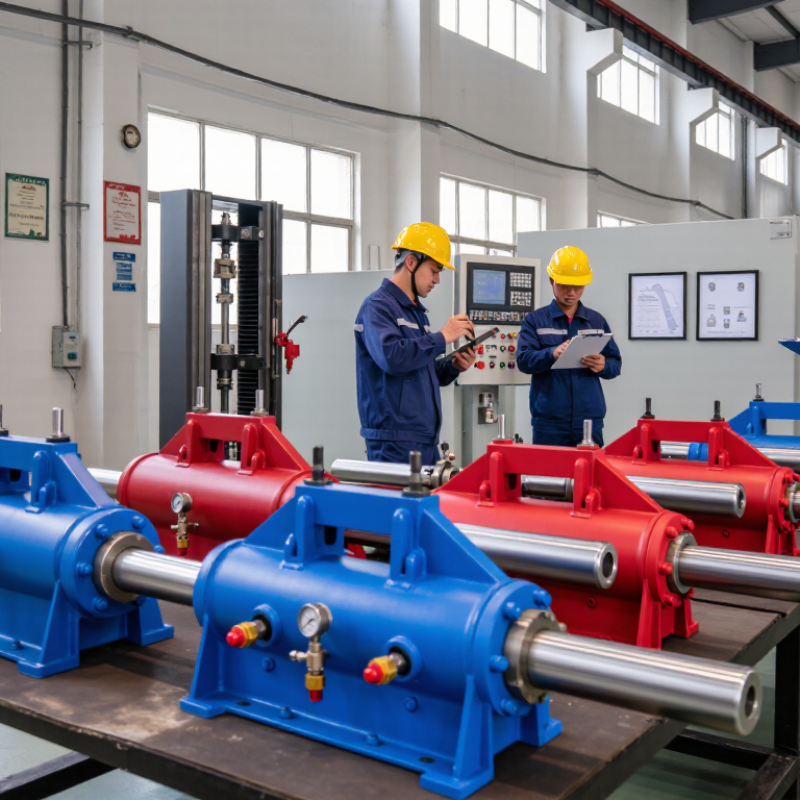
Choosing a hydraulic jack supplier requires more than comparing prices or polished product photos. During factory evaluations, inspect welds, seals, lifting surfaces, and safety valves closely. Ask for load-test records from recent production batches. A credible supplier should explain testing methods, equipment accuracy, and acceptance limits clearly.

Verify certificates independently. Check the certificate number, issuing body, validity period, and covered factory address. ISO 9001 supports process control, but it does not automatically prove product safety. Request material certificates, calibration records, inspection reports, and technical drawings. Compare these documents with the actual jack in your hand. Small inconsistencies matter. I have seen excellent reports paired with poorly finished samples.

Production capacity needs physical evidence. Review machining areas, assembly lines, storage space, and the number of trained operators. Ask how many units can be produced monthly under normal conditions, not during peak output. Confirm whether critical parts are made internally or purchased from subcontractors. Check typical lead times, quality staffing, and backup plans for component shortages.

Use a paid sample or pilot order when possible. Measure lifting height, lowering control, leakage resistance, and rated-load performance. Record results before approving larger volumes. A supplier may pass a sample inspection yet struggle with consistency. That risk deserves attention. Good communication helps, but documented evidence carries more weight. Keep asking uncomfortable questions. That is often where reliability becomes visible.

How to Verify a Hydraulic Jack Supplier in China

The chart shows common nominal capacity classes used for hydraulic jacks, from 2 to 50 tonnes. Capacity range alone does not prove supplier quality; buyers should verify that the supplier can provide valid certification, traceable load-test records, hydraulic leakage-test results, and documented production capacity.

  • Check the certificate number, validity period, issuing body, and product scope.
  • Request test reports covering rated load, overload protection, stability, and leakage performance.
  • Compare monthly production records with the requested order quantity and delivery schedule.
  • Confirm batch traceability for cylinders, seals, welding processes, and final inspection records.

How to Select a Supplier for Your Business Requirements

What Is the Best Hydraulic Jack Supplier in China?

Selecting a hydraulic jack supplier should begin with your business requirements, not a low quotation. Define lifting capacity, working height, operating environment, order volume, and delivery schedule. A workshop needing compact bottle jacks has different priorities from a distributor serving construction projects. Write these details clearly before contacting factories.

Ask suppliers for product drawings, load-test records, material specifications, and inspection procedures. Reliable manufacturers should explain how cylinders, seals, valves, and safety systems are checked. Request a sample and test it under realistic conditions, including repeated lifting and slow pressure loss. Look for traceable batch numbers and consistent packaging. Factory visits or independent inspections can reveal details that online calls miss.

Experience matters, but it should be supported by evidence. Review export history, technical staff qualifications, response speed, and after-sales procedures. Confirm whether the supplier can provide documents required in your market. A polished catalog is not enough. I once treated fast replies as proof of strong production control, but that assumption failed when delivery became uncertain. Leave room for inspection delays, replacement parts, and changing freight costs. No supplier is perfect. The better choice is one that reports problems honestly and corrects them quickly. Compare total ownership costs, not only the unit price, because weak seals or poor documentation can create expensive disruptions.

What Is the Best Hydraulic Jack Supplier in China? — How to Select a Supplier for Your Business Requirements

Use this weighted checklist to compare suppliers against your product, destination-market, and purchasing requirements. The suggested weights are a starting point, not an industry ranking.

Evaluation Dimension Suggested Weight What to Verify Suggested Requirement or Evidence Score (1–5)
Product and application fit 20% Jack type, rated capacity, lifting range, minimum height, stroke, intended use, and operating conditions. Match the written specification to your application. Confirm rated capacity and dimensions on the product drawing and data sheet; do not treat test load as rated capacity. _____
Safety and market compliance 20% Risk controls, warnings, operating instructions, inspection requirements, and applicable destination-market rules. Request relevant test reports and technical documentation. Check whether standards such as EN 1494 or ASME PASE apply to the specific jack and target market; confirm the applicable edition and scope. _____
Quality assurance 15% Incoming inspection, in-process checks, final inspection, leak testing, defect handling, and batch records. Review written inspection procedures and sample records. Verify that test methods and acceptance criteria are documented for the model being quoted. _____
Manufacturing capability 10% Production processes, equipment, capacity planning, subcontracted operations, and production traceability. Confirm which processes are performed in-house and which are outsourced. Request a production flow chart and a sample lot-traceability record. _____
Customization and documentation 8% Changes to dimensions, handles, finishes, packaging, labels, manuals, and private-label requirements. Obtain written confirmation of the requested specification, revision-controlled drawings, packaging details, and approval samples before production. _____
Lead time and delivery reliability 8% Sample timing, production schedule, order-ready date, shipping terms, and communication of delays. Set a delivery target for your order and request a written production schedule. Compare the supplier’s stated schedule with performance on trial orders. _____
Total cost of ownership 8% Unit price, tooling or setup charges, packaging, freight, duties, inspection costs, warranty, and replacement parts. Compare like-for-like quotations using the same product specification, order quantity, Incoterm, packaging, and payment assumptions. _____
Export readiness 5% Export documentation, packaging suitability, product labels, shipping coordination, and experience with your destination market. Confirm required documents and labels for the destination country with your importer, broker, or compliance adviser. Review a sample document set where available. _____
After-sales support 6% Warranty terms, response process, spare-parts availability, technical support, and handling of quality claims. Get warranty coverage and claim procedures in writing. Confirm which parts are available, how they are ordered, and how technical issues are escalated. _____
Total 100% Weighted result = add each dimension’s weight multiplied by its score. Use the same 1–5 scoring scale for every supplier. _____

Scoring guide: 1 = evidence is missing or requirements are not met; 3 = requirements are partly met and need follow-up; 5 = requirements are met and supported by verifiable evidence. Shortlist suppliers that meet your safety and market-compliance requirements first, then compare their weighted results. Verify specifications and claims with samples, documents, and agreed inspection criteria before placing a production order.

Download
Brochure