China Best Parking Lot Striping Rental Suppliers?
Choosing a reliable supplier for Parking Lot Striping Rental in China takes more than comparing daily rates. The right equipment should match the site, the coating, and the crew’s experience. A compact walk-behind machine may suit a small retail lot, while a larger project may need greater paint capacity and consistent line control. Small details matter. Ask suppliers for current equipment specifications, clear photos, rental terms, delivery options, and written maintenance support. These details help separate a useful quote from a low price with important gaps.
This guide looks at how buyers can assess Chinese rental suppliers without treating an unverified ranking as a guarantee. Check whether the supplier explains line-width settings, compatible paint types, cleaning procedures, and available replacement parts. Ask who handles setup and troubleshooting, and request references or project examples where possible. Compare the full rental cost, including transport, deposits, consumables, and any required operator training. Ask for specifics. A polished brochure is not proof of dependable service, and even a careful checklist cannot predict every site condition. It is worth admitting that supplier information may be incomplete or difficult to compare. Verify key claims directly, and confirm the machine fits your pavement, schedule, and crew before booking.
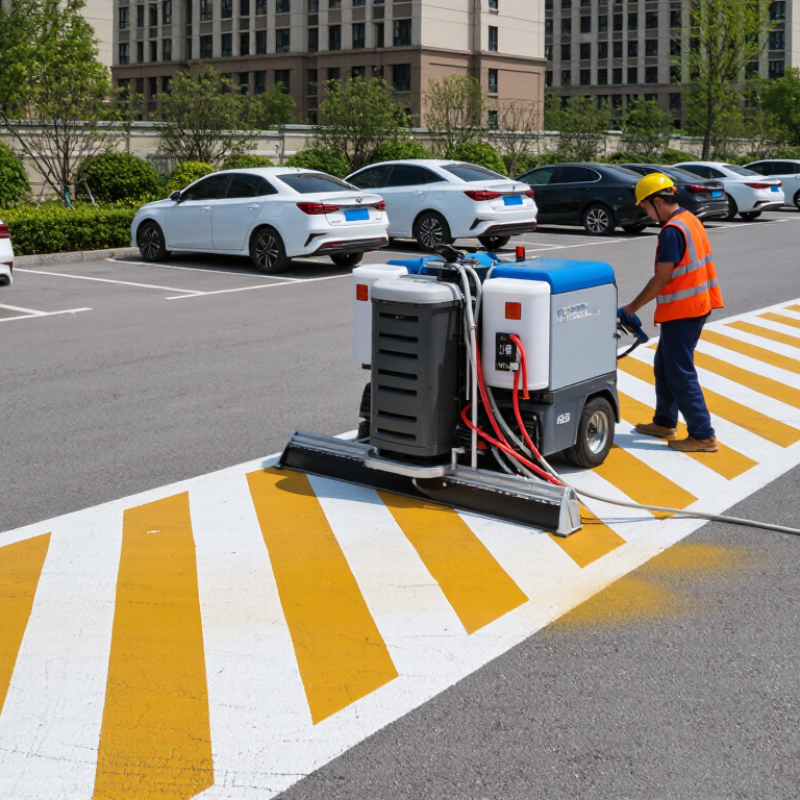
What Parking Lot Striping Rental Suppliers Provide
Parking lot striping rental suppliers provide equipment for repainting stalls, arrows, loading zones, and other pavement markings. A typical rental package may include a walk-behind striping machine, spray tips, paint hoses, and basic setup instructions. Some suppliers also offer stencils, traffic cones, and compatible pavement paint. Ask what is included before booking; small missing parts can delay a job.
The right machine depends on the site. A compact unit can suit a small lot with tight turns, while larger properties may need a faster, ride-on system. Suppliers may help estimate paint use and rental time from the lot’s size and layout. Useful support includes delivery, operating guidance, and a clear process for reporting equipment problems. Check whether the machine suits the paint type and surface condition.
Reliable suppliers should explain cleaning steps, routine checks, and safe handling in plain language. Ask about maintenance records and what happens if the sprayer clogs or loses pressure mid-job. Details matter. A demonstration can reveal whether controls feel manageable and lines stay even. Still, estimates are not guarantees; worn pavement, wind, and operator practice can change the result. That part is easy to underestimate. Compare the full rental terms, not only the daily price.
How to Assess Chinese Striping Equipment Suppliers
China Best Parking Lot Striping Rental Suppliers?
How to Assess Chinese Striping Equipment Suppliers
When assessing Chinese striping equipment suppliers, request more than a catalogue and a rental quote. Ask for a live demonstration using the paint type, nozzle, and surface conditions you expect. Watch the first few metres closely: does the line start cleanly, hold its width, and stop without dripping? Check spray pressure, bead delivery, cleaning access, and how quickly an operator can change line width. Small details matter. Ask for maintenance logs and a sample rental agreement, including transport, spare parts, training, and response times. A low daily rate can become expensive when a machine sits idle.
Use measurable acceptance criteria. The U.S. Federal Highway Administration’s MUTCD 11th Edition, Table 3A-1, specifies maintained retroreflectivity levels for certain longitudinal markings: 50 mcd/m²/lx on roads with speed limits of 35 mph or less, and 100 mcd/m²/lx at 40 mph or more, subject to stated exceptions. These are U.S. requirements, not universal purchasing rules; confirm the standards for your project. Ask suppliers how their equipment supports consistent paint application and glass-bead placement, then verify results with suitable field measurements. Request dated test records and traceable component specifications. Paperwork helps, but it does not replace a site trial. I would also check local service coverage and parts lead times before comparing prices; this step is easy to overlook.
Which Equipment Types and Rental Terms to Compare
For a small lot with a few dozen stalls, a walk-behind line striper is often easier to control than a ride-on machine. Larger sites may benefit from ride-on equipment, which can cover long lanes with less operator fatigue. Compare airless stripers by paint compatibility, adjustable line width, and how quickly the machine can be cleaned. If the job includes arrows or accessible-space symbols, check whether stencils are included or rented separately. A bead dispenser may help add reflective glass beads, but only if the chosen paint and machine support them. Test a short line on clean pavement before marking the full lot. Small details show up fast.
Rental prices can hide practical costs. Ask whether the quote is hourly, daily, or weekly, and confirm when the rental clock starts and ends. Delivery, fuel, paint, cleaning, and late-return charges can change the total. Get the deposit amount and damage policy in writing. Also ask who handles a clogged tip or a machine that stops mid-job. Operator instruction matters, especially when line width must stay consistent beside curbs and parked cars. Weather terms deserve a close look; rain can delay painting, but not every agreement allows a free extension. I would not choose by price alone. I once might have, and that would have been a poor measure. Compare the machine’s condition, included accessories, support, and return requirements before booking.
How to Verify Supplier Quality, Safety, and Support
China Best Parking Lot Striping Rental Suppliers?
How to Verify Supplier Quality, Safety, and Support
A supplier’s product photos cannot show how a rental machine performs on rough pavement. Ask for recent maintenance records, operating instructions, and clear specifications for line width and paint compatibility. Check whether the quoted machine matches your lot size and expected work pace. A small test stripe can reveal uneven spray, clogging, or difficult controls before a full shift begins. Simple, but useful.
Safety needs practical proof. Ask how the equipment is inspected before dispatch and what protective gear operators should use. Confirm that guards, emergency stops, and warning labels are present and readable. Request written setup guidance, especially if your crew has not used that machine type. Do not assume a short demonstration covers every risk. It may not.
Support matters when the machine stops halfway through a job. Get the contact method, response hours, spare-parts options, and process for reporting a fault in writing. Clarify who handles pickup, delays, and damage checks. For overseas rentals, confirm delivery timing and which accessories are included. Compare answers, not just prices. A tidy checklist can still miss a detail, so ask your crew to review the terms before booking.
How to Match a Supplier to Your Project Needs
Match the rental package to the lot’s size, surface, and schedule. A small crew marking a few stalls may need a walk-behind machine, while a larger site may benefit from a ride-on unit. Check whether the equipment supports the line width and paint type your project requires. Ask about delivery, setup, cleaning, and repair support. A low rental rate matters less if the machine arrives late or needs adjustments you cannot make.
Tips: Send the supplier a simple site plan, estimated stall count, and photos of the pavement. Confirm what paint and stencils are included, and ask for a short operating demonstration before work begins. Clarify who handles replacement parts if a nozzle clogs or a wheel fails.
One weak spot in many plans is assuming the lot is ready to stripe. Dust, old markings, and uneven pavement can affect line quality, so check the surface before booking. Also compare the rental period with your actual work hours, including setup and drying time. Small details matter. Even a careful estimate can miss something; leave a little flexibility for weather or site conditions.
How to Match a Parking Lot Striping Rental Supplier to Your Project
Use these sample evaluation weights to compare suppliers against your project needs. Prioritize compatible striping equipment and availability, then adjust the weights for your site size, schedule, delivery distance, and support requirements. This is a planning template, not market survey data.