Top 10 Benefits of WPC Co-extrusion Cladding for Buyers?
In recent years, WPC Co-extrusion Cladding has gained significant traction in construction and design industries. According to a report by MarketsandMarkets, the global market for wood-plastic composites is projected to reach $9.8 billion by 2027, driven by sustainability and durability. This innovative cladding solution offers several key advantages for buyers looking to enhance their properties.
WPC Co-extrusion Cladding combines natural wood fibers with plastic, creating a material that is both appealing and long-lasting. Its resistance to moisture and insects makes it a reliable choice for exterior applications. Research indicates that properties clad with WPC materials can see reduced maintenance costs, reflecting a positive return on investment. Moreover, homeowners increasingly prefer eco-friendly options; WPC's recyclable nature aligns well with this trend.
Despite its benefits, some challenges remain. Misunderstandings about installation techniques can lead to issues down the line. Proper guidance is crucial in maximizing WPC's potential. Buyers must also weigh the upfront costs against long-term savings to make informed decisions. Understanding these factors ensures that the investment in WPC Co-extrusion Cladding is both strategic and beneficial.
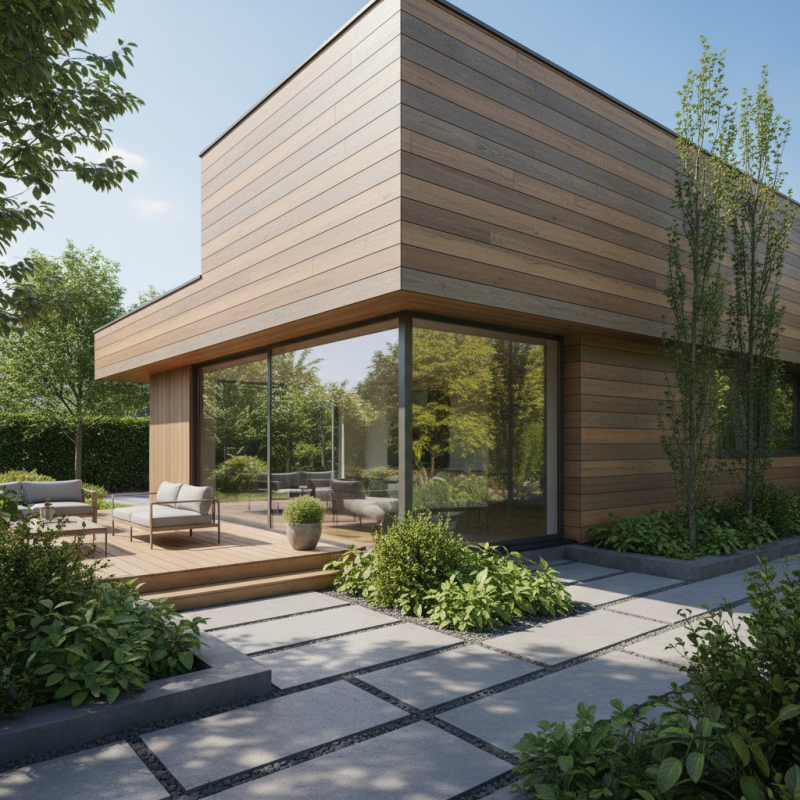
Benefits of WPC Co-extrusion Cladding in Durability and Longevity
WPC co-extrusion cladding is gaining attention for its impressive durability and longevity. This innovative material consists of a wood-plastic composite with a protective layer. This layer defends against environmental factors, making it resistant to moisture and UV rays. Such protection greatly enhances its lifespan compared to traditional materials.
The durability of WPC co-extrusion cladding means fewer replacements over time. Homeowners can enjoy peace of mind knowing their investment won’t falter easily. This can lead to cost savings in the long run. Additionally, it requires minimal maintenance, which further enhances its appeal. Scratches and stains are less likely to affect its appearance, ensuring the cladding remains attractive.
However, while WPC co-extrusion cladding is strong, improper installation can lead to problems. It is essential to follow guidelines carefully to maintain its benefits. Some users report that color fading occurs in extreme conditions. Awareness of these issues helps buyers make informed decisions. Investing in knowledge about this material is just as crucial as the product itself.
Top 10 Benefits of WPC Co-extrusion Cladding for Buyers
| Benefit | Description | Durability Rating (1-10) | Maintenance Required |
| High Weather Resistance | Withstands extreme weather conditions without deteriorating. | 9 | Low |
| Moisture Resistance | Prevents issues related to mold and rot. | 8 | Minimal |
| UV Resistance | Protects against fading and degradation from sunlight. | 8 | Low |
| Sustainable Material | Made from recycled materials, eco-friendly option. | 7 | Low |
| Aesthetic Versatility | Available in various styles and colors to suit design needs. | 8 | None |
| Low Weight | Easier to handle and install compared to traditional materials. | 6 | Low |
| Cost-Effective | Longer lifespan reduces replacement costs. | 7 | Low |
| Scratch Resistance | Surface resistant to scratches and dents. | 9 | Moderate |
| Low Thermal Expansion | Minimizes material warping under temperature variations. | 8 | Low |
| Enhanced Safety | Non-slip surface for added safety in outdoor areas. | 9 | None |
Economic Advantages of WPC Co-extrusion Cladding for Homeowners
WPC co-extrusion cladding offers practical economic benefits for homeowners. It combines wood and plastic, creating a durable, low-maintenance exterior. This innovative material is resistant to rot, insects, and harsh weather conditions. With a longer lifespan than traditional materials, it cuts down replacement costs. Homeowners may find that it ultimately saves money over time.
Investing in WPC co-extrusion cladding can significantly reduce maintenance expenses. Unlike wood, it doesn’t require regular painting or sealing. This translates into both time and financial savings. You spend less on upkeep, allowing you to focus on other home projects.
Tip: Consider the initial cost versus long-term savings when choosing materials.
Furthermore, WPC cladding's energy efficiency is worth noting. It acts as an insulator, potentially lowering energy bills. This dual function not only protects your home but also enhances its energy performance. This is a contribution to sustainable living that can be reflected in your monthly budget.
Tip: Research to find reputable suppliers to ensure high-quality products.
Environmental Sustainability of WPC Co-extrusion Cladding Materials
WPC co-extrusion cladding materials offer numerous benefits, significantly contributing to environmental sustainability. These materials, made from a mix of wood fibers and polymers, reduce reliance on virgin plastic. Reports indicate that using recycled plastics in production can lower carbon footprints by up to 70%. This eco-friendly aspect appeals to both builders and environmentally-conscious consumers.
The durability of WPC cladding contributes to sustainability as well. Its resistance to weathering and pests means it typically lasts longer than traditional materials. With a lifespan of over 25 years, WPC reduces the need for replacement, minimizing waste. This longevity is crucial in the fight against environmental degradation.
Tip: Always check the material’s lifecycle data to assess its environmental impact accurately. Look for certifications that verify eco-friendly claims. Choosing WPC cladding means supporting sustainability while ensuring aesthetic flexibility in design. It’s a win-win scenario for buyers. However, building awareness on the importance of continuous recycling improvements in WPC production remains vital.
Top 10 Benefits of WPC Co-extrusion Cladding
Aesthetic Versatility: Design Options in WPC Co-extrusion Cladding
WPC co-extrusion cladding offers remarkable aesthetic versatility for modern architectural designs. This innovative material combines natural wood fibers with durable polymers, resulting in a product that mimics the appearance of traditional wood. Buyers can choose from a wide array of colors and finishes, allowing for unique design themes that suit different tastes and styles. The realistic texture and varied hues cater to both contemporary and classic architectural plans.
The adaptability of WPC cladding allows designers to get creative. For example, it can be used for accent walls or in bold color combos. This option can break the monotony of standard exteriors. The material’s lightweight but robust nature simplifies installation. However, while aesthetics are crucial, it’s worthy to consider how color fading may occur over time. Buyers need to weigh beauty against maintenance requirements for sustained visual appeal.
Additionally, WPC co-extrusion cladding can contribute to sustainability efforts. Being made from recycled materials, it aligns with eco-friendly building practices. This attribute appeals to design-conscious consumers prioritizing responsible choices. Nonetheless, potential buyers should investigate different suppliers. Quality may vary, affecting both look and longevity. It’s essential to research thoroughly, ensuring the right balance between aesthetic charm and practical performance.
Maintenance Ease and Cost Savings of WPC Co-extrusion Cladding
WPC co-extrusion cladding offers significant maintenance ease and cost savings for homeowners and builders. Compared to traditional materials, WPC cladding requires less frequent maintenance. For instance, a report from the American Institute of Architects indicates that WPC products can last much longer, reducing repainting needs by up to 50%. This longevity contributes directly to lower long-term costs.
The material is also highly resistant to moisture and decay. In a research article published in the Journal of Composite Materials, studies showed that WPCs maintained structural integrity even after prolonged exposure to harsh weather. This durability means homeowners spend less on repair and replacement.
A homeowner may find themselves saving thousands over the cladding's lifespan, an aspect often overlooked during the buying process.
However, not every installation goes perfectly. Some users have reported initial challenges with fitting and aesthetics. While WPC cladding provides aesthetic options, improper installation can lead to visible seams. Users should carefully consider these aspects to maximize benefits. Balancing cost and appearance is essential for effective long-term satisfaction.