Top 10 Benefits of Spring Energized Seals for Global Buyers?
In today's competitive industrial landscape, the choice of sealing solutions significantly impacts product reliability and performance. Spring Energized Seals emerge as a leading option. These seals are designed to adapt effectively to various operating conditions and environments. Their unique construction allows them to maintain a tight seal, even under extreme pressure or temperature variations.
Global buyers are increasingly recognizing the advantages of Spring Energized Seals. Their ability to provide excellent sealing performance in harsh conditions makes them indispensable in industries like aerospace, oil, and gas. Many users have noted the reduction in maintenance costs, enhancing operational efficiency. Such reliability is crucial for businesses that depend on minimizing downtime.
However, not all buyers fully understand the potential applications and benefits. There’s still a knowledge gap regarding their long-term advantages and suitability for specific requirements. Exploring the top benefits of Spring Energized Seals can help bridge this gap. Each advantage offers insights into how these seals can improve overall functionality and performance in various settings. As industries evolve, adapting to innovative solutions like these is essential for sustained success.
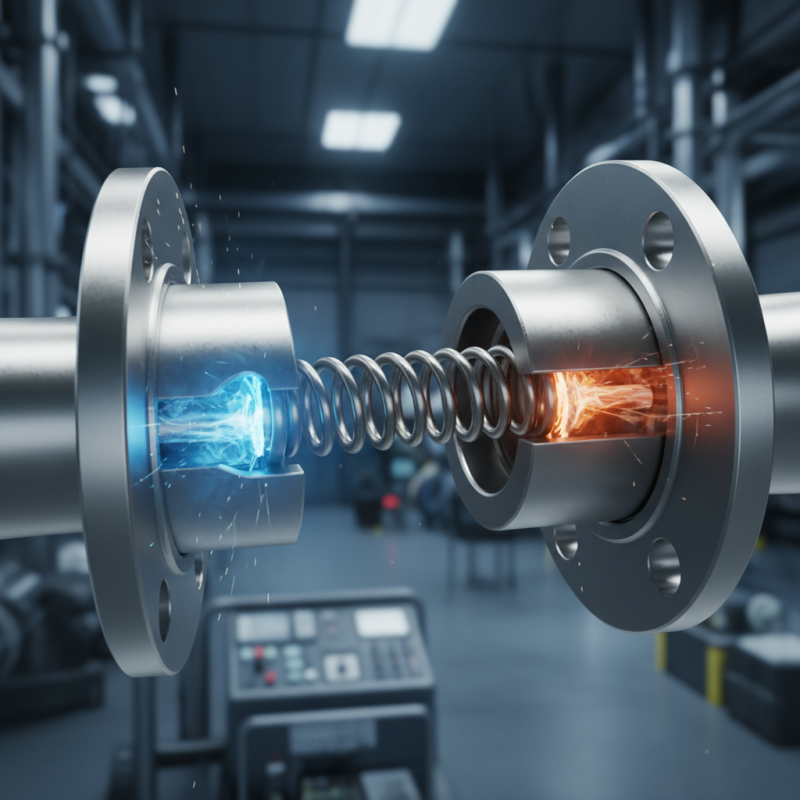
Benefits of Spring Energized Seals in Dynamic Applications
Spring energized seals offer versatility in dynamic applications. These seals adapt to changing conditions, maintaining a tight seal under pressure. They are ideal for industries that demand high reliability, such as aerospace and automotive. The design ensures a low-friction operation, reducing wear on both the seals and the equipment.
One key benefit of these seals is their ability to perform in extreme temperatures. They maintain their sealing pressure without losing effectiveness. Additionally, they are resistant to various fluids, making them suitable for diverse environments. However, users must remember that improper installation can lead to failure. It’s crucial to ensure the seals are correctly positioned to maximize their lifespan.
Tips for selecting spring energized seals include considering the specific application requirements. The hardness of the material affects its performance. Choose a material that balances durability and flexibility. Also, verify compatibility with the fluids it will encounter. This precaution can prevent costly downtime and enhance overall system efficiency. Understanding these nuances can elevate your sealing strategy significantly.
Enhanced Durability and Longevity of Spring Energized Seals
Spring energized seals offer enhanced durability and longevity, making them an attractive choice for various applications. These seals can withstand extreme temperatures and pressures, significantly outperforming traditional rubber seals. According to a study by the International Sealing Distributors Association, spring energized seals can last up to five times longer than standard elastomer seals. This extended lifespan reduces maintenance costs and downtime, benefiting global buyers.
What sets these seals apart is their design. The spring component ensures consistent contact with the sealing surface, maintaining integrity over time. This feature is especially important in industries such as aerospace and pharmaceuticals, where reliability is critical. Research shows that failure rates for traditional seals can exceed 25% in demanding environments. In contrast, spring energized seals often achieve failure rates below 5%.
While the benefits are clear, buyers should recognize the need for careful selection. Not all spring energized seals are manufactured to the same specifications. The materials used can greatly influence performance. It is essential for buyers to rely on trustworthy data and expertise when choosing seals. Misjudging the application requirements can lead to unexpected failures and increased costs. Investing in durable sealing solutions requires informed decision-making.
Top 10 Benefits of Spring Energized Seals for Global Buyers
Cost-Effectiveness of Using Spring Energized Seals Globally
Spring energized seals provide a cost-effective solution for global buyers, balancing performance and price. According to a recent industry report, seals can reduce operational downtime by up to 30%. This reduction translates into significant savings. Companies can avoid costly maintenance and lost productivity.
Moreover, spring energized seals excel in harsh environments. Their versatility allows them to function effectively under extreme temperatures and pressures. In fact, a study showed that they outperform traditional seals by 40% in severe conditions. This can lead to longer service life, thus justifying the initial investment. While the upfront cost may be higher, the lifecycle savings are substantial.
However, even the best solutions have limitations. Installation requires skilled labor, which can increase costs initially. Maintenance protocols must be strictly followed; failing to do so can lead to seal failure. Companies must weigh these factors against potential savings. Despite these challenges, the benefits often outweigh the drawbacks, making spring energized seals a reliable choice for many industries.
Improved Sealing Performance in Extreme Conditions
Spring energized seals are designed to perform under extreme conditions. Their unique design allows them to maintain a secure seal in varying temperatures and pressures. This resilience is critical in industries like aerospace, automotive, and oil and gas. These seals can function in both hot and cold environments, providing reliable performance where traditional seals might fail.
In challenging applications, the flexibility of spring energized seals is notable. They adapt to surface irregularities and wear, which ensures minimal leakage. However, achieving the optimal installation requires precision. Incorrect sizing or improper alignment can compromise their effectiveness. It's essential to ensure conditions are assessed accurately to maximize their advantages.
While these seals offer many benefits, they may not be suitable for every scenario. In some instances, users have reported issues with compatibility in certain fluids. Awareness of these limitations is crucial. Continuous improvement in design is essential, as feedback from real-world applications guides advancements. Recognizing both strengths and weaknesses can lead to better decision-making in seal selection.
Versatility of Spring Energized Seals Across Various Industries
Spring energized seals are gaining popularity across various industries. These seals are known for their adaptability and performance, making them a key choice for many applications. Studies indicate that they can maintain sealing integrity under extreme temperatures and pressures. This versatility is crucial for sectors such as aerospace, automotive, and pharmaceuticals.
For instance, in the aerospace industry, a report by the Aerospace Industries Association highlights that effective sealing solutions are essential for performance and safety. Spring energized seals provide reliable performance, with a failure rate as low as 0.1% under optimal conditions. The pharmaceutical sector also benefits significantly from these seals. They ensure compliance with stringent hygiene standards, reducing contamination risks during the manufacturing process.
Interestingly, not all applications are without challenges. Spring energized seals require precise installation and material selection. Incorrect specifications may lead to premature wear. Inadequate training for technicians can further complicate their implementation. Despite these challenges, their benefits are substantial and underline the need for ongoing education and best practices in their use.