Empowering Engineering Excellence: Innovate, Elevate, Deliver.

How to Choose the Right Hydraulic Fittings?

Choosing the right Hydraulic Fittings is not merely a catalog exercise. It is a pressure, motion, and compatibility decision. A fitting may look correct yet fail after heat, vibration, or repeated cycling. In field service, small thread errors often create large leaks. That lesson is easy to overlook.

A reliable selection starts with the system’s working pressure, temperature, fluid type, and required flow. Check the fitting material against the fluid and surrounding environment. Stainless steel may suit corrosive areas, while plated steel can fit many general applications. Confirm thread standards, connection geometry, tube size, and sealing method using manufacturer documentation. Never guess from appearance. Pressure ratings must match the complete assembly, not only one fitting. Hydraulic safety guidance, such as ISO 4413, can support a disciplined review. Local requirements and equipment instructions still matter.

This guide explains how experienced technicians compare adapters, elbows, tees, quick couplers, and hose ends. It also considers installation space, bend radius, maintenance access, and contamination control. A fitting that saves space today may complicate inspection tomorrow. That trade-off deserves attention. Before approval, inspect threads, seals, torque guidance, and visible damage. Test the assembled circuit under controlled conditions, using suitable protective measures. No selection method is perfect. Real systems age, and assumptions can fail. Record the reasoning, review it with qualified personnel, and revise the choice when operating conditions change.

How to Choose the Right Hydraulic Fittings?

Understanding Hydraulic Fitting Types and Their Applications

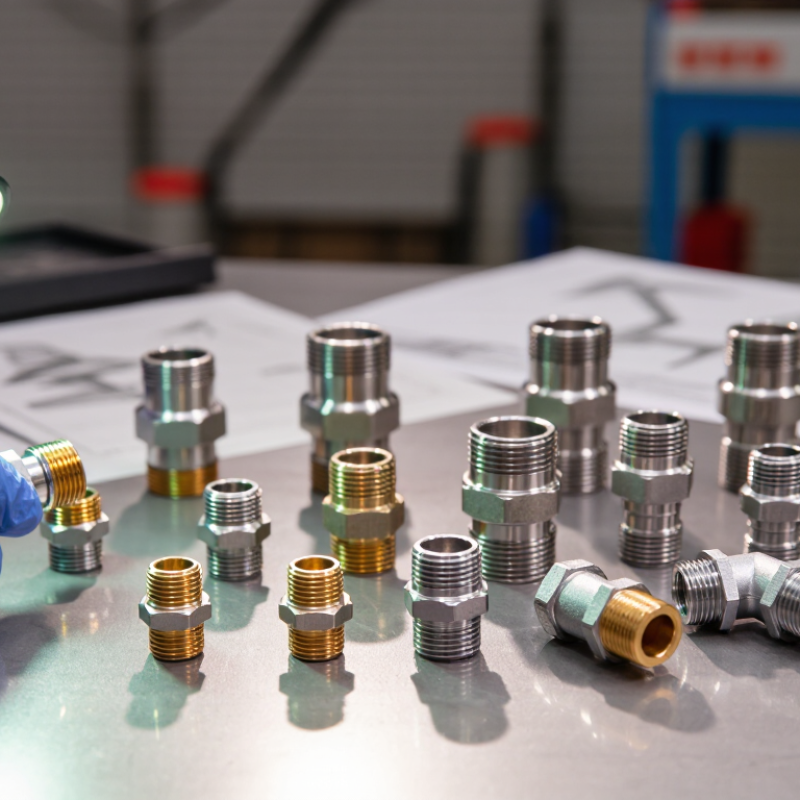
Choosing a hydraulic fitting starts with the application, not the thread size. Tube fittings suit clean, rigid installations, while hose fittings tolerate movement and vibration. Flare fittings create reliable metal-to-metal seals in many high-pressure lines. O-ring face-seal fittings perform well where leakage control matters, especially near pumps and valves. Threaded fittings remain practical, but poor thread matching can cause damage quickly.

Pressure is only one part of the decision. Check working pressure, temperature, fluid compatibility, vibration, and available space. ISO 8434 covers several metallic tube-fitting designs, while ISO 6162 addresses flange connections used in higher-flow systems. A 2024 hydraulic fittings market analysis estimated global revenue near 3.5 billion dollars, with demand growing at roughly 4% annually. That growth reflects expanding mobile machinery, factory automation, and maintenance needs. Numbers vary between reports. They should not replace engineering checks.

In field work, measure the port and confirm the thread standard before ordering. NPT, BSPP, BSPT, and metric threads are not interchangeable. They may look similar. A fitting can install smoothly and still leak under pressure. I have seen unnecessary failures begin with sealant used on an O-ring connection. Select sealing methods according to the fitting design. Consider stainless steel for corrosive environments, carbon steel for many general systems, and protective coatings where moisture is persistent. Recheck torque values and inspect the hose bend radius. Small shortcuts often become expensive downtime.

Matching Fitting Materials with Fluids, Pressure, and Temperature

How to Choose the Right Hydraulic Fittings?

Matching Fitting Materials with Fluids, Pressure, and Temperature

A hydraulic fitting must suit the fluid, working pressure, and operating temperature. Material selection starts with chemical compatibility. Carbon steel commonly handles mineral-based hydraulic oil well. Stainless steel is often safer with water-based fluids, corrosive environments, or aggressive cleaning chemicals. Brass can work in moderate-pressure applications, but it may be unsuitable for certain fluids or high mechanical loads.

Check the fluid data sheet before choosing. Water-glycol mixtures, phosphate esters, and biodegradable oils can affect metals and seals differently. The fitting body may remain stable while its O-ring swells, cracks, or hardens. That small seal can cause a large leak. Seal material matters as much as fitting material.

Pressure ratings are not fixed forever. Heat can reduce strength, especially in plastic or plated components. Confirm the rated pressure at the actual operating temperature, not at room temperature. Also consider pressure spikes from pumps, valves, and sudden actuator stops. I have seen systems pass a bench test but fail after repeated thermal cycling. The inspection focused on static pressure and missed movement.

Avoid mixing incompatible metals without protection. Galvanic corrosion may develop where moisture connects them. Thread type, tube material, vibration, and installation torque also deserve attention. A fitting that looks correct may still be wrong. Recheck the selection against real fluid conditions, peak pressure, temperature changes, and maintenance access before installation.

How to Choose the Right Hydraulic Fittings?

Matching fitting materials with fluid compatibility, pressure requirements, and temperature limits is essential for safe hydraulic system design.

Typical continuous temperature envelope by fitting material (°C)

Stainless steel is commonly selected for water-based fluids, aggressive environments, and higher-temperature service. Carbon steel is widely used with mineral hydraulic oils and high-pressure systems. Brass is suitable for many water, air, and moderate-pressure oil applications, while aluminum and thermoplastic fittings are generally chosen for lightweight or lower-temperature applications.

These ranges are representative engineering values for preliminary material screening. Actual limits depend on fitting size, design standard, sealing material, fluid chemistry, pressure, and manufacturer specifications. Pressure ratings should always be checked at the system’s maximum operating temperature.

Selecting the Correct Size, Thread, and Connection Standard

Choosing a hydraulic fitting starts with size, not appearance. Measure the tube outside diameter, hose inside diameter, and port size. A fitting that looks close can still restrict flow or create leakage. The U.S. Department of Energy reports that hydraulic leaks may waste 20% to 30% of system energy. Correct sizing reduces one avoidable loss.

Thread identification demands care. NPT threads seal on the taper, while BSPP threads usually need a bonded seal or washer. Metric threads often follow ISO 6149 or ISO 1179 requirements. SAE J514 covers many commonly used flare connections. Never force different thread forms together. They may engage briefly, then fail under vibration. Use a thread gauge, caliper, and clear lighting. I still recheck pitch twice; rushed measurements are surprisingly common.

Connection standards must match pressure, temperature, fluid, and maintenance conditions. ISO 8434 provides requirements for several metallic tube connections, while ISO 6162 covers split-flange connections. Check the working pressure, not only the advertised burst pressure.

A 2023 technical review from the National Fluid Power Association emphasizes that contamination and poor installation remain major causes of fluid-power failures. Clean ports, cap open lines, and tighten fittings with a calibrated torque tool. It is tempting to trust experience alone. That habit needs reconsidering. Record the selected size, thread standard, seal material, and torque value beside the assembly. Future technicians should not have to guess.

Evaluating Sealing Methods, Compatibility, and Leak Prevention

Choosing a hydraulic fitting starts with the sealing method, not the thread shape. O-rings suit many reusable connections, while bonded seals work well under pressure and vibration. Tapered threads depend on controlled interference and sealant, but excessive tightening can split ports or distort threads. ISO 4413 stresses cleanliness, correct assembly, and protection against leakage in hydraulic systems.

Compatibility is practical, not theoretical. Match the fitting material with the fluid, temperature, pressure, and hose construction. Check thread standards carefully. NPT, BSPP, and metric threads may appear similar but cannot seal reliably when mixed. A small mismatch can leave a thin oil ring around the joint. I still recheck this point.

Leak prevention also depends on installation habits. Cut hoses squarely, remove dust, and lubricate O-rings with compatible fluid. Never use a sharp tool to stretch an O-ring. Torque values should come from the fitting manufacturer or applicable standard, not guesswork. The U.S. Department of Energy’s Industrial Assessment guidance commonly identifies leakage as a major source of wasted system energy, with compressed-air leakage often reaching 20–30% of output; hydraulic losses can be equally costly in maintenance and downtime. Use a pressure test, then inspect every connection after several operating cycles. A dry surface matters. Visual checks alone are imperfect, especially beneath clamps or protective sleeves. Record the fitting type, torque, fluid, and inspection date for reliable maintenance decisions.

Checking Installation Requirements, Safety, and Long-Term Maintenance

How to Choose the Right Hydraulic Fittings?

Choosing hydraulic fittings begins with the installation environment, not appearance. Check the working pressure, temperature range, fluid type, and connection size. Confirm the tube’s outside diameter and thread form before ordering. A fitting may look correct but still mismatch the system. Use compatible materials and seals to prevent swelling, corrosion, or leakage. Follow the applicable engineering standard and the fitting manufacturer’s instructions.

Safety depends on careful preparation. Depressurize and isolate the circuit before installation. Clean every port and tube end, because one metal particle can damage a valve. Tighten fittings with a calibrated torque tool, rather than guessing by hand. Avoid forcing misaligned connections. I once treated a small seep as harmless. That judgment was wrong. Small leaks can worsen near heat, vibration, or moving machinery. After installation, perform a controlled pressure test while standing clear of possible spray paths.

Tips: Mark each connection before assembly. Record fitting size, material, torque, and installation date. Inspect for abrasion, rust, cracked seals, and fresh fluid during scheduled maintenance. Never tighten a pressurized fitting. Replace damaged seals instead of stretching them back into place. Maintenance records may seem excessive, but they reveal repeated failures and overlooked vibration. Check again after the first operating cycle. A system can settle, and that detail is easy to miss.

How to Choose the Right Hydraulic Fittings? - Checking Installation Requirements, Safety, and Long-Term Maintenance

Selection Dimension What to Check Recommended Choice or Practice Typical Technical Guidance Safety Consideration Long-Term Maintenance
System Pressure Normal operating pressure, pressure spikes, and the fitting’s rated working pressure. Select a fitting whose continuous working-pressure rating exceeds the maximum system pressure, including foreseeable surges. Use the lowest pressure rating among the fitting, tube or hose, adapters, valves, and connected equipment as the system limit. Never use a fitting above its published rating or rely on appearance to judge pressure capability. Inspect for deformation, cracking, leakage, and corrosion after commissioning and during scheduled shutdowns.
Fluid Compatibility Hydraulic fluid type, additives, water content, cleanliness requirements, and seal compatibility. Match the fitting material and seal compound to the fluid supplier’s compatibility data. Common materials include carbon steel, stainless steel, brass, and thermoplastic options; suitability depends on fluid and environment. Avoid mixing incompatible seal materials or introducing contaminants into a clean hydraulic circuit. Replace seals that become hardened, swollen, brittle, or permanently flattened.
Temperature Range Minimum and maximum fluid temperature, ambient temperature, and heat exposure near engines or exhausts. Choose a fitting and seal combination rated for the complete operating temperature range. Pressure capability may decrease at elevated temperatures; always use the manufacturer’s temperature derating data. Protect personnel from hot fluid and allow components to cool before loosening connections. Check for heat discoloration, seal deterioration, and changes in leakage after thermal cycling.
Connection Type Thread form, nominal size, gender, sealing method, and whether the connection is tube, hose, or port-mounted. Use matching thread standards and sealing methods; do not force incompatible threads together. Common connection families include ISO metric, ISO 6149 port connections, ISO 1179 port connections, and SAE J514-style flare connections. Incorrect thread engagement can cause sudden leakage, thread damage, or component separation. Record thread type and size in maintenance documentation to prevent incorrect replacement parts.
Tube or Hose Size Inside diameter, outside diameter, wall thickness, flow rate, and minimum bend radius. Choose the fitting size that matches the tube or hose specification and the required flow capacity. Undersized passages increase velocity and pressure loss; oversizing may reduce control performance and increase cost. Prevent hose kinking, twisting, sharp bends, and unsupported weight at the fitting. Inspect for abrasion, flattening, bulges, and movement at the hose-to-fitting interface.
Installation Space Available clearance, tool access, component orientation, and hose routing. Use elbows, tees, or adjustable adapters only when they improve routing without creating unnecessary joints. Fewer connections generally mean fewer potential leak points; allow enough room for inspection and wrench access. Do not use fittings to compensate for incorrect alignment or to force a hose into position. Keep connection points visible and accessible for routine inspection and torque verification.
Vibration and Movement Pump vibration, machine movement, pulsation, shock loads, and hose flexing. Use suitable flexible hose assemblies, clamps, supports, and vibration-resistant connection arrangements. Rigid tube should be supported; hose should be routed to flex naturally without torsion or tensile loading. A failed high-pressure hose can release fluid with enough force to cause serious injury. Check clamp condition, fretting, looseness, and hose movement at regular service intervals.
Sealing Method O-ring, bonded seal, flare, cone seat, tapered thread, or another specified sealing design. Use the sealing element specified for the connection; replace damaged or reused single-use seals. A seal is normally made at the designated seat or seal, not by excessive tightening of the threads. Do not apply thread sealant where it can enter the hydraulic circuit or interfere with an O-ring seat. Look for seepage around the seal and replace seals during approved rebuild intervals.
Installation Torque Specified torque, tightening method, lubrication condition, and whether torque-plus-angle is required. Use calibrated tools and follow the fitting manufacturer’s installation instructions for the exact connection. Under-tightening may leak; over-tightening can distort seats, damage threads, or shorten seal life. Depressurize and isolate the system before tightening or replacing a fitting. Mark or document critical connections where torque checks are part of the maintenance procedure.
Corrosion and Environment Moisture, salt spray, chemicals, outdoor exposure, washdown, and galvanic contact with other metals. Select a corrosion-resistant material or protective finish appropriate for the installation environment. Material selection must consider both external exposure and the hydraulic fluid inside the circuit. Corrosion can reduce wall thickness and compromise pressure integrity without obvious leakage at first. Remove surface contamination, repair damaged protective coatings, and replace deeply corroded parts.
Cleanliness Debris, metal chips, dust, moisture, and cleanliness level required by valves and actuators. Keep protective caps in place until installation and clean all mating surfaces before assembly. Contamination can damage pumps, valves, seals, and precision control components. Never blow debris toward an open hydraulic port with unfiltered compressed air. Investigate recurring filter blockage or abnormal component wear as possible contamination indicators.
Leak Testing and Commissioning Visual leakage, pressure-hold behavior, system response, and connection stability after startup. Pressurize gradually, inspect from a safe distance, and verify operation before applying full load. Use suitable leak-detection methods; never use hands to locate a high-pressure hydraulic leak. Fluid injection through skin is a medical emergency; wear appropriate protective equipment and follow lockout procedures. Record inspection results, replacement dates, torque values, and any corrective action.
Documentation and Traceability Part description, size, thread standard, material, seal type, pressure rating, and installation date. Maintain a fitting schedule or bill of materials for each hydraulic circuit. Use applicable technical standards and the component manufacturer’s current specifications. Clear records reduce the risk of substituting an incompatible or under-rated fitting during urgent repairs. Review records after modifications and keep inspection history with the equipment maintenance file.
Selection rule: Choose the fitting only after confirming connection standard, size, pressure, temperature, fluid compatibility, material, installation method, and environmental conditions as a complete system.
Download
Brochure