2026 Top Parcel Strapping Kit Suppliers for Global Buyers
Choosing a Parcel Strapping Kit can look simple until a loose strap slips against a carton corner or a buckle catches during packing. For global buyers, the right kit should match parcel size, strap material, daily volume, and operator skill. A small warehouse may need a compact tensioner and dependable seals; a busy fulfillment line may need faster, repeatable application. The details show up on the packing bench.
Packaging researcher Dr. Susan Selke’s work highlights a useful principle: packaging choices should balance product protection, material use, and performance. That perspective matters when comparing suppliers, not just prices. Buyers should check kit contents, strap compatibility, replacement-part availability, instructions, and support after purchase. Ask for specifications and test a sample with real cartons before placing a large order. Fit matters.
This guide examines suppliers serving buyers across markets, with attention to product range, customization, communication, and practical service. A listed supplier is not automatically the right supplier. Some product pages leave important details unclear, and that deserves a follow-up question. A strap that looks suitable in a photograph may behave differently around a heavy, uneven parcel. Small trials can reveal that. The comparison ahead is intended to help procurement teams ask sharper questions and choose a Parcel Strapping Kit that works at the packing station, not only on paper.
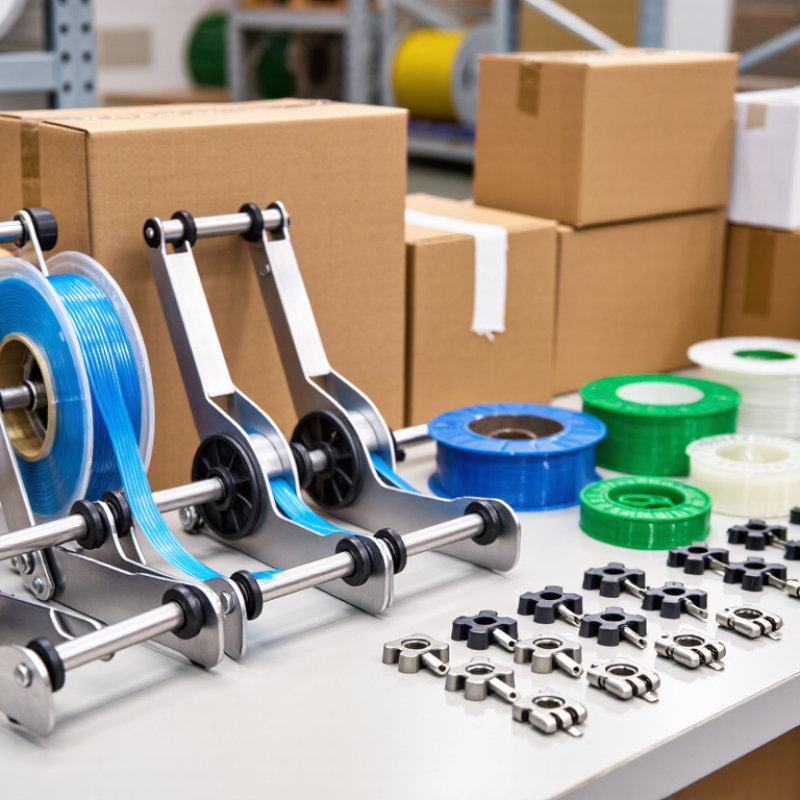
Parcel Strapping Kits: Components, Uses, and Applications
Parcel strapping kits usually combine polypropylene or polyester strap, a dispenser, a tensioner, and a sealing tool or buckles. Some kits also include corner protectors, which help prevent tight bands from crushing carton edges. The right setup depends on parcel weight, carton shape, and whether staff strap orders by hand or with powered equipment. The 2024 Parcel Shipping Index reports 161 billion parcels worldwide in 2023, underscoring how often secure, repeatable packing matters in busy distribution operations.
A small omission matters. Check that the kit’s strap width matches its tools, and test tension on a filled carton before routine use.
For light parcels, polypropylene strap can be practical; heavier or more demanding loads may call for polyester strap. These are starting points, not universal rules. Strap performance also depends on load stability, handling, and storage conditions. Still, the neatest kit is not always the right one: a trial carton may reveal that the strap is awkward to tension or leaves marks. Waste deserves attention, too. The U.S. Environmental Protection Agency’s 2018 Advancing Sustainable Materials Management report estimated 82.2 million tons of containers and packaging in U.S. municipal solid waste. Choose only the components needed for reliable closure, and check local recycling guidance before assuming used strap is accepted.
How to Evaluate Parcel Strapping Kit Suppliers in 2026
How to Evaluate Parcel Strapping Kit Suppliers in 2026
Parcel growth makes supplier checks operational, not cosmetic. Pitney Bowes’ 2024 Parcel Shipping Index estimates that global parcel volume reached 161 billion in 2023, with further growth forecast. The U.S. Census Bureau reported 2024 U.S. e-commerce sales of $1.193 trillion, up 8.1% from 2023. These figures point to a practical question: can a supplier maintain consistent kit quality as order volumes rise?
Check the complete kit, not just the strap. Ask for documented tensile strength, elongation, and joint performance for each strap size. Confirm that the dispenser, tensioner, seals, and strap work together on your actual parcels. Small details matter. Request current test records, batch traceability, and clear lead times. Compare material and strap dimensions against the relevant ASTM D3950 requirements where applicable.
Run a trial with cartons of different weights and surfaces. Look for loose joints, strap damage, and tool fatigue after repeated use. A polished sample is not proof of steady production; I would also inspect a routine shipment. Price still matters, but a low unit cost can hide waste from failed seals or awkward tools. Supplier answers should be specific, and easy to verify.
Product and Service Factors for Global Buyers
Global buyers should assess a parcel strapping kit as a working system, not a bundle of tools. The 2024 Pitney Bowes Parcel Shipping Index estimated 161 billion parcels were shipped worldwide in 2023. That scale makes throughput and serviceability practical buying concerns. Check that the tensioner and sealer match the strap’s width, thickness, and material. Ask for joint-strength test results using cartons close to your own size and weight. A seal that holds on a sample box may behave differently on a dusty, overfilled carton. Small detail. Request spare-part availability and clear instructions in the languages your operators use.
Service quality matters after installation. Ask how quickly the supplier can diagnose a tool that stops feeding or sealing, and whether routine wear parts are locally stocked. A short trial with your actual parcels can expose poor grip, awkward cutting, or operator fatigue. Even a tidy specification sheet may miss that last issue. Compare warranty coverage, training, and response times in writing, rather than relying on general assurances. Also confirm that consumables can be sourced consistently across your shipping locations. One weakness in the kit can slow a whole packing station. Evaluate it under real shift conditions.
Comparing Supplier Types, Regions, and Distribution Models
For global buyers, parcel strapping kit suppliers generally fall into three groups: manufacturers, regional distributors, and sourcing platforms. Manufacturers can customize strap width, buckle type, and dispenser design, but buyers may face larger minimum orders. Distributors often hold kits and replacement tensioners locally. Faster replenishment matters. Sourcing platforms offer broad comparisons, though stock status and technical support can be less clear.
Regional choice affects delivery risk as much as unit price. UNCTAD’s Review of Maritime Transport 2024 reported that maritime trade grew 2.4% in 2023 and forecast 2.7% growth for 2024. That movement can influence lead times for imported tools and consumables. The World Bank’s Logistics Performance Index 2023 assessed 139 economies across factors including customs, infrastructure, tracking, and timeliness. Buyers can use these measures as context, not as a substitute for checking a supplier’s actual service levels.
Ask for a sample kit and test it on the parcel sizes and strap material used on your packing line. Check whether the tensioner fits the strap, whether seals are easy to load, and whether spare blades ship from the same region. Small detail. A low-cost kit may still slow packing if replacements take weeks. I would also compare delivered cost, not just the quoted price; this is easy to overlook when purchase teams evaluate suppliers across different shipping terms.
How to Verify Suppliers and Manage International Orders
A reliable parcel strapping kit supplier should answer specific questions about strap width, thickness, breaking strength, and tool compatibility. Request a sample kit and test it on the cartons your team actually ships. Check whether the tensioner feeds smoothly and whether seals hold after handling. Small details matter. Ask for current product specifications, clear photos of packed orders, and references from buyers with similar shipment volumes. Verify certificates with the issuing organization rather than relying on a scanned copy alone. These checks reduce uncertainty, but they cannot guarantee every production batch will match the sample.
For international orders, confirm the price basis, shipping method, carton dimensions, and who handles export and import paperwork. Put product specifications, quantities, inspection terms, and delivery dates in the purchase agreement. Keep some schedule margin; port congestion and document corrections can shift arrival dates. Before paying a large balance, consider an independent pre-shipment inspection and agree on how defects will be recorded. Save written approvals and shipment updates in one shared file. It sounds fussy. It helps when teams change or messages get missed. Even careful buyers sometimes overlook a small mismatch, such as seal size, until packing begins.