Empowering Engineering Excellence: Innovate, Elevate, Deliver.
In 2026, Luminous giant letters are becoming practical brand assets, not merely oversized decorations. Global buyers now compare illumination, material strength, energy use, installation time, and long-term maintenance. Front-lit acrylic letters create clear daytime visibility. Halo-lit stainless-steel letters produce a quieter, premium glow after sunset. Neon-flex designs add colour and movement. RGB programmable letters suit entertainment venues, shopping centres, and event spaces.
David Hickey, a longtime sign-industry leader, describes effective signage this way: “A sign should earn attention before it asks for action.” That principle matters when selecting Luminous giant letters. A bright façade may attract pedestrians, yet poor spacing can make the brand difficult to read. Warm white LEDs often suit hotels and restaurants. Cooler white tones can sharpen technology and retail environments. Brushed metal shows fewer fingerprints, while painted surfaces offer broader colour control.
Real projects reveal inconvenient details. Large letters need stronger fixing systems than showroom images suggest. Coastal sites demand better corrosion planning. Rain, heat, dust, and transport damage can change the final result. This guide examines the leading types for global buyers, including front-lit, back-lit, edge-lit, neon-flex, stainless-steel, acrylic, and dynamic LED options. It also considers brightness, IP protection, power supplies, packaging, installation access, and supplier documentation. Some classifications overlap. That is worth admitting. Product names vary between manufacturers, so buyers should request drawings, lighting samples, test reports, and replacement-part plans before approval.
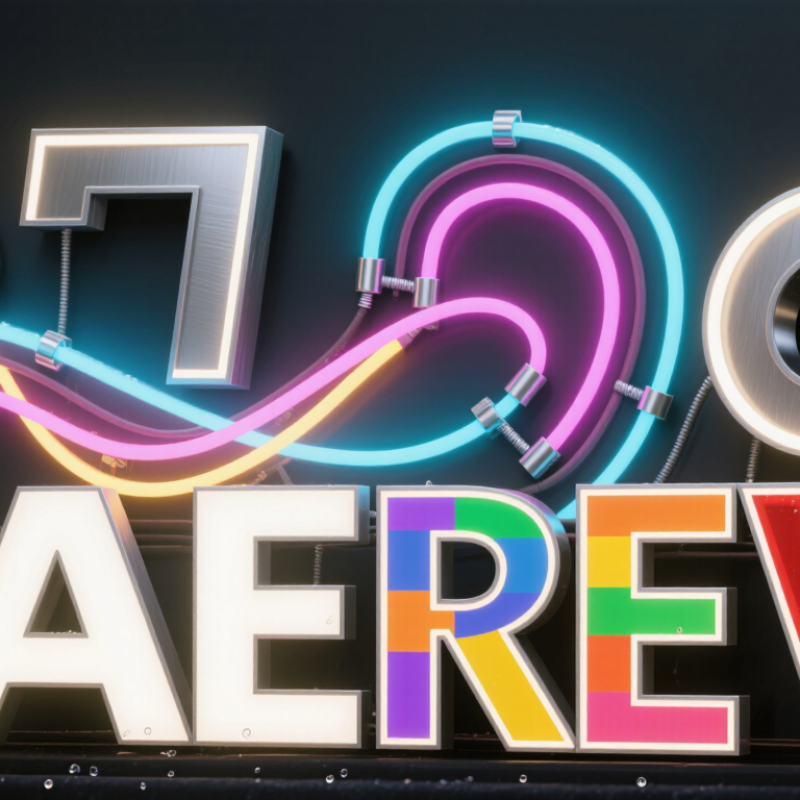
Luminous giant letters are oversized sign characters with built-in lighting. They appear on building façades, reception walls, event stages, and retail entrances. Each letter usually contains a metal or acrylic body, internal LEDs, wiring, and a mounting system. Their large scale improves visibility from a distance, even during busy evening hours.
The working principle is straightforward. Low-voltage LED modules sit behind a translucent face or inside the letter cavity. When powered, they spread light across the front surface. Face-lit letters create a bright, direct message. Halo-lit letters send light toward the wall, producing a softer outline. Some designs combine both effects. A power supply converts incoming electricity to the required voltage, while ventilation helps control internal heat.
In practical installations, alignment matters as much as brightness. A single uneven letter can weaken the entire sign. Experienced installers check wall strength, cable routes, drainage, and viewing distance before fixing each character. Weather-resistant materials are essential outdoors, but “weatherproof” should not be accepted without a clear rating and test record. That detail is often overlooked. LED systems generally reduce maintenance, although damaged modules, loose connections, or moisture can still cause failures. Buyers should request lighting samples at night, not only daytime photographs. Color may look warmer or harsher in person. This is where specifications alone can mislead.
| Luminous Letter Type | How It Works | Typical Materials | Lighting Effect | Common Depth | Typical Applications | Main Advantages | Key Buying Considerations |
|---|---|---|---|---|---|---|---|
| Front-Lit Channel Letters | LED modules are installed inside individual letter returns and illuminate the translucent face toward the viewer. | Aluminum returns, acrylic or polycarbonate faces, LED modules, internal wiring. | Bright, direct face illumination with high daytime visibility. | Approximately 75–200 mm, depending on letter size and viewing distance. | Retail façades, shopping centers, hotels, office buildings, and transport facilities. | Strong visibility, flexible colors, scalable construction, and efficient LED operation. | Face material, brightness uniformity, drainage, mounting method, and local electrical regulations. |
| Halo-Lit or Reverse-Lit Letters | LEDs direct light onto the wall behind opaque letters, creating a glow around the letter edges. | Stainless steel, aluminum, acrylic, painted metal, LED modules, spacers. | Soft halo or shadow effect; the letter face itself remains mostly opaque. | Approximately 50–150 mm, plus a wall stand-off distance of about 25–100 mm. | Premium façades, corporate entrances, hospitality venues, galleries, and residential developments. | Elegant appearance, reduced glare, durable metal faces, and strong nighttime atmosphere. | Wall color and texture, stand-off distance, letter alignment, and required halo uniformity. |
| Front-and-Halo-Lit Letters | Separate LED systems illuminate both the translucent front face and the rear wall area. | Aluminum or stainless-steel bodies, acrylic faces, LED modules, rear spacers. | Combined direct illumination and surrounding back glow. | Approximately 100–220 mm. | Large commercial buildings, entertainment venues, airports, casinos, and landmark signage. | High visual impact, excellent long-distance recognition, and strong day-to-night performance. | Higher power demand, more complex wiring, heat management, and installation access. |
| Edge-Lit Acrylic Letters | LEDs inject light into the edge of clear or frosted acrylic, allowing the material to distribute light across its surface. | Clear or frosted acrylic, laser-cut panels, aluminum frames, LED strips or modules. | Thin, crisp, contemporary illumination with illuminated edges or engraved details. | Approximately 10–40 mm. | Interior reception areas, retail displays, exhibitions, restaurants, and wayfinding systems. | Lightweight construction, modern appearance, compact profile, and detailed graphics. | Acrylic thickness, edge finishing, LED spacing, protection from impact, and indoor or outdoor rating. |
| Exposed-LED or Pixel Letters | Individual LEDs remain visible on the face or within perforated letter bodies and emit light directly outward. | Aluminum or steel frames, LED pixels or bulbs, protective lenses, internal power cables. | Distinctive dot, bulb, chasing, color-changing, or animated effects. | Approximately 100–300 mm. | Theaters, event stages, amusement venues, nightlife locations, and promotional installations. | High attention value, programmable effects, and strong decorative character. | Controller compatibility, pixel spacing, replacement access, animation rules, and nighttime brightness. |
| Flexible LED Neon Letters | Flexible LED strips enclosed in silicone or polymer jackets reproduce the continuous appearance of traditional neon tubing. | Silicone neon tubing, aluminum backing, LED strips, power supplies, mounting clips. | Continuous line illumination with bright, smooth curves and selectable colors. | Usually 15–30 mm for the illuminated tube, excluding the backing. | Restaurants, bars, entertainment spaces, retail interiors, events, and decorative façades. | Lower breakage risk than glass neon, flexible shapes, low-voltage operation, and easy color selection. | Bending radius, UV resistance, waterproofing, power-supply capacity, and heat dissipation. |
| 3D LED Light-Box Letters | LED modules illuminate a deeper enclosed volume behind a translucent face or fabric surface. | Aluminum frames, acrylic or polycarbonate faces, tensioned fabric, LED modules. | Large-area, evenly diffused illumination suitable for oversized lettering. | Approximately 150–500 mm or more for very large installations. | Shopping centers, stadiums, trade shows, airports, public spaces, and large outdoor signs. | Suitable for giant dimensions, good light diffusion, and replaceable internal components. | Structural loading, wind exposure, access for maintenance, diffuser quality, and transport logistics. |