Empowering Engineering Excellence: Innovate, Elevate, Deliver.

2026 Best Water Drilling Rig for Sale Guide

A water drilling rig is not just a machine beside a dusty access road. It is a system matched to geology, required depth, water demand, and the crew’s practical limits. Choose poorly, and a capable-looking rig may struggle with hard rock, oversized casing, or a remote worksite. Choose carefully, and each component—from the mast and rotary head to the mud pump or air compressor—supports steady, measurable progress.

The need is substantial. UNESCO’s 2022 United Nations World Water Development Report describes groundwater as 99 percent of Earth’s liquid freshwater and a major source for households and irrigation. The WHO/UNICEF Joint Monitoring Programme reported that 2.2 billion people lacked safely managed drinking water in 2022. These figures explain why reliable well construction matters; they do not mean every location needs the same rig. Real sites differ. Local hydrogeology, target depth, bore diameter, mobility, maintenance access, and available drilling methods all shape a sound purchase.

As groundwater scientist John Cherry has put it, “Groundwater is the world’s most extracted raw material.” The scale is easy to overlook. A buyer can overlook details, too. This 2026 Best Water Drilling Rig for Sale Guide compares key specifications and practical trade-offs, including rotary and DTH configurations, power requirements, transport dimensions, and after-sales support. It also asks a less comfortable question: is the quoted capacity proven under comparable ground conditions, or only on paper? That distinction deserves a close look.
2026 Best Water Drilling Rig for Sale Guide

Water Drilling Rigs: Purpose, Main Components, and Operating Principles

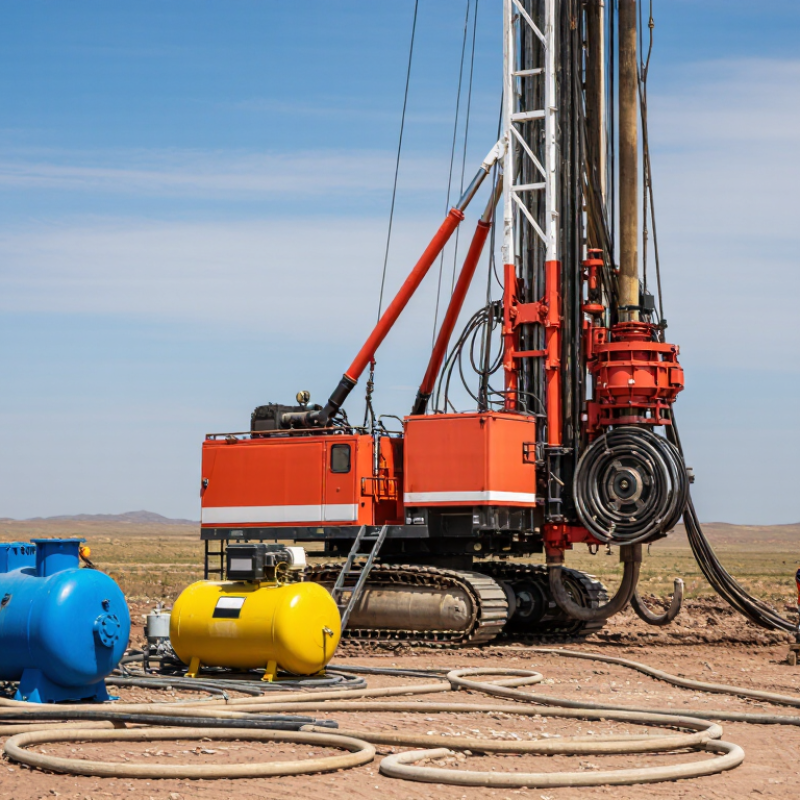
A water drilling rig creates a borehole for groundwater investigation or supply. Its purpose is practical: reach a water-bearing formation while keeping the hole stable and removing cuttings. The mast supports the drill string, while the rotary head turns the bit. A pump or compressor moves drilling fluid or air through the system. Small details matter. Fluid circulation cools the bit and carries rock fragments back to the surface; casing helps prevent loose ground from collapsing into the borehole.

Rotary rigs cut formations with a turning bit, while down-the-hole systems use a pneumatic hammer near the bit. The method depends on geology, required depth, access, and water-table conditions. UNESCO’s 2022 World Water Development Report states that groundwater represents 99% of Earth’s liquid freshwater. That makes careful well construction important, not automatic. A rig’s control panel may show pressure and rotation, but the cuttings and changing ground conditions still need attention.

USGS Circular 1441, Estimated Use of Water in the United States in 2015, reported groundwater withdrawals of 82.3 billion gallons per day, about 25% of total U.S. withdrawals. This scale helps explain why reliable drilling matters. Operators monitor torque, circulation, and borehole stability, then record changes in the drilling log. A specification sheet cannot predict every layer underground. That limitation deserves a little humility.

Types of Water Drilling Rigs and Their Typical Applications

2026 Best Water Drilling Rig for Sale Guide
Types of Water Drilling Rigs and Their Typical Applications

Rotary rigs are common choices for water wells in varied ground. A rotating bit cuts the formation while drilling fluid carries loose material upward. They can handle many soil and rock conditions, depending on the rig’s power and drilling setup. Mud rotary is often used in softer formations, where circulation helps support the borehole. Check the pump, swivel, and fluid system, not just the listed drilling depth.

For hard, fractured rock, a down-the-hole hammer rig uses compressed air to drive a hammer near the bit. It can drill efficiently through tough formations, though compressor capacity and air supply matter. Cable-tool rigs lift and drop a heavy bit. They work slowly but can suit some formations where careful, controlled drilling is preferred. Slow work.

Auger rigs are generally better for shallow holes in soft, relatively stable ground than for deep water wells. The formation decides. A depth rating alone is a poor buying guide: two sites with equal target depths may need different drilling methods. Compare the expected geology, access roads, water availability, and casing requirements. Inspect mast condition and hydraulic hoses in person where possible. A neat specification sheet can still leave important questions unanswered.

2026 Best Water Drilling Rig for Sale Guide: Types and Typical Applications

Indicative drilling-depth ranges by rig type. Actual depth and suitability depend on geology, groundwater conditions, borehole design, and equipment configuration.

Typical applications: Hand augers suit shallow investigations in soft ground; cable-tool rigs are used in varied formations, including unconsolidated materials; mud rotary rigs commonly drill unconsolidated formations and softer rock; air rotary rigs work well in consolidated formations; and down-the-hole (DTH) rigs are often selected for hard rock and fractured-rock aquifers. The ranges shown are general guides, not guaranteed equipment limits.

Key Specifications for Comparing Rigs for Sale in 2026

A water drilling rig’s specifications should match the ground, borehole, and daily workload—not just the deepest number in a sales listing. Check rated drilling depth alongside the stated diameter, drilling method, and ground conditions. A depth rating for a narrow borehole may not apply to a wider one or difficult formations. Match the rig’s capacity to your actual project requirements.

Small differences matter.

Compare rotary torque, speed range, feed force, and mast stroke. Higher torque can help in resistant ground, but it does not guarantee faster work. Review whether the rig supports the drilling method you need, and ask what tooling is included. Check the compressor or mud-pump capacity against the planned hole size and depth. Paper figures vary.

Power source, fuel use, transport dimensions, and setup time affect operating costs. Confirm the rig’s weight and footprint against your access roads and worksite space. Ask for maintenance intervals, service records, and clear explanations of rated performance. A neat spec sheet can still mislead. Request test data under comparable conditions, then compare the assumptions behind each figure.

How to Choose a Rig for Your Site, Water Depth, and Ground Conditions

A water drilling rig should match the well you need to build, not just the deepest depth in its sales description. Start with local well records, a site survey, and the planned bore diameter. Check the rig’s rated depth under realistic conditions, since larger holes and heavier casing can reduce practical capacity. Depth matters. A rig that barely meets the target may leave little room for difficult layers or changes in the well design.

Ground conditions shape the equipment choice. Loose sand may need careful casing or drilling fluid to keep the bore open, while hard rock can require a suitable rotary system and enough torque. Ask what drilling method the rig supports, and confirm that its pump or compressor fits that method. Wet clay can cling to tools. Fractured rock can slow progress. A neat-looking geology report is still an estimate, so leave some operating margin.

Consider access before comparing price. Measure gates, overhead clearance, turning space, and the ground bearing capacity where the rig will sit. A compact rig may reach a confined site but drill slowly in tough formations; a larger unit may be difficult to transport or position. Check service access, spare-part availability, and operator training requirements. These details seem mundane. They often decide whether the rig works smoothly on your site.

Costs, Inspection Checks, and Ownership Considerations Before Purchase

A drilling rig’s asking price tells only part of the story. Compare it with age, drilling hours, included tooling, and recent repairs. Costs vary widely by depth capacity, ground conditions, and whether the rig is new or refurbished. Request itemized quotes for transport, setup, and essential accessories. Hidden costs add up.

Inspect the mast, welds, hoses, and hydraulic cylinders for cracks, fresh paint, or oil seepage. Small leaks matter. Check the engine under load, not only at idle, and listen for uneven knocking or excessive smoke. Ask to see maintenance records, operating manuals, and proof that safety controls function. Then test it. If possible, observe a short drilling demonstration in similar ground. A clean exterior is not proof of sound internals.

Ownership costs continue after delivery. Budget for fuel, drill rods, bits, filters, routine servicing, storage, and trained operators. Confirm that replacement parts and qualified service are realistically available in your area. Ask how quickly common wear items can be sourced. A cheaper rig can become expensive when work stops for repairs. I would also keep a contingency fund; estimates often miss small but repeated expenses. Match the machine to planned hole diameters and depths, rather than buying excess capacity that sits unused.

Download
Brochure