2026 Top Battery Storage Systems for Global Buyers
Choosing a Battery Storage System in 2026 requires more than comparing advertised capacity.
Global buyers now examine chemistry, usable energy, round-trip efficiency, thermal management, warranty terms, and service support. A cabinet promising 500 kWh may deliver less after reserve settings and conversion losses. That difference matters during a cloudy afternoon or a sudden grid interruption.
Dr. Imre Gyuk, a leading U.S. Department of Energy energy-storage expert, has said, “Energy storage is the key to unlocking the full potential of renewable energy.” His point remains practical. Solar panels generate power when sunlight is available. Storage must respond when demand arrives later.
This guide introduces leading systems for commercial, industrial, utility, and remote applications. It considers lithium iron phosphate safety profiles, modular expansion, fire protection, monitoring software, and operating temperatures. It also reviews how suppliers handle commissioning, replacement parts, and long-term technical support.
The best choice is rarely the largest battery. Sometimes, it is the system with clearer data and stronger local support.
Buyers should compare real project conditions, not only laboratory specifications. A hot coastal site may need different cooling than a dry inland facility. A remote installation may value repair access more than peak power.
No ranking can fit every market. That is the uncomfortable part. Prices change, regulations evolve, and performance depends on installation quality. This overview therefore treats each system as a practical shortlist, not a permanent verdict.
What Battery Storage Systems Are and How They Work
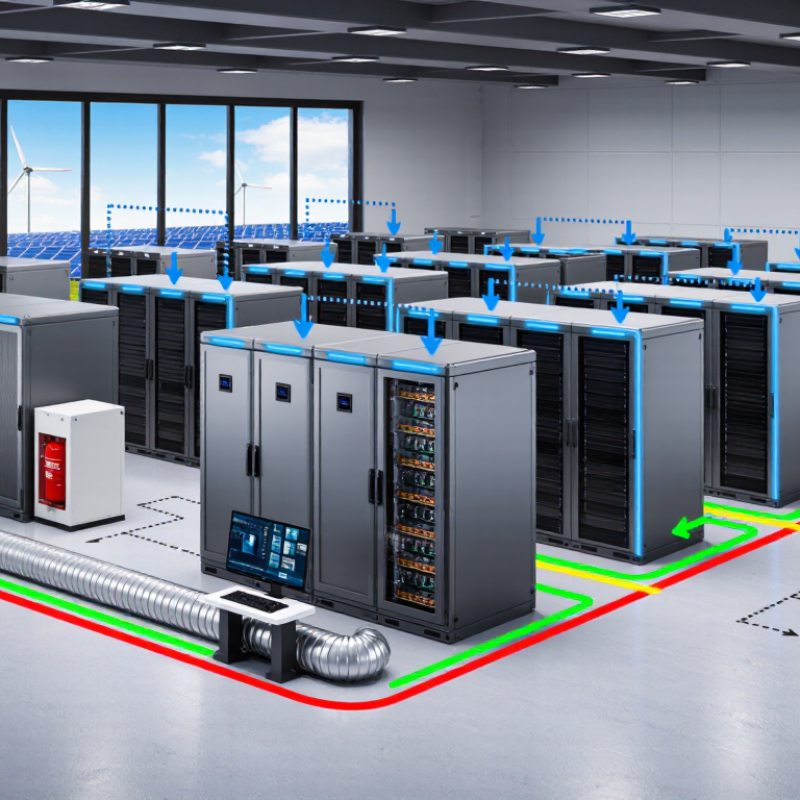
A battery storage system captures electricity for use at a later time. It usually contains battery cells, a Battery Management System, an inverter, cooling equipment, and protective controls. The cells store energy chemically during charging. During discharge, they release direct current, which the inverter converts into usable alternating current.
The process begins when solar panels or the grid supplies electricity. The management system checks voltage, temperature, and cell balance continuously. It can slow or stop charging when conditions become unsafe. An energy management controller then decides when to charge, discharge, or remain idle. For example, a home may store excess afternoon solar power and use it after sunset. A commercial site may discharge batteries during expensive demand periods.
System performance depends on more than battery capacity. Installers examine load patterns, climate, ventilation, cable distance, and available space. High temperatures can accelerate degradation, while poor sizing may leave valuable energy unused. Round-trip efficiency also matters because some electricity becomes heat during conversion. Real projects rarely match perfect laboratory figures. Forecasts can be wrong, and battery aging is not completely predictable. Regular monitoring helps identify unusual temperature changes, declining capacity, or control errors before they become serious. Qualified professionals should verify installation, grounding, fire protection, and local electrical requirements.
2026 Top Battery Storage Systems for Global Buyers
What Battery Storage Systems Are and How They Work
Battery energy storage systems store electricity in rechargeable cells and release it when power is needed. The comparison shows representative commercial ranges for round-trip efficiency and service life across widely used battery chemistries. Actual performance depends on temperature, operating depth, charging rate, system design, and maintenance.
Key Battery Storage Technologies Available in 2026
Battery storage choices in 2026 depend on climate, cycling needs, space, and project budget. Lithium iron phosphate systems remain widely selected for daily solar storage. They offer strong thermal stability and long cycle life. They tolerate frequent charging and discharging. Nickel manganese cobalt batteries provide higher energy density for compact installations. However, their thermal management requirements demand careful engineering and regular monitoring.
Sodium-ion systems are gaining attention among global buyers. They use more accessible raw materials and can perform reliably in lower temperatures. Their energy density is still developing.
Flow batteries store energy in liquid electrolytes and suit long-duration applications. Their design supports many deep cycles with limited degradation. They need larger sites, pumps, and more complex maintenance. Solid-state batteries remain promising, but commercial readiness varies.
No chemistry wins everywhere. Buyers should match the battery with actual load profiles, not attractive brochure figures. Check round-trip efficiency, usable capacity, cycle warranties, response time, and replacement plans. Ask for measured performance at the intended temperature range. Site conditions matter. An installation near a dusty coastal area needs stronger enclosures and corrosion controls. A remote project needs remote diagnostics and easily available service parts. Safety documentation should cover thermal events, fire separation, emergency access, and local grid requirements. One weakness remains. Forecasts can overstate future cost reductions. Conservative financial models usually protect buyers better.
How to Compare Capacity, Efficiency, Safety, and Lifespan
For global buyers, battery capacity is only the starting point. Compare rated capacity with usable capacity after reserve limits and conversion losses. A 10 kWh system may deliver only 8 kWh during normal operation. That difference matters. Match daily energy demand, peak loads, and backup duration rather than choosing the largest number. A household using 12 kWh each evening needs a different design from a workshop running motors at sunrise.
Efficiency needs careful measurement. Ask for round-trip efficiency under realistic temperatures, not only laboratory conditions. Charging at 25°C can produce different results from operation below freezing or above 40°C. Check inverter performance, standby consumption, and the system’s continuous output. Numbers can deceive. A high efficiency figure is less useful if the battery cannot support a refrigerator, pump, or compressor during a surge. Independent test data and clear operating assumptions improve comparison quality.
Safety is layered. Look for cell monitoring, temperature sensors, fault isolation, secure enclosures, and documented installation procedures. Confirm protection against water, dust, overheating, and unauthorized access. Lifespan should include cycle count, calendar aging, depth of discharge, and expected annual throughput. A battery used lightly may age differently from one charged and discharged twice daily. Warranty language deserves close reading, especially capacity retention and service conditions. Some comparisons remain imperfect because climate, installation quality, and user habits vary. That uncertainty should be recorded, not hidden.
Leading Battery Storage System Types for Global Buyers
For global buyers, lithium iron phosphate systems remain a practical choice for daily solar storage. Their stable chemistry supports frequent cycling and strong thermal performance. They suit homes, commercial buildings, and small microgrids. However, usable capacity falls in cold conditions. A heated enclosure may be necessary.
Nickel manganese cobalt systems provide high energy density in limited spaces. They can fit electric mobility hubs or urban facilities with tight footprints. Their thermal management demands careful engineering and regular inspection. Flow battery systems serve longer-duration projects, often beyond four hours. Separate power and energy sizing offers flexibility. Yet, pumps, tanks, and installation space increase project complexity.
Sodium-ion systems are gaining attention for cost-sensitive markets and colder regions. Their energy density is lower than many lithium alternatives. Lead-acid systems still support backup applications where budgets are strict and cycling is limited. They require ventilation, heavier structures, and more frequent replacement. Not every low-price quote is economical.
Buyers should compare round-trip efficiency, warranty conditions, depth of discharge, fire protection, and replacement access. Ask for tested performance data, not only brochure figures. Local grid rules, climate, transport limits, and installer competence can change the best choice. A containerized system may simplify deployment, but it can create difficult lifting and service requirements. I would not select a chemistry before reviewing the load profile. That mistake happens often. Test the assumptions.
Installation, Maintenance, Costs, and Global Market Considerations
For global buyers, battery storage selection begins with the installation site, not the product brochure. Measure the room. Check temperature, humidity, fire separation, floor loading, and access for replacement work. A qualified electrical contractor should confirm voltage, protection devices, grounding, and grid connection requirements. Outdoor cabinets need shade, drainage, and corrosion control, especially near coastlines or dusty industrial areas.
Maintenance planning should include monthly remote reviews and scheduled physical inspections. Technicians can check terminal torque, cooling paths, alarms, enclosure seals, and battery temperature records. Keep records. A clear degradation curve and usable capacity test are more valuable than optimistic marketing claims. Firmware updates require controlled procedures, because an interrupted update may affect system availability. Even careful forecasts can miss local dust, heat, or unstable grid conditions.
Costs extend beyond battery modules. Buyers should calculate inverters, mounting, transport, import charges, permits, commissioning, monitoring, insurance, and eventual recycling. For a 100 kWh system, installation complexity can change the final budget sharply. Currency movements and regional labor rates also matter. Warranty terms should identify response times, performance thresholds, replacement duties, and service locations. Market rules differ widely, so confirm interconnection approval before ordering equipment. A cheaper system may become expensive when spare parts take months to arrive. That lesson is easy to ignore.